
You’re halfway up a mountain trail when the sky darkens. A cold wind cuts through your cotton shirt, now soaked with sweat. You shiver, slow down, and suddenly, the hike feels like a struggle. This scenario is all too common—and completely avoidable. The key? Smart hiking clothing choices. Unlike everyday wear, hiking apparel is a performance system designed to manage moisture, regulate temperature, and protect you from the elements. With the right layers and fabrics, you can stay comfortable, safe, and energized no matter the weather or terrain.
This guide delivers actionable hiking clothing tips backed by fabric science, real-world testing, and expert insights. You’ll learn why cotton is a hazard, how to layer effectively, what gear works best by season, and how to avoid blisters, chills, and overheating. Whether you’re tackling a day hike or planning a multi-day trek, these strategies will help you build a reliable, adaptable clothing system—without overspending.
Ditch Cotton for Performance Fabrics
Cotton feels soft and familiar, but it’s one of the worst materials for hiking. When it absorbs sweat, it holds onto moisture—up to 27 times its weight—drying slowly and losing insulation. In cold conditions, this creates a dangerous setup for hypothermia. Even in heat, wet cotton increases friction, raising your risk of chafing and blisters.
Why Merino Wool Wins
Merino wool is a top-tier base layer fabric because it wicks moisture, resists odor, and regulates temperature. Unlike traditional wool, modern merino is soft and non-itchy thanks to fine-gauge fibers. It continues to insulate even when damp, making it ideal for long hikes or backpacking trips where washing isn’t an option.
- Best for: Base layers, socks, multi-day trips
- Top picks: Icebreaker BodyFit, SmartWool Merino 150
- Pro tip: Merino lasts longer if washed in cold water with mild detergent
Synthetic Fabrics: Lightweight & Fast-Drying
Polyester and nylon dry quickly, wick sweat efficiently, and are more durable than wool. They’re ideal for high-output activities like trail running or fast-paced hikes. However, they tend to hold onto body odor over time, so frequent washing is necessary.
- Best for: Hot weather, budget-friendly kits, high-exertion trails
- Top picks: Patagonia Capilene, Under Armour Tech
- Avoid: Blends with cotton—even 5% reduces performance
Alpaca & Silk: Niche But Effective
Alpaca fiber is emerging as a high-performance alternative. Its hollow fibers offer superior insulation with minimal weight and absorb only 8% moisture—less than merino. It’s naturally odor-resistant and gentle on sensitive skin.
Silk is ultra-light and smooth, reducing chafing. It’s rarely used but favored by some for sensitive skin or as a liner in extreme cold. Downsides: expensive and less durable.
Clothing Hack: Layer a silk or merino liner under a synthetic top for maximum moisture control in variable conditions.
Master the 3-Layer System

Layering isn’t just about staying warm—it’s about dynamic thermoregulation. As your activity level or the weather changes, you add or remove layers to stay dry and comfortable. The three-layer system is the gold standard:
- Base layer: Manages moisture
- Mid layer: Provides insulation
- Outer layer: Shields from weather
This modular approach prevents overheating during climbs and keeps you warm during rest breaks.
Base Layer: Your First Line of Defense
Your base layer sits next to the skin and determines how well you stay dry. Choose fitted, not tight, to allow wicking without restricting movement.
Tops
- Lightweight (100–150g/m²): For warm or high-exertion hikes
- Midweight (200–250g/m²): Cold weather or low-output trails
- Features to look for: Flatlock seams (no chafing), zip neck (ventilation), UPF protection
Bottoms
- Opt for merino or synthetic tights in cold weather
- Wind-panel versions (like Smartwool Active Fleece Wind Tights) add protection without bulk
- Side zippers make it easy to put on over boots
Underwear & Socks
- Never wear cotton underwear—it traps moisture and causes chafing
- Seamless designs (e.g., ExOfficio Give-N-Go) reduce friction
- Socks are critical: Use merino or synthetic blends only
- Thin: Hot weather
- Medium: All-season
- Thick: Winter or overnight trips
- Tall socks prevent boot rub
- Toe socks (Injinji) stop toe blisters
Pro Tip: Pack a dry pair of sleep socks in your backpack—putting on clean, dry feet at camp boosts comfort and recovery.
Build Smart Mid Layers for Warmth
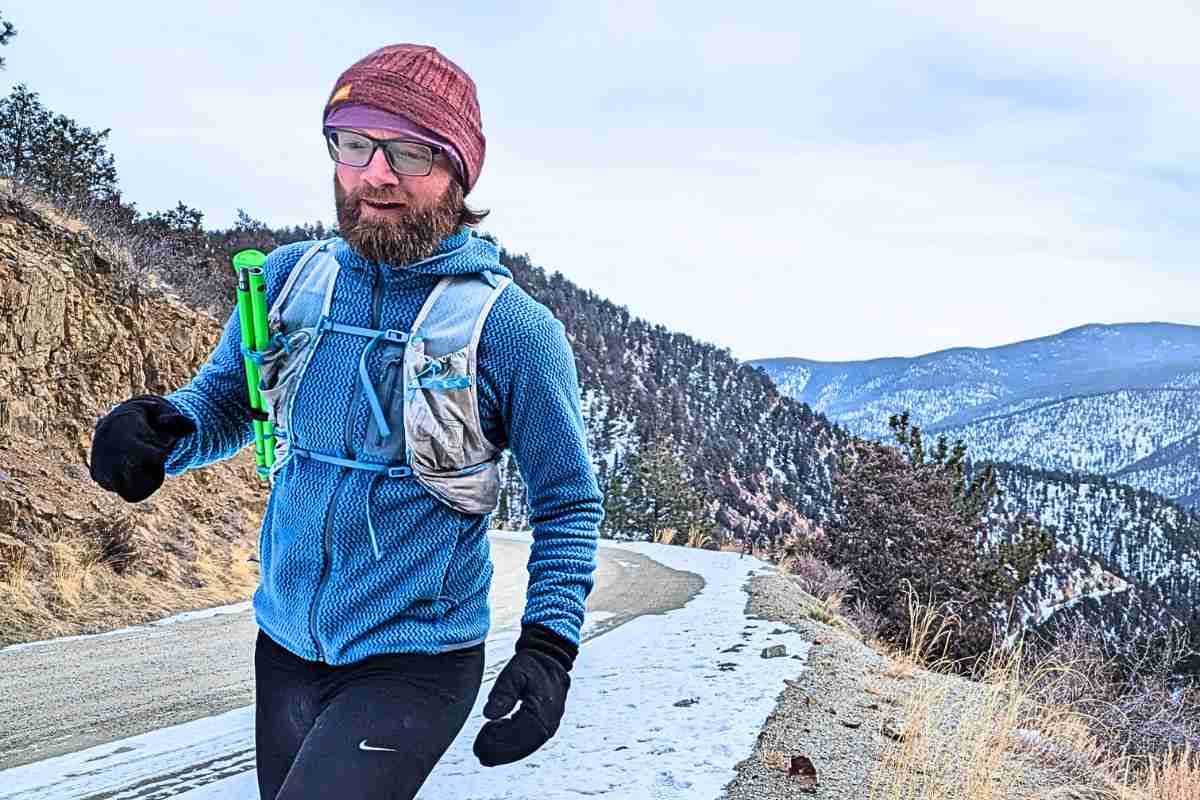
Your mid layer traps heat. It should be breathable and easy to stash in your pack or hipbelt pocket.
Fleece Jackets: Breathable & Reliable
Fleece is a hiker favorite because it breathes well, dries fast, and retains warmth even when damp. It’s ideal for moderate cold or active use.
- Best models: Patagonia R1 Air, REI Co-op Cirrus
- Ventilation: Look for zippered chest or pit zips
- Weight options: 100 (light), 200 (mid), 300 (heavy)
Puffy Jackets: Maximum Warmth, Minimal Weight
Down and synthetic insulated jackets deliver high warmth-to-weight ratios.
- Down: Lighter and more compressible, but loses insulation when wet
- Choose water-resistant down (e.g., Nikwax-treated) for better performance in damp conditions
- Example: Mountain Hardwear Ghost Whisperer
- Synthetic: Heavier but works when wet, more durable
- Example: RAB Xenon X
Critical Rule: Never sweat in your puffy. Keep it dry and use it only during rest, summits, or cold descents.
Soft-Shell Jackets: Wind Protection Meets Mobility
Soft-shells offer wind resistance, breathability, and light water repellency. They’re perfect for dry, windy days or rugged terrain where you need flexibility.
- Best for: Spring/fall hikes, ridgeline travel
- Top pick: Rab Borealis
- Avoid in heavy rain—they’re not fully waterproof
Choose the Right Outer Layer
Your outer layer is your shield. It must be waterproof, windproof, and breathable to keep you dry from both rain and sweat.
Rain Jackets That Perform
Look for:
– Fully taped seams (no leaks)
– Helmet-compatible hood
– Pit zips for ventilation
– Adjustable hem and cuffs
– Room to fit over mid layers
Top Picks
- Zpacks Vertice: Ultralight, Dyneema fabric
- Outdoor Research Helium 2: Lightweight, highly breathable
- Arc’teryx Beta LT: Durable, Gore-Tex Pro
Warning: Cheap rain jackets (e.g., Frogg Toggs) often fail on breathability, leading to internal condensation. Invest in quality if you hike in wet climates.
Rain Pants: Don’t Skip Them
In heavy rain or snow, rain pants are essential. Full side zips let you put them on without removing boots.
- Breathable models reduce sweat buildup
- Can double as wind pants in cold, dry weather
- Store in an external pack pocket for quick access
Windbreakers: Lightweight Defense
Not waterproof, but excellent for blocking wind while allowing vapor to escape.
- Best for: Early mornings, exposed ridges, dry cold
- Top pick: Patagonia Houdini (3.8 oz, packable)
Ponchos: A Lightweight Alternative
Ultralight and roomy, ponchos cover you and your pack. They’re great for ventilation but flap in wind and offer less protection.
- Bonus: Can be used as a groundsheet or emergency shelter
- Example: Six Moon Designs Gatewood Cape
Pick the Right Footwear & Lower Body Gear
Your feet carry you—protect them with smart clothing and gear choices.
Trail Runners vs. Hiking Boots

| Type | Best For | When to Choose |
|---|---|---|
| Trail Runners | Light packs, dry trails, speed | Fast hikes, well-maintained paths |
| Hiking Shoes | Day hikes, moderate terrain | Balanced support and weight |
| Hiking Boots | Heavy loads, rough terrain, snow | Backpacking, off-trail, winter |
Myth: “Boots prevent ankle injuries.” False. Studies show no difference in injury rates. Strength, balance, and technique matter more.
Top Models
- Altra Lone Peak: Wide toe box, zero-drop, great for long distances
- Hoka Speedgoat: Cushioned, excellent traction
- Salomon Slab Genesis: Precision on rocky, technical trails
Prevent Blisters Before They Start
Blisters are usually caused by moisture, friction, and poor fit—not just bad shoes.
- Socks are more important than footwear—choose moisture-wicking materials
- Double-layer socks (e.g., Wrightsock) reduce friction
- Fit: Socks should be snug but not tight; boots should allow slight heel lift when descending
- Blister kit must-haves:
- Leukotape (sticks better than moleskin)
- Alcohol wipes
- Needle and thread (for draining)
Pro Move: Apply anti-chafe balm (e.g., Bodyglide) to heels, toes, and ankles before hiking.
Hiking Pants, Shorts & Gaiters
Pants
- Quick-drying, durable, UPF-protected
- Stretch fabric (spandex blend) improves mobility
- Convertible models (zip-off legs) add versatility
- Top picks: Outdoor Research Ferrosi, prAna Zion
Shorts
- 5”–7” inseam prevents thigh chafing
- Deep pockets for phone, snacks, sunscreen
- Nylon or polyester only
- Top picks: REI Sahara Amphib, Vuori Ripstop
Gaiters
- Summer: Keep dirt and rocks out of shoes (e.g., Dirty Girl Gaiters)
- Winter: Waterproof, knee-high for snow (e.g., Hillsound Armadillo LT)
- Attach to boots and pants for full coverage
Protect Head, Hands & Neck
These small areas lose heat fast—equip them properly.
Sun Hats vs. Beanies
- Sun Hat:
- 3+ inch brim for face, neck, and ear protection
- UPF-rated fabric
- Ventilated crown
-
Top picks: Outdoor Research Helios, Columbia Bora Bora
-
Beanie:
- Fleece or merino wool
- Covers ears, retains heat
- Essential in cold weather
-
Top picks: Minus33 Merino Ridge, Zpacks Fleece Beanie
-
Bandana/Headband:
- Soak in water for cooling
- Use as sweatband or neck gaiter
Neck Gaiters (Buff): One Item, 10 Uses
A Buff is a multifunctional tube that works as:
– Neck warmer
– Balaclava
– Headband
– Face mask
– Emergency pot holder
– Water filter (in a pinch)
- Summer: Coolnet UV (lightweight, UV-protective)
- Winter: Merino Midweight (warm, breathable)
Gloves & Mittens: Stay Dextrous & Warm
- Liner Gloves: Thin, wick moisture, wear under shells
- Fleece Gloves: Midweight, breathable, good for moderate cold
- Shell Gloves/Mitts: Waterproof, roomy enough for liners
- Mittens: Warmer than gloves—fingers share heat
- Touchscreen-compatible fingers are a must
Pro Combo: New Balance liner + Outdoor Research Revel Shell Mitts
Adapt Clothing by Season

Your clothing system must evolve with the weather.
Summer Hiking: Beat the Heat
- Base: Lightweight merino or synthetic tee
- Top: Long-sleeve UPF shirt or sun hoodie (better than sunscreen)
- Bottoms: Shorts or lightweight pants
- Footwear: Trail runners
- Accessories:
- Wide-brim sun hat
- Polarized sunglasses
- Neck gaiter (soaked for cooling)
- Bandana for sweat
- Carry: Lightweight rain jacket (storms can roll in fast)
Key Tip: Sun protection through clothing beats sunscreen—it doesn’t wear off or need reapplication.
Spring/Fall: Layer for Change
Temperatures swing—start cool and adjust.
- Base: Merino or synthetic long-sleeve
- Mid Layer: Fleece or lightweight puffy
- Outer: Windbreaker or rain jacket
- Bottoms: Convertible pants or softshell
- Accessories: Beanie, lightweight gloves, neck gaiter
- Footwear: Trail runners or boots with midweight socks
Rule of Thumb: Dress in layers you can easily stash in your pack.
Winter: Stay Dry, Stay Alive
Cold + wet = danger. Follow these rules:
- Base: Midweight merino or alpaca (top and bottom)
- Mid Layer: Fleece or insulated jacket
- Outer: Waterproof shell with pit zips
- Insulated Pants: Down or synthetic (e.g., Primaloft)
- Footwear:
- Insulated, waterproof boots (e.g., Hoka Speedgoat 6 Mid GTX)
- Wool or alpaca socks + liner socks
- Gaiters for snow
- Accessories:
- Beanie, balaclava
- Mittens over liner gloves
- Fleece neck gaiter
- Microspikes for ice
Cold Weather Hack: Dress as if it’s 10°F warmer than it feels. You’ll warm up fast—better to start slightly cold than overheat and sweat.
Must-Have Accessories
These items complete your system.
- Trekking Poles: Reduce knee strain, improve balance
- Sunglasses: Polarized lenses cut glare (e.g., Julbo, Oakley)
- Headlamp: 200+ lumens, rechargeable (e.g., Petzl Neo RL)
- Power Bank: 10,000mAh (e.g., Anker) for GPS or emergencies
- GPS Watch: Track route, elevation, weather (e.g., Coros Vertix)
- Water Filter: Reduce weight (e.g., Sawyer Squeeze)
- Umbrella: Ultralight, great for rain or shade
- First Aid Kit: Include blister care, antiseptic, tape
- Emergency Blanket: Compact, life-saving in storms
Save Money & Hike Sustainably
You don’t need to spend a fortune to hike smart.
Budget-Friendly Gear
- Base Layers: Terramar, Rothco ECWCS
- Rain Jacket: Frogg Toggs (entry-level, less breathable)
- Pants: Wrangler ATG (durable, affordable)
- Jacket: Decathlon Forclaz Trek 100 (down, under $50)
Buy Secondhand
- Check REI Garage, Geartrade, Facebook Marketplace
- Inspect for seam wear, waterproofing, and stains
- High-quality gear often resold after light use
Sustainable Choices
- Buy less, buy better: Invest in durable items
- Repair, don’t replace: Use gear repair kits (e.g., Tenacious Tape)
- Choose eco-materials: Recycled polyester, merino, alpaca
- Use what you have: Gym clothes can work for short, dry hikes
Expert Insight: “You don’t need €1000 in gear to move smart. Half of this setup came from secondhand deals—and I’d trust it over fresh-from-the-shelf kits.” – Seasoned thru-hiker
Final Tips for Trail Success
- Start with essentials: Base layer, mid layer, rain jacket, quality socks, sun hat
- Test before you buy: Try fabrics for comfort and fit
- Pack light, move fast: Streamline your system
- Accept the grime: On long trips, odor is normal—focus on function
- Your system is personal: What works for one hiker may not work for you
- Always carry a shell: Weather changes fast
- Hypothermia risk: Wet + Wind + Cold = Danger. Stay dry and insulated.
Final Note: Hiking clothing isn’t about fashion—it’s a smart, functional system. By choosing the right fabrics, mastering layering, and preparing for surprises, you’ll stay comfortable, safe, and fully present on every trail. Whether you’re hiking in the desert or the alpine, stay dry, stay warm, stay protected—and enjoy every step.