
Every hiker knows the thrill of hitting the trail—fresh air, rugged terrain, and the quiet of the wild. But with every step comes risk. A misstep on a rocky path can mean a sprained ankle. Friction from boots can turn into painful blisters. Insect bites, cuts, allergic reactions, or sudden weather changes can escalate fast—especially when you’re miles from help.
That’s why a hiking first aid kit isn’t just optional—it’s essential. It’s one of the 10 Essentials, a core safety tool that bridges the gap between injury and professional care. Whether you’re on a day hike or a multi-day backpacking trip, your first aid kit could mean the difference between a minor setback and a life-threatening emergency.
This guide delivers a complete, customizable hiking first aid kit list based on terrain, trip length, group needs, and real-world risks. You’ll learn exactly what to pack, how to organize it, and—just as importantly—how to use it. No fluff. No generic advice. Just actionable, expert-backed details to keep you safe and prepared.
Match Your Kit to Hike Duration and Distance
Day Hikes: Light, Compact, and Focused
If you’re out for just a few hours on a well-traveled trail, your kit should be small but effective. Prioritize blister care, wound treatment, and pain relief—the most common issues hikers face.
- Adhesive bandages (assorted sizes)
- Antiseptic wipes
- Gauze pads and medical tape
- Ibuprofen and acetaminophen
- Moleskin or Leukotape for hot spots
- Tweezers for splinters or ticks
- Lip balm with SPF
- Mini flashlight or headlamp
Pack everything in a waterproof dry bag that fits in your hip belt or jacket pocket. You don’t need trauma gear unless you’re in remote terrain.
Overnight and Multi-Day Trips: Expand for Safety
When you’re sleeping in the backcountry, your margin for error shrinks. Add infection control, hydration support, and trauma supplies.
- Antibiotic ointment packets
- Oral rehydration salts (ORS)
- Hydrocortisone cream for rashes
- Elastic wrap (Ace bandage) for sprains
- SAM splint for suspected fractures
- Extra blister care supplies
- Personal medications (2x supply)
Store in a reinforced, labeled pouch with a laminated checklist inside. One person should carry the group kit, but others should have personal add-ons.
Remote or Expedition Hikes: Prepare for the Worst
On off-grid trails or alpine routes, evacuation could take days. Your kit must support life-saving interventions.
- Tourniquet (CAT or SWAT-T)
- Israeli Trauma Dressing
- Hemostatic gauze (QuikClot, Celox)
- Compressed gauze for deep wounds
- CPR face shield
- Emergency medications (epinephrine, aspirin, dexamethasone)
- Wilderness first aid manual
Only carry advanced items if you’re trained to use them. A tourniquet is useless—and dangerous—without proper knowledge.
Core Wound Care: Stop Infections Before They Start

Even a small cut can become infected in the wilderness. Clean, protect, and monitor every wound.
Essential Supplies for Cuts and Scrapes
- Sterile gauze pads (2″x2″ and 4″x4″)
- Non-adherent pads (Telfa) to avoid sticking
- Medical tape (1″ roll, waterproof)
- Antiseptic wipes (BZK or povidone iodine)
- Antibiotic ointment (single-use packets)
- Liquid bandage for small, clean cuts
- 60 cc irrigation syringe to flush debris
Always irrigate a wound with at least 500ml of clean water before dressing. Use a water filter or purification tabs if needed.
Tools You’ll Need
- Trauma shears – cut clothing safely
- Tweezers – remove splinters, ticks, or grit
- Scalpel or safety razor – for trained users to drain abscesses or blisters
Keep tools in a sealed, labeled bag to prevent contamination.
Blister Prevention and Treatment: The #1 Hiker Killer
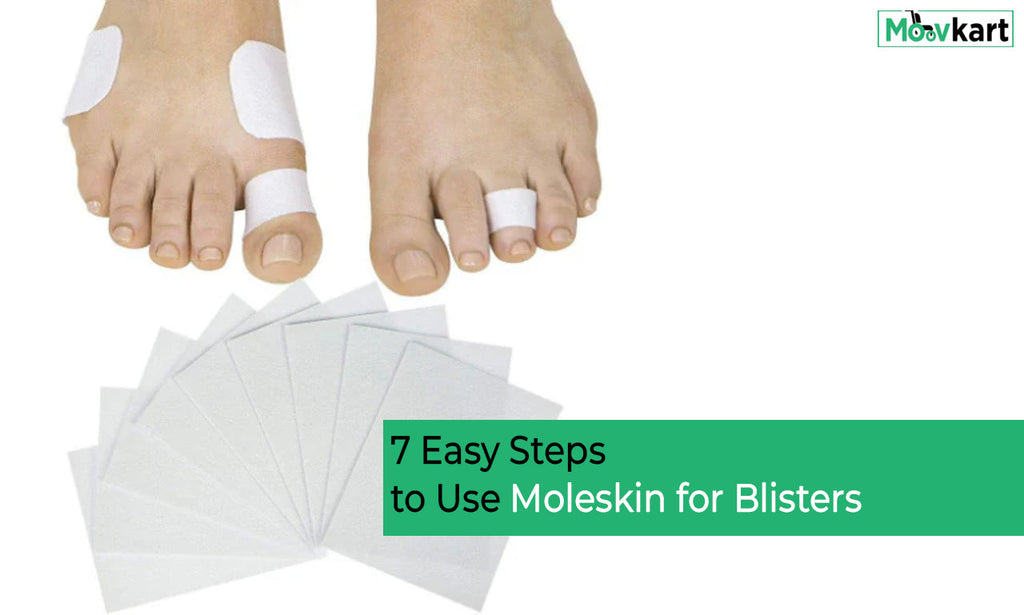
Blisters are the leading cause of trail turnarounds. Prevent them before they start.
Prevent Hot Spots Early
- Moleskin or Leukotape – apply at first sign of friction
- Body Glide or Vaseline – reduce rubbing on heels and toes
- Paper tape – gentle option for sensitive skin
- Pre-tape problem areas before hiking
Pro Tip: Don’t wait for pain. If your boot feels “off,” tape it now.
Treat Active Blisters
- Hydrocolloid dressings (Second Skin, Compeed) – cushion and speed healing
- Sterile 18-gauge needle – drain large, fluid-filled blisters (only if trained)
- Moisture-wicking bandages – keep feet dry
Never remove loose skin—it’s a natural barrier. Cover it with a hydrocolloid patch.
Medications: Be Ready for Common Trail Issues
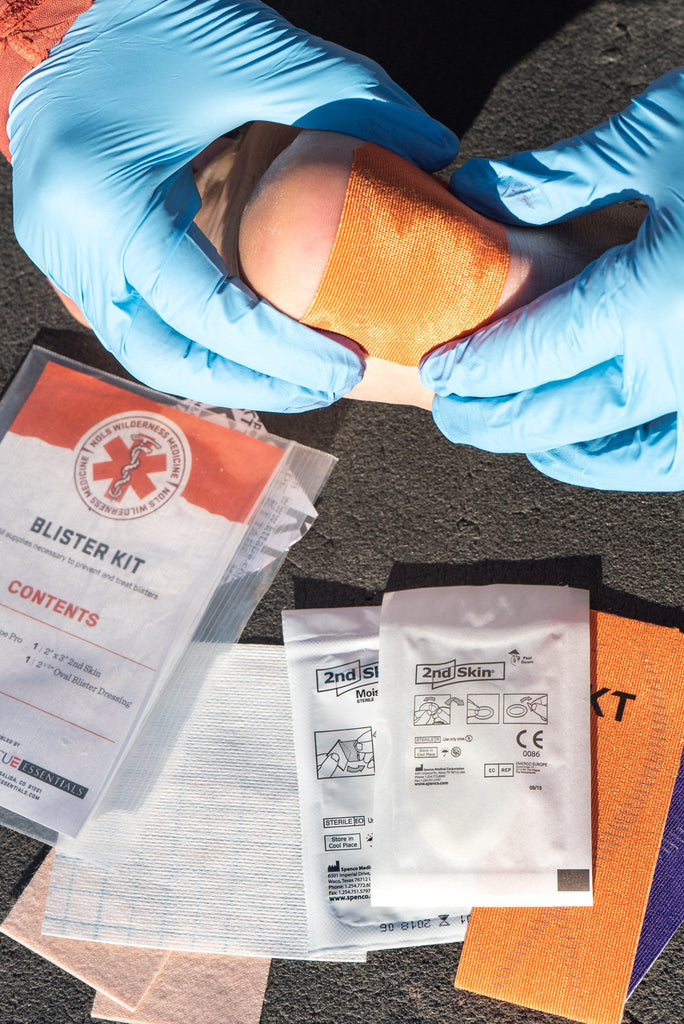
Pack medications in resealable, labeled bags. Use single-dose packets to avoid contamination.
Must-Have OTC Medications
- Ibuprofen – reduces inflammation and pain
- Acetaminophen – for fever or headaches
- Aspirin (325 mg) – chewable for suspected heart attack
- Diphenhydramine (Benadryl) – stops allergic reactions
- Loratadine or Cetirizine – non-drowsy allergy relief
- Loperamide (Imodium) – controls diarrhea
- Oral rehydration salts (DripDrop, Liquid IV) – fight dehydration
Carry two EpiPens if anyone has severe allergies. Store in an insulated case to prevent heat damage.
Personal and Prescription Meds
- Albuterol inhaler – for asthma
- Glucose gel or tablets – for low blood sugar
- Zofran (ondansetron) – prescription anti-nausea
- Antibiotics – as prescribed for UTIs or infections
Label all prescriptions clearly with dosage and instructions.
Trauma and Bleeding Control: Life-Saving Gear
Uncontrolled bleeding can be fatal in minutes. Your kit must be ready.
Stop Severe Bleeding Fast
- Tourniquet (CAT or SWAT-T) – proven to stop limb bleeding
- Israeli Trauma Dressing – combines pressure and bandage
- Hemostatic gauze (QuikClot, Celox) – speeds clotting
- Compressed gauze (4–6 feet) – pack deep wounds
- Kerlix roll – bulky padding for large injuries
Only carry a tourniquet if you’re trained. Practice on a dummy before you need it.
Immobilize Injured Limbs
- SAM splint – moldable for arms or legs
- Finger splints – for broken fingers
- Elastic wrap (Ace bandage) – compression for sprains
- Self-adherent wrap (Coban) – sticks to itself, no clips
- Triangular bandage – convert to a sling
Use trekking poles and duct tape to make an improvised splint.
Skin and Environmental Protection
The outdoors brings bugs, sun, and plants. Pack defenses.
Must-Have Environmental Items
- Sunscreen (SPF 30+) – broad-spectrum, 1 oz
- Lip balm with SPF
- Insect repellent (DEET or picaridin)
- Hydrocortisone cream (1%) – for poison ivy, bites
- Antifungal cream – for athlete’s foot
- Sting relief pads – neutralize venom
- Sunburn gel (aloe or lidocaine)
- Foot powder – reduce moisture
In poison ivy zones, carry IvyX (pre-treatment) and Tecnu (post-exposure wash).
Tools and Multi-Use Gear
Maximize utility. Every item should pull double duty.
- Multi-tool – scissors, tweezers, knife
- Waterproof notepad and pencil – record injury time, vitals
- Sharpie marker – write “TK 14:30” on skin for tourniquet time
- Mini flashlight – examine wounds or signal
- Lighter – sterilize tools or start fire
- Duct tape (pre-wrapped) – treat blisters, repair gear
- Sewing kit – fix torn clothing
Use Nalgene bottles to repackage ointments—leak-proof and durable.
Emergency Survival Additions
Your first aid kit overlaps with survival gear.
- Space blanket – reflects body heat
- Whistle – signal for help
- PLB or Garmin InReach – send SOS with GPS
- Water purification tablets – emergency water source
- Extra wool socks – prevent hypothermia
- Rain poncho – lightweight shelter
- Biodegradable soap – clean hands or wounds
A lightweight tarp doubles as a shelter or litter.
Pet Hiker Additions
Dogs need care too.
- Tick remover (Tick Twister)
- Styptic powder – stop nail bleeds
- Pet-safe antiseptic wipes
- Pre-dosed Benadryl (by weight)
- Emergency dog sling
Never give human meds without vet approval.
Organize and Store for Quick Access
Choose the Right Container
- Waterproof dry bag – bright color
- Resealable plastic box – for car-based kits
- Pouch with clear pockets – easy ID
Organize Smart
- Color-coded bags – red for trauma, green for meds
- Laminated checklist – tape to lid
- Label compartments – “Blisters,” “Medications”
- Two-tier system: day kit + expedition kit
Store in an outer backpack pocket—never buried.
Maintain and Update Regularly
Check every 3–6 months:
– Replace expired meds (especially EpiPens)
– Restock used supplies
– Inspect for moisture
– Update personal meds
Keep a drug log in the kit to track usage.
Customize by Environment
| Environment | Additions |
|---|---|
| Desert | Extra ORS, cactus spine tweezers, sun hat |
| High Altitude | Diamox, dexamethasone, pulse oximeter |
| Cold Weather | Hand warmers, hypothermia thermometer |
| Snake-Prone Areas | Pressure immobilization bandage, snake ID guide |
Myth: Cutting and sucking venom is helpful. False. It causes more damage.
Get Trained—It Saves Lives
Gear means nothing without skills.
Take These Courses
- Wilderness First Aid (WFA) – 16–20 hours
- Wilderness First Responder (WFR) – 70+ hours
- CPR Certification – includes AED use
Learn These Skills
- ABCs (Airway, Breathing, Circulation)
- SAMPLE history
- Splinting
- Allergic reaction management
- Tourniquet use
Download the American Red Cross First Aid App (text “GETFIRST” to 90999) for offline guides.
Final Checklist: Ultimate Hiking First Aid Kit
| Category | Must-Have Items |
|---|---|
| Wound Care | Bandages, gauze, tape, antiseptic, ointment, syringe |
| Blister Care | Moleskin, Leukotape, Second Skin, Body Glide, needle |
| Medications | Ibuprofen, Tylenol, aspirin, Benadryl, Imodium, EpiPen |
| Trauma | Tourniquet, ETD, hemostatic gauze, SAM splint, Coban |
| Tools | Scissors, tweezers, multi-tool, gloves, notepad, pen |
| Environmentals | Sunscreen, lip balm, insect repellent, hydrocortisone |
| Survival | Space blanket, whistle, PLB, water tabs, extra socks |
| Knowledge | First aid manual, SOAP notes, app, CPR card |
A hiking first aid kit is only as good as the person using it. Customize your list, practice the skills, and check your supplies regularly. Whether you’re hiking solo or leading a group, being prepared means you can focus on the journey—not the “what ifs.” Pack smart, stay safe, and hike with confidence.