
You stand at the trailhead ready to hike and stare in disbelief at the price tag. A simple pair of poles costs as much as a weekend grocery bill. You wonder why are trekking poles so expensive when they look like sticks.
The answer lies in advanced materials and precision engineering rather than simple manufacturing. This guide breaks down the cost difference between aluminum and carbon fiber to help you choose the right gear for your budget.
Material Costs Drive Trekking Pole Prices
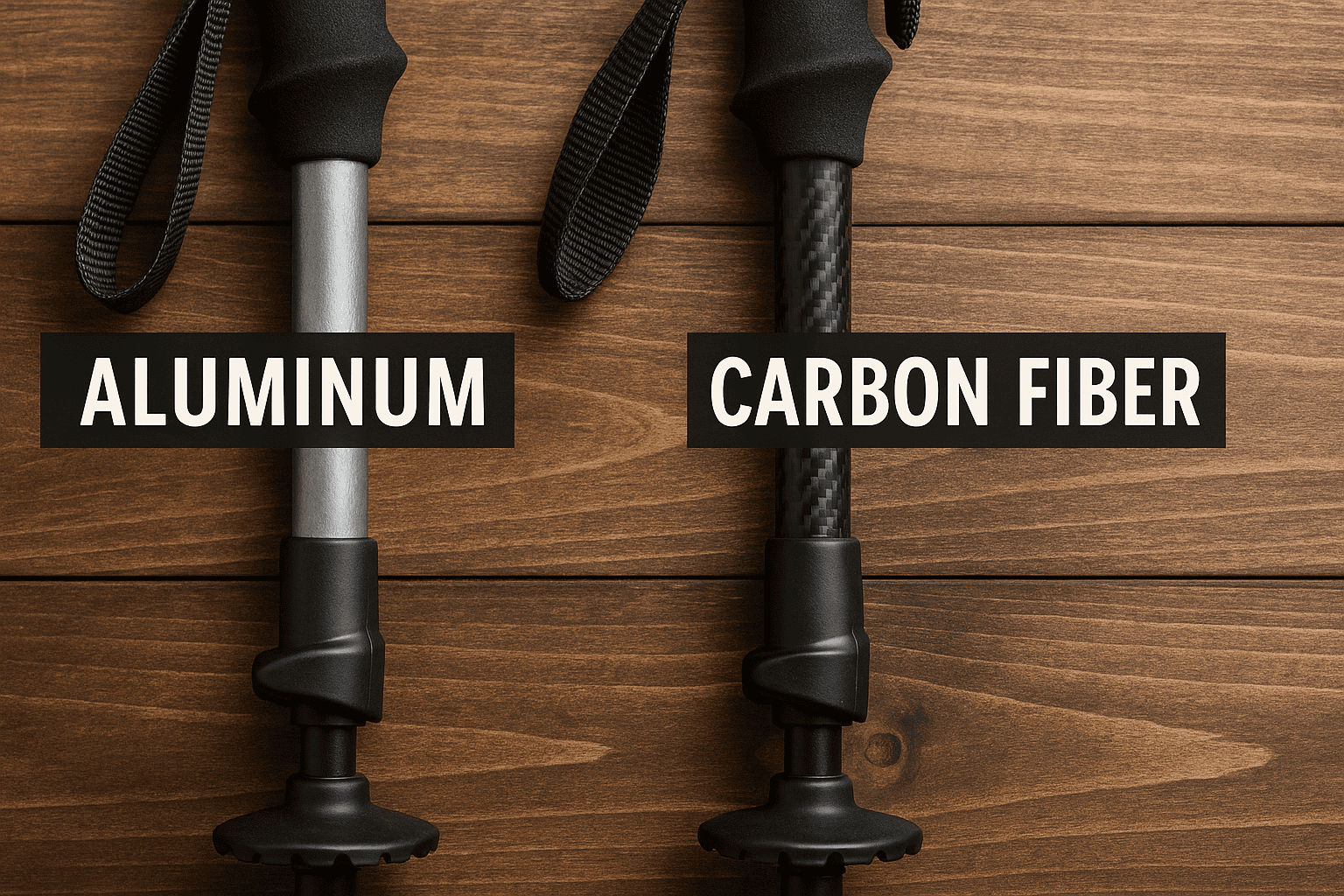
The shaft material accounts for most of the price difference you see on store shelves. Manufacturers choose between aluminum alloys and carbon fiber composites based on weight goals and budget constraints. Your choice here dictates durability and how much your arms tire after miles of hiking.
Aluminum Offers Durability and Value
Aluminum poles dominate the budget and mid-range markets because the raw material is abundant and easy to shape. These poles use aerospace-grade alloys that resist corrosion and withstand significant abuse on rocky trails.
- Cost-effective production: Extruding aluminum into shafts requires less energy than curing carbon fiber.
- Forgiving nature: Aluminum bends under extreme pressure rather than snapping instantly.
- Field repairability: You can often straighten a bent aluminum pole against a rock to finish your hike.
- Weight penalty: These poles typically weigh 10 to 16 ounces per pair which adds up over thousands of steps.
Hikers who bash through brush or cross rocky rivers often prefer aluminum for its ability to survive impacts that would destroy other materials.
Carbon Fiber Demands Premium Pricing
High-end trekking poles utilize carbon fiber to achieve an exceptional strength-to-weight ratio. This composite material is the same technology found in race cars and aircraft but comes with a much higher price tag due to complex manufacturing.
- Ultralight design: Premium carbon poles weigh under 200 grams per pair saving vital energy.
- Vibration dampening: The material naturally absorbs trail shock to reduce fatigue in your hands and shoulders.
- Compact storage: Carbon sections often nest tighter for a smaller packed size ideal for travel.
- Catastrophic failure risk: Unlike aluminum carbon fiber does not bend and will snap if subjected to lateral force.
The high cost reflects the labor-intensive layering process required to create a shaft that is both light and strong enough for hiking.
Engineering Features That Increase Cost
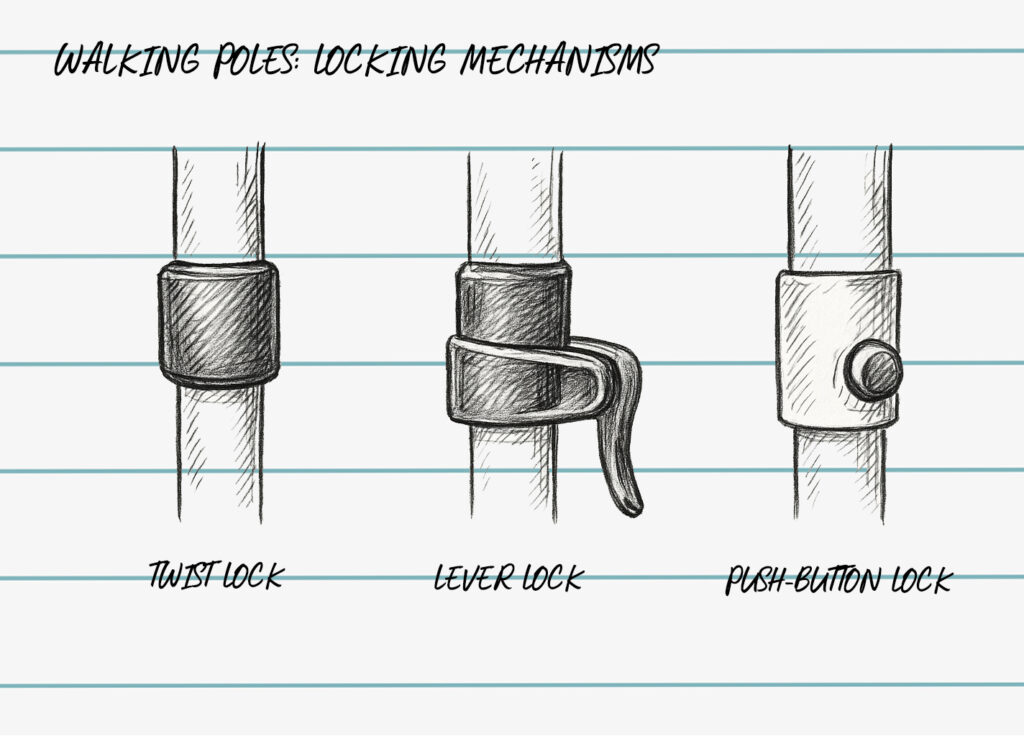
Manufacturers add value through refined components that improve comfort and reliability during long hikes. These engineering choices separate budget sticks from professional-grade tools designed for serious adventurers.
Handle Materials Impact Comfort
Your hands grip these poles for hours so the material choice directly affects blister formation and hand fatigue. Cheap plastic handles often slip when wet while premium options provide a secure hold.
- Plastic: Common on budget models and tends to cause blisters due to poor breathability.
- Foam: Offers a soft non-slip surface that performs well in rain and sweat.
- Cork: Naturally molds to your hand shape over time and wicks moisture away effectively.
Cork handles command a higher price because they require careful shaping and sourcing but they prevent pain on multi-day trips.
Locking Mechanisms Ensure Safety
A pole that slips while you lean on it during a steep descent can lead to serious injury. Premium poles feature advanced locking systems that maintain tension under heavy load.
Twist Locks vs Lever Locks
- Twist Locks: Common in mid-range models and require firm twisting to secure but can seize with dirt.
- Lever Locks: Use a clamping mechanism that locks instantly with a flip and works well with gloves.
Lever locks cost more to manufacture but provide the reliable performance needed for technical terrain where safety is paramount.
Collapsible Design Enhances Travel
Not all poles fold down to the same size and this feature significantly impacts the final price for travelers. Premium models use multi-section designs with precision connectors to minimize packed length.
- Budget poles: Often collapse to 24 inches or longer making them difficult to fit in daypacks.
- Premium poles: Can fold down to 14 inches allowing them to fit inside carry-on luggage.
This compactness is a non-negotiable feature for international hikers who cannot check gear due to baggage restrictions.
Performance Benefits Justify Higher Prices
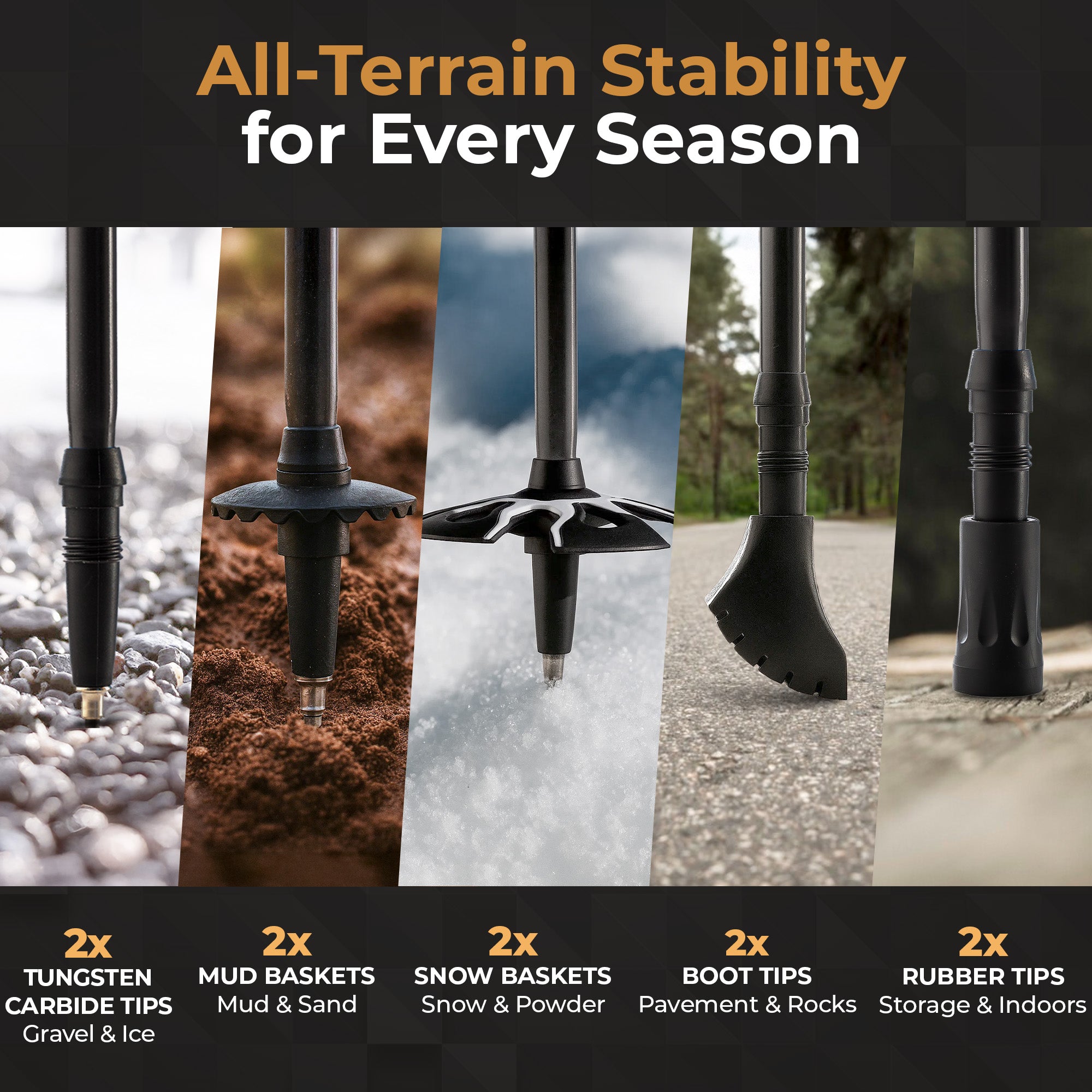
Spending more money on trekking poles buys you efficiency and reduced fatigue rather than just basic support. The physiological benefits become more apparent as distance and difficulty increase.
Joint Strain Reduction Capabilities
All trekking poles reduce knee load by up to 25 percent on descents by transferring weight to your arms. This physics principle works regardless of price but high-end poles enhance the effect through superior shock absorption.
Lighter poles reduce swing weight which lowers shoulder and arm fatigue over long distances. Ergonomic grips further prevent hand numbness allowing you to maintain proper form when tired.
Balance on Technical Terrain
Poles act as two extra feet when navigating loose scree ice or narrow ridgelines. While a cheap pole provides balance a premium pole offers confidence through secure locks and replaceable carbide tips.
- Secure locks: Prevent accidental shortening under pressure.
- Carbide tips: Grip rock and ice better than standard steel tips.
- Interchangeable baskets: Allow use in snow or mud without sinking.
These features add cost but they provide the stability needed for exposed alpine environments where a slip could be dangerous.
Secondary Uses Add Value
Serious hikers use their poles for tasks beyond walking support which justifies investing in robust models. High-end poles are designed to handle lateral forces from these secondary uses.
- Tent poles: Support ultralight shelters and tarps in place of heavy internal poles.
- Clotheslines: Help dry gear in camp without needing extra cordage.
- Trail clearing: Sweep away spider webs or push aside thick brush.
- River crossings: Test water depth and maintain balance on slippery rocks.
Who Actually Needs Expensive Poles
Price does not equal value if the gear does not match your specific hiking style. Understanding your typical usage helps you avoid overspending on features you will never use.
Day Hikers Should Choose Aluminum
If you hike 5 to 10 miles on weekends then carbon fiber is likely overkill for your needs. You do not need ultralight savings or compact folding for local trails.
- Recommended: Mid-range aluminum poles with foam grips.
- Why: You get joint protection and balance at half the price of carbon.
- Bonus: Aluminum survives drops and scrapes better without panic.
Thru-Hikers Must Invest in Carbon
For trips lasting five days or more every ounce matters significantly to your daily mileage. That extra weight adds up over hundreds of thousands of steps.
- Recommended: Carbon fiber poles with lever locks and cork grips.
- Why: Reduced fatigue allows for longer days and better recovery.
- Pro Tip: Carry a repair sleeve to fix a snapped pole in the backcountry.
Frequent Hikers Find Value in Mid-Range
Hiking every weekend requires a balance of comfort and reliability without overspending on ultralight features.
- Recommended: Aluminum or hybrid poles with ergonomic grips.
- Why: Balances durability and weight for years of regular use.
- Value: Prevents blisters and lasts through seasons of adventure.
Travelers Prioritize Compactness
Flying to your trailhead makes packed size a critical factor in your purchase decision.
- Recommended: High-end carbon poles that collapse under 16 inches.
- Why: Fits in carry-on luggage to avoid baggage fees and lost gear.
- Trade-off: Higher cost and fragility are worth it for frequent flyers.
Common Misconceptions About Price
Many hikers assume that a higher price tag automatically means better durability or safety. This is not always true and understanding the nuances prevents buyer remorse.
Expensive Does Not Mean Indestructible
Aluminum is often more durable in real-world use because it bends instead of breaking. A cheap aluminum pole can last a decade while an expensive carbon pole can snap from a single bad fall.
All Poles Reduce Fatigue Equally
While all poles help knees lightweight poles specifically reduce upper-body fatigue. Over 20 miles carrying extra weight in your hands feels significant and premium poles solve this.
Cork Handles Are Not Gimmicks
Cork molds to your hand and wicks sweat effectively to prevent blisters. After 100 miles the difference between plastic and cork becomes very obvious to your hands.
Price vs Performance Comparison Table
| Feature | Budget ($20–$50) | Mid-Range ($60–$120) | High-End ($130–$200+) |
|---|---|---|---|
| Shaft Material | Aluminum | Aluminum / Hybrid | Carbon Fiber |
| Weight | Heavy (14–18 oz) | Moderate (10–14 oz) | Ultra-light (6–9 oz) |
| Grip Material | Plastic | Foam / Basic Cork | Premium Cork |
| Locking System | Friction / Basic Twist | Reliable Twist | Lever (Flip) Lock |
| Collapsed Length | Long (24–28 in) | Moderate (18–22 in) | Compact (14–16 in) |
| Best For | Day hikes | Weekend trips | Thru-hiking / Travel |
Frequently Asked Questions About Trekking Pole Costs
Why are carbon fiber trekking poles so much more expensive than aluminum?
Carbon fiber requires a complex manufacturing process involving precise layering and curing that costs more than extruding aluminum. The raw materials are also pricier and the resulting weight savings justify the cost for long-distance hikers.
Do expensive trekking poles last longer than cheap ones?
Not necessarily as aluminum poles often outlast carbon ones in rough conditions because they bend rather than snap. Expensive poles offer better comfort and weight savings but may be more prone to catastrophic failure if misused.
Is it worth buying expensive trekking poles for casual hiking?
No because casual hikers benefit more from the durability and low cost of aluminum poles. You only need expensive carbon fiber features if you hike multiple days in a row or need to save weight for air travel.
What features justify spending over $100 on trekking poles?
Premium features include ultralight carbon shafts cork handles that prevent blisters and lever locks that are easy to adjust. These features reduce fatigue and improve comfort specifically for multi-day trips or technical terrain.
Can I repair a broken expensive trekking pole in the field?
You can repair aluminum poles by straightening them but broken carbon fiber poles usually require a splint or sleeve. Many hikers carry a repair sleeve to temporarily fix a snapped carbon pole until they reach home.
Key Takeaways for Buying Trekking Poles

The high cost of trekking poles comes from advanced materials like carbon fiber and precision engineering that reduces weight and fatigue. Budget aluminum poles offer excellent durability and value for casual hikers while expensive models cater to specific needs like ultralight backpacking.
Match your purchase to your hiking style rather than buying the most expensive option on the shelf. Save your money if you only day hike but invest in quality gear if you plan long-distance adventures where comfort matters most.