
Imagine harvesting crisp lettuce, juicy tomatoes, and fresh basil in the middle of winter, with no yard needed. With a grow tent, you can grow vegetables indoors all year, regardless of outdoor weather or space limitations. Growing vegetables in a grow tent gives you full control over light, temperature, and humidity, turning a small corner of your home into a thriving mini-farm. Whether you are a beginner, a parent teaching kids about plants, or someone with limited mobility, a grow tent makes gardening accessible and rewarding.
You will avoid pests, extend growing seasons, and enjoy faster harvests, all while using vertical space efficiently. In this guide, you will learn how to set up your tent, choose the best vegetables, manage lighting and watering, and troubleshoot common issues. Let us turn your indoor space into a productive, year-round vegetable garden.
Choose the Right Grow Tent Size

Pick Based on Space and Goals
Your tent size determines what and how much you can grow. A 2′ x 2′ tent fits on a shelf and works for herbs or one tomato plant. A 2′ x 4′ tent supports 3 to 5 plants, which is ideal for small families. For serious harvests, go with a 5′ x 5′ tent, which lets you stand inside and grow 10 or more plants. Bigger tents offer room for shelving, multiple lights, and better airflow.
Prioritize Key Tent Features
Look for reflective interior walls to maximize light efficiency. A waterproof floor with a catch pan protects your home from spills. Dual zippered doors on adjacent sides make it easier to reach plants and route cords. Ventilation ports allow fans and filters to connect. A viewing window lets you check plants without opening the tent and losing climate control.
Fit Shelving and Equipment Inside
In a 5′ x 5′ tent, a four-foot adjustable shelving unit fits perfectly. Use the top shelves for seedlings under fluorescent lights and the floor for mature plants. Leave one foot of clearance on each side for air movement and light penetration. This vertical setup maximizes space and keeps everything organized.
Set Up Effective Lighting

Use Full-Spectrum Grow Lights
Plants need a balanced light spectrum to grow strong. Full-spectrum LED or fluorescent lights mimic natural sunlight and support both leafy growth and fruiting. Unlike red- or blue-only lights, full-spectrum options deliver consistent results across all vegetable types. For a 5′ x 5′ tent, four Atrium Lighting or similar full-spectrum fixtures provide even coverage.
Add Supplemental Lights for Coverage
Even with main lights, corners and floor-level plants may get less light. Use basic LED shop lights ($5 to $10 from hardware stores) with 10,000K grow bulbs to target these areas. Hang them directly over pots of potatoes or low-light herbs. These affordable lights are perfect for beginners and kids.
Adjust Light Height and Timing
Start with lights 24 inches above plants. If seedlings grow tall and spindly, the light is too far, so move it closer. If leaves yellow or curl, it may be too close, so raise the light slightly. Set a timer for 16 to 18 hours of light per day. All lights should follow the same cycle to simulate natural days. Use timers to keep the schedule consistent.
Select the Best Vegetables to Grow

Start with Easy, Fast-Growing Crops
Begin with leafy greens like lettuce, spinach, arugula, and kale. They mature in 30 to 45 days and tolerate minor mistakes. Radishes sprout in just a few weeks, which is great for kids’ instant gratification. Herbs like basil, chives, and cilantro are low-maintenance and add flavor to meals.
Grow Fruiting Vegetables with Support
Once confident, try bush tomatoes, bell peppers, and Shishito peppers. These need 12 to 16 inches of soil depth and support stakes. They are hardy and can even handle 24-hour light once mature. Pair peppers with basil since it repels pests and boosts flavor.
Try Strawberries for Daily Harvests
Choose everbearing or day-neutral strawberries for fruit almost every day. Buy plants in spring for best results. They thrive under constant light and make a long-term, joyful project. Avoid June-bearing types because they fruit all at once, which is not ideal for steady harvests.
Use the Right Containers and Soil
Pick Breathable Grow Bags
Fabric grow bags are ideal because they are reusable, breathable, and easy to move. They prevent root rot and encourage healthy root growth. Use 12 to 16 inch deep bags for tomatoes and peppers, and 6 to 8 inch bags for lettuce and herbs. Handles make it easy to plant outside the tent and move plants in afterward.
Build a Custom Potting Mix
Mix your own soil for better nutrition:
- 2 parts peat moss to hold moisture
- 2 parts compost for nutrients and microbes
- 1 part perlite to improve drainage
- ½ part worm castings as natural fertilizer
- 1 tbsp 3-3-3 organic fertilizer per gallon
Combine in a large tote, add water gradually, and let it sit overnight. Wear a dust mask when mixing since peat and compost can release fine particles.
Try the Trash Can Method for Potatoes
Use a plastic trash can with 2-inch holes drilled in the sides. Add gravel for drainage, then 3 inches of soil. Place seed potatoes on top, cover lightly, and as they grow, add chopped straw to keep shoots exposed. Keep soil damp, not wet. When vines die, wait a week, then dump the contents on a tarp to harvest.
Control Temperature and Humidity

Maintain Ideal Growing Conditions
Keep the tent between 65 and 75°F (18 to 24°C). Use a digital thermometer and hygrometer to monitor conditions. If temps drop, especially for peppers and tomatoes, use a seedling heat mat. These run 24/7 and are essential for germination. Only one tray fits at a time, so plan planting in stages.
Manage Humidity Levels
Aim for 40 to 60% humidity. Too low causes leaves to curl. Too high leads to mold. A small oscillating fan improves airflow, strengthens stems, and prevents mildew. Place it to gently move air without blasting plants.
Prevent Overwatering
Check soil daily. Water only when the top inch feels dry. Overwatering causes yellow leaves and root rot. Water around the stem, not the whole bag, since your mix starts moist. Crispy leaf edges mean underwatering; wilted plants in wet soil suggest root issues.
Plant and Maintain Your Garden
Start with Transplants or Seeds
For quick results, buy transplants like cherry tomatoes or basil. For learning, start lettuce or radish seeds since they sprout fast. Use fluorescent shop lights on shelves for seedlings. Once true leaves appear, move them to the main tent.
Use Companion Planting
Pair tomatoes with basil to repel pests and improve flavor. Peppers and basil work the same way. Plant lettuce between larger plants because it grows fast and does not need full sun all day.
Practice Succession Planting
For continuous harvests, plant lettuce every 14 days. Harvest outer leaves and let the center regrow. This ensures fresh greens year-round without gaps in supply.
Support and Train Your Plants
Install Trellises and Stakes
Use small trellises for climbing beans or cucumbers. Stake tomatoes and peppers early to support heavy fruit. This saves space and keeps plants upright.
Prune and Shape for Health
Pinch off lower leaves when planting to prevent disease. Prune basil regularly by cutting just above a leaf pair to encourage bushy growth. Over time, the stem hardens, making it more resilient.
Try Bonsai-Style Training
Peppers and basil can be trained into bonsai shapes. Trim selectively and rotate the pot for even growth. It is fun, space-saving, and adds beauty to your tent.
Troubleshoot Common Problems
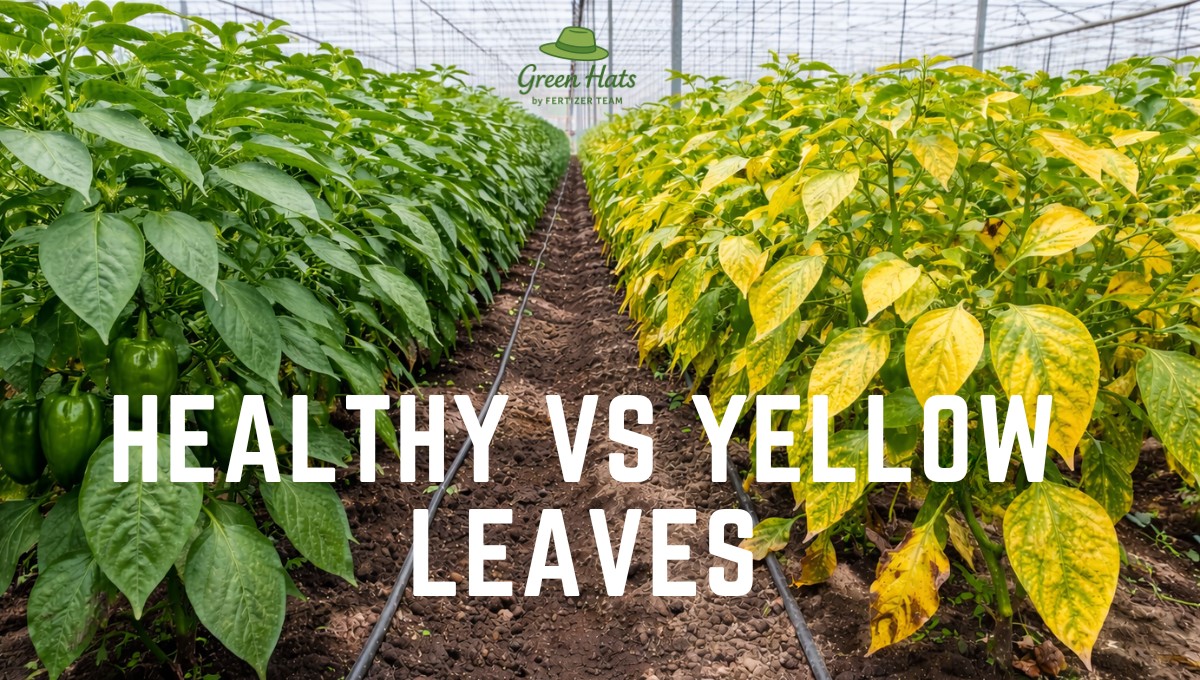
Fix Yellow or Curling Leaves
Yellow leaves likely indicate overwatering or nutrient deficiency. Let soil dry out and check your fertilizer. Curling leaves could mean low humidity, temperature stress, or pests. Adjust the environment and inspect under leaves.
Stop Leggy Seedlings
If seedlings stretch tall and thin, they are not getting enough light. Move lights closer, ideally 6 to 12 inches above. Use reflective walls to boost light exposure.
Prevent Mold and Pests
Mold means poor airflow or high humidity. Add a fan and reduce watering. Since grow tents are enclosed, pests are rare, but check new plants before bringing them in. If aphids appear, spray with diluted soapy water.
Maximize Harvests with Smart Planning
Rotate Crops and Reuse Soil
Even indoors, rotate plant families to prevent nutrient depletion. After harvesting tomatoes, plant lettuce in the same bag. Refresh soil with compost and worm castings between cycles.
Save Seeds and Recycle Scraps
Collect seeds from ripe tomatoes or peppers. Dry and store them for next season. Try seed recycling by tossing apple cores, orange seeds, or grape seeds into soil. Something will sprout, and it is a fun experiment for kids.
Scale Up Over Time
Start small with a 2′ x 2′ tent and a few herbs. As you gain confidence, add lights, shelves, and new crops. A 5′ x 5′ tent with full setup can feed a family year-round.
Frequently Asked Questions About Growing Vegetables in a Grow Tent
What Size Grow Tent Do I Need for Beginners?
A 2′ x 2′ tent is ideal for beginners. It fits on a shelf or small corner, holds 1 to 2 plants like herbs or a single tomato, and costs less to outfit with lights and ventilation. You can always upgrade later.
How Many Hours of Light Do Vegetables Need Indoors?
Most vegetables need 16 to 18 hours of light per day. Use a timer to keep the schedule consistent. Some fruiting plants like peppers can handle 24-hour light once mature and still produce fruit.
What Are the Easiest Vegetables to Grow in a Grow Tent?
Lettuce, spinach, kale, radishes, and basil are the easiest. They mature quickly (30 to 45 days for greens, a few weeks for radishes), tolerate minor mistakes, and require minimal space. Herbs like basil, chives, and cilantro are also forgiving and low-maintenance.
Do I Need a Heat Mat for My Grow Tent?
A heat mat is essential for germinating peppers and tomatoes, which need warm soil to sprout. It runs continuously and keeps soil temperatures in the ideal range. For most other vegetables, a heat mat is optional but helpful in cold rooms.
How Do I Prevent Mold in My Grow Tent?
Keep humidity between 40 and 60%, use a small oscillating fan for airflow, and avoid overwatering. If you see mold, reduce moisture, increase ventilation, and remove affected plant material immediately.
Can I Grow Strawberries in a Grow Tent Year-Round?
Yes. Choose everbearing or day-neutral varieties for daily harvests. These types thrive under 24-hour lighting and produce berries consistently. Buy plants in spring for the easiest start, and they will continue fruiting for years.
Key Takeaways for Growing Vegetables in a Grow Tent
Growing vegetables in a grow tent puts you in control of your food supply, no matter the season or your outdoor space. Start with a properly sized tent, full-spectrum lighting, and easy crops like lettuce and herbs. Maintain temperatures between 65 and 75°F, humidity between 40 and 60%, and a consistent 16 to 18 hour light cycle.
Your next step is simple: choose one or two easy vegetables, set up your tent with the basics, and observe how your plants respond each day. With patience and attention, your grow tent will become a reliable source of fresh, homegrown produce all year long.