
If you’ve ever felt your knees scream on a steep descent, struggled to keep your balance on a muddy trail, or noticed your hands swelling after hours of hiking uphill, it might be time to consider hiking poles. Once seen as optional accessories, trekking poles are now essential gear for serious hikers—and for good reason. Supported by biomechanical studies and backed by real-world experience, the benefits of hiking poles go far beyond simple support. They reduce joint strain, improve stability, boost endurance, and even double as shelter poles or emergency tools.
Using hiking poles isn’t just about comfort—it’s about protecting your body, hiking smarter, and staying safe on the trail. Whether you’re tackling the Appalachian Trail or exploring local forest paths, trekking poles can help you walk faster, recover quicker, and prevent long-term wear and tear. From reducing knee impact by up to 50% on descents to increasing calorie burn by 20%, these lightweight tools deliver measurable advantages. This guide breaks down every key benefit, so you can decide if hiking poles are the right addition to your pack.
Reduce Knee and Joint Stress on Downhills
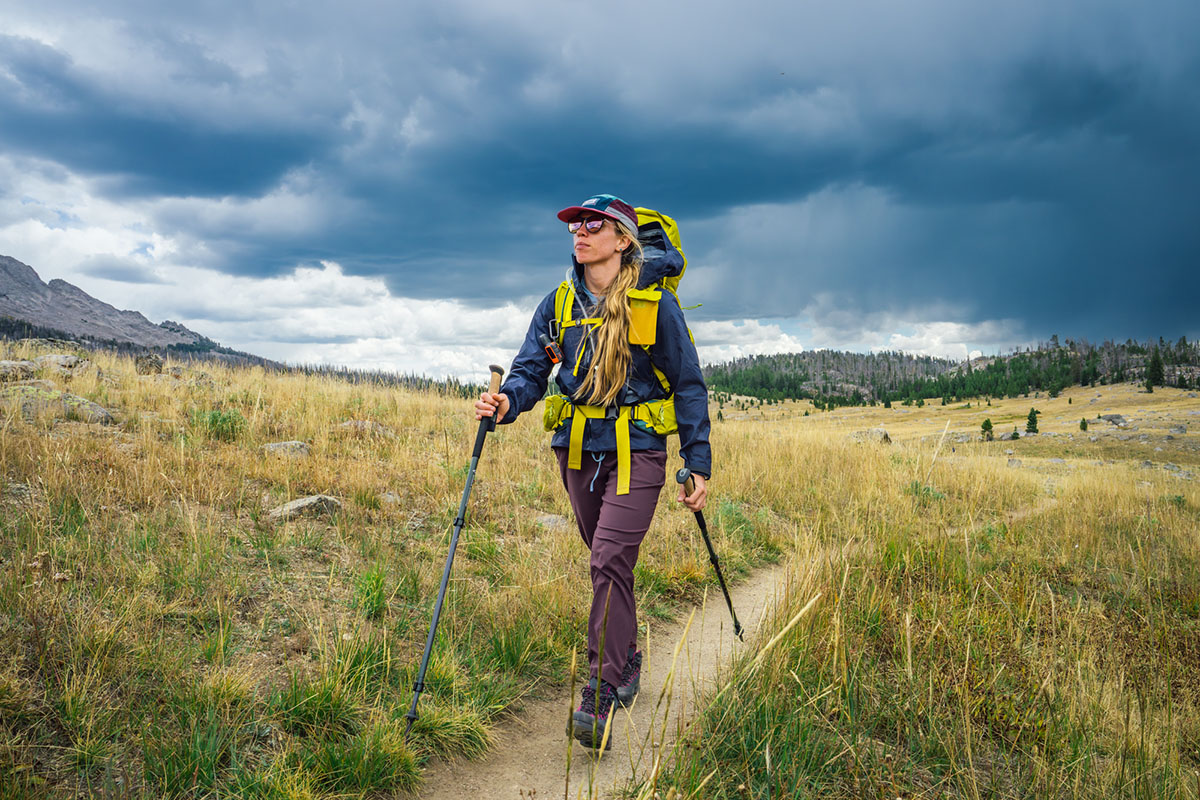
Descending steep terrain places extreme stress on your knees—up to 50% more force than walking on flat ground. Hiking poles act as shock absorbers, redirecting that load through your arms and torso.
How Poles Protect Your Knees and Hips
When you hike downhill, your quadriceps work eccentrically—lengthening under tension—to control your descent. This motion generates significant joint compression. Trekking poles reduce this strain by transferring several tonnes of cumulative force per hour away from your lower body. Studies confirm that proper pole use can significantly decrease knee joint torque and muscle fatigue, making descents less punishing.
Hikers over 40, those with prior knee injuries, or anyone carrying a heavy backpack will feel the difference immediately. Many long-distance hikers credit poles with extending their time on the trail by preventing chronic joint pain.
Preventing Long-Term Joint Damage
Repeated downhill pounding contributes to cartilage wear and early-onset osteoarthritis. By reducing daily joint impact, hiking poles help preserve mobility over time. Users consistently report less post-hike soreness and faster recovery, especially after multi-day trips.
⚠️ Note: While joint protection is a major benefit, some experts caution that overuse may reduce natural loading needed for cartilage health. Poles should complement—not replace—strength training and balanced movement.
Gain Stability on Slippery or Uneven Terrain
Hiking poles turn your two-legged stride into a four-point stance, dramatically improving balance on unstable ground.
Prevent Falls on Risky Trails
On wet rocks, loose scree, muddy switchbacks, or narrow ridgelines, poles provide critical grip and leverage. They help you:
– Cross slippery logs with confidence
– Navigate exposed sections without panic
– Maintain balance during sudden slips
This quadrupedal support system is especially valuable when carrying a heavy pack, which shifts your center of gravity backward and increases fall risk.
Improve Reaction Time and Body Awareness
Poles enhance proprioception—your body’s sense of position and movement. The constant feedback from pole tips helps you detect unstable terrain earlier, allowing quicker adjustments. This reduces mental fatigue, as your brain doesn’t have to work as hard to stay upright.
Walk Faster and with Less Effort
Contrary to myth, hiking poles don’t just support—they propel.
Increase Speed and Stride Efficiency
Six independent studies show hikers move faster with poles, not because they’re “rowing” uphill, but because:
– Stride length increases
– Gait becomes smoother
– Confidence improves on technical ground
Result? You cover more distance with less perceived effort, especially on long ascents or loaded hikes.
Lower Perceived Exertion
Even though your heart rate may rise slightly due to upper-body engagement, you feel less tired. This psychological advantage helps delay mental fatigue and burnout. It’s particularly helpful for hikers with mobility challenges or neurological conditions like Parkinson’s, where poles improve gait stability and endurance.
Turn Your Hike into a Full-Body Workout
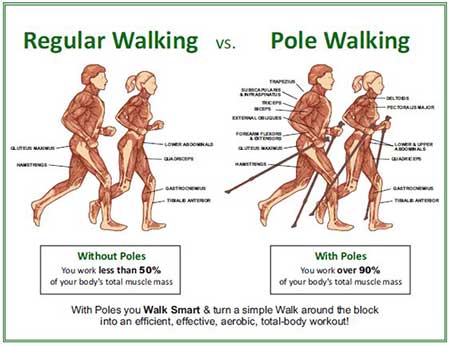
Hiking with poles engages muscles you don’t typically use on the trail.
Burn Up to 20% More Calories
By activating your arms, shoulders, chest, and core, trekking poles increase energy expenditure—especially uphill. This makes them ideal for fitness-focused hikers or those aiming for weight loss.
Urban poling communities use this effect for low-impact cardio, turning sidewalks into gyms. But remember: more calories burned means you’ll need to eat more on long hikes.
Stay Active Without Extra Gear
No need for gym equipment—your poles turn every trail into a training session. Just keep proper form: sync your arms with your legs and use the straps correctly to avoid hand strain.
Improve Posture and Breathing on Steep Climbs
Heavy packs often cause hunching, compressing your spine and lungs. Poles help you hike taller—and breathe better.
Hike Upright on Ascents
Pushing up with poles encourages an upright posture, opening your chest and allowing full lung expansion. This improves oxygen flow, reducing breathlessness on steep climbs.
Avoid Forward Lean on Descents
Without poles, most hikers lean forward, straining their lower back. With poles, you can hip-hinge at the waist, keeping your spine neutral and reducing back pain.
Prevent Swollen Hands and Cold Fingers
Your arms aren’t just for swinging—circulation matters.
Stop Hand Swelling on Long Hikes
During prolonged climbs, dangling arms slow venous return, leading to puffy fingers. Using poles keeps your arms engaged, promoting blood flow and preventing fluid buildup.
Keep Hands Warm at High Altitude
In cold environments, pole length affects circulation. If poles are too long, your hands rise above heart level, reducing blood flow. Adjust them so your hands stay at or below elbow level to keep fingers warm.
Use Poles for More Than Just Hiking
One tool, ten uses—trekking poles are the ultimate multi-tool.
Replace Tent Poles and Save Weight
Most ultralight shelters (ZPacks, Tarptent, Durston) are designed to use trekking poles as structural support. This eliminates the need for separate tent poles, saving 8–16 oz (225–450g)—a big win for thru-hikers.
Campsite Hacks You Didn’t Expect
- Hang a tarp or clothesline with guy lines
- Prop up a gravity water filter
- Mount a GoPro or phone for camp photos
- Stake down tarps in a pinch
- Build an emergency splint or stretcher
Signal for Hitchhiking
Visible trekking poles tell drivers: “I’m a hiker, I need a ride.” Many long-distance hikers report higher pickup rates when poles are clearly visible.
Deter Wildlife and Test Hidden Hazards
Poles are safety tools, not just walking aids.
Scare Off Bears and Large Animals
In bear country, clack poles together to make noise. Wave them overhead to appear larger. Guides in Alaska and Yellowstone use this non-lethal method to deter curious animals.
Avoid Snakes and Dangerous Terrain
Tap vegetation ahead to startle snakes before stepping—critical in rattlesnake-prone areas. Use poles to test:
– Stream depth
– Ice thickness
– Snow bridge stability
– Boggy or unstable ground
Master Proper Technique for Maximum Benefit
Using poles wrong can cause injury or negate benefits.
Set the Right Height
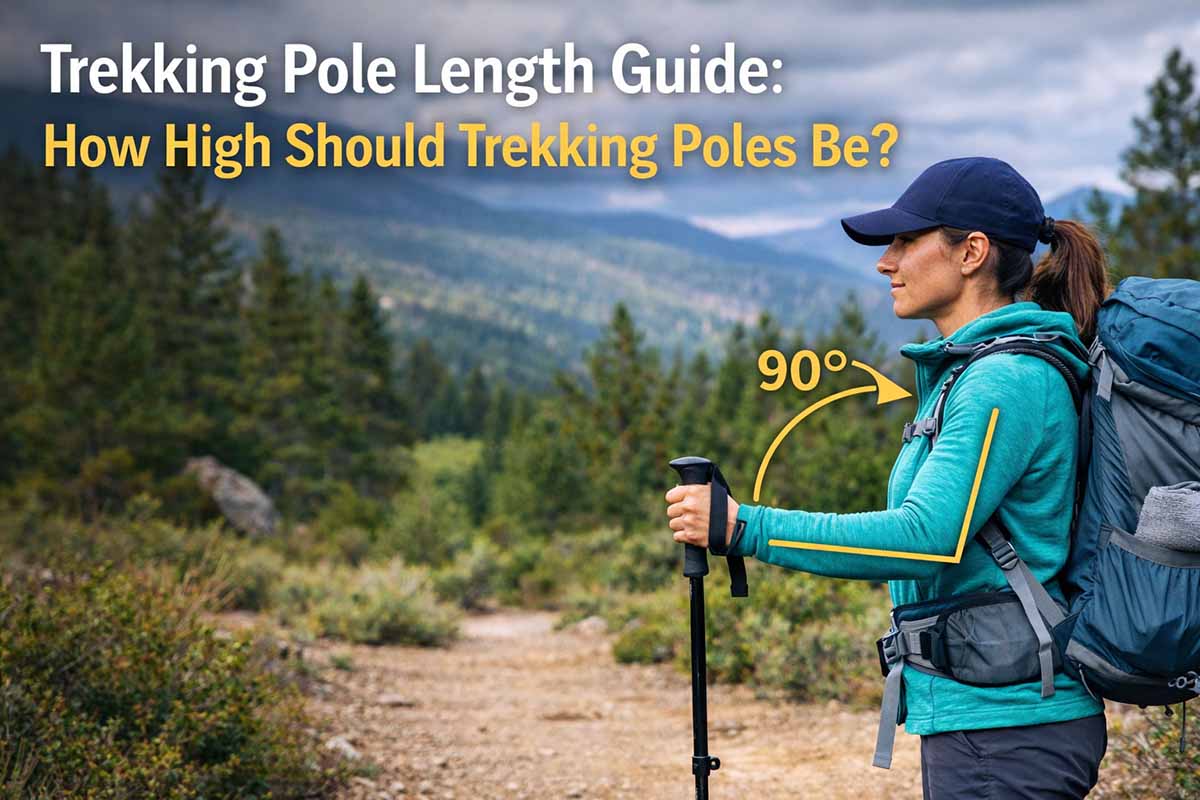
When standing flat, your elbow should form a 90-degree angle when holding the pole. General rule: grip at hip level. Adjust for terrain:
– Shorter for uphill (keeps you upright)
– Longer for downhill (improves braking)
Use Straps Correctly
Most people use straps wrong. Here’s how:
1. Slide hand up through the strap
2. Grip the handle so the strap sits between thumb and palm
3. Push down on the strap, not just the handle
This allows you to release your fingers while still transmitting force—reducing fatigue and preventing tendon strain.
Sync Your Stride
Use opposite pole to opposite foot (right foot with left pole). Pole strikes ground just behind your back foot for propulsion. It feels awkward at first but becomes natural—like Nordic walking.
Choose the Right Pole for Your Needs
Not all poles are equal. Consider your goals.
Aluminum vs. Carbon Fiber
| Feature | Aluminum | Carbon Fiber |
|---|---|---|
| Weight | Heavier | Lighter |
| Durability | Bends, doesn’t snap | Can shatter if cracked |
| Cost | $30–$80 | $80–$200+ |
| Best For | Icy terrain, durability | Ultralight, long-distance |
Tip: Aluminum poles are often safer in icy conditions—carbon can fail catastrophically if damaged.
Grip and Design Options
- Cork: Comfortable, molds to hand, wicks sweat—best for long hikes
- Foam: Soft and affordable, but wears faster
-
Rubber: Slippery when wet—avoid for hiking
-
Telescoping: Adjustable, sturdy, ideal for tents
- Folding (Trifold): Packs small—perfect for travel
Know When Not to Use Poles
They’re not always helpful.
Avoid in Technical Terrain
- Scrambling: Need hands free
- Narrow ridges: Poles can unbalance you
- Dense brush: Gets caught in branches
Flat, Smooth Trails?
On paved or well-groomed paths, benefits drop. If there’s no elevation change, poles add weight with minimal return.
📌 UIAA Warning: Long-term reliance may reduce natural balance. Practice hiking without them occasionally.
Who Should Use Hiking Poles?
Most hikers benefit—but some need them.
Strongly Recommended For:
- Hikers with knee, hip, or ankle pain
- Anyone carrying over 20 lbs (9 kg)
- Thru-hikers (AT, PCT, CDT)
- Older hikers or those recovering from injury
- People with balance issues or vertigo
Great for Accessibility
Poles act as mobility aids, enabling safer, longer trips for hikers with Parkinson’s or neurological conditions.
Start Smart: Cost, Trial, and Travel Tips
You don’t need to spend big to test poles.
Budget Options Work Well
Affordable poles ($30–$35) from Cascade Mountain Tech or Ozark Trail perform reliably. Or try a natural walking stick for a zero-cost trial.
Traveling by Air?
- Poles must go in checked luggage (TSA rule)
- Folding poles fit in carry-ons
- Always use tip covers or wrap in tape to protect bags
Minimize Environmental Impact
Be a responsible pole user.
Reduce Trail Damage
- Carbide tips can scar rock and damage alpine soil
- May widen trails or harm fragile ecosystems
How to Reduce Impact
- Use rubber caps on rock or pavement
- Stay within trail tread
- Avoid poking vegetation
- Skip poles in pristine, high-impact zones
Make the Decision: Are Poles Right for You?
Ask three questions:
1. How Long Is Your Hike?
- >6–8 hours or multi-day? → Yes, use poles
- Short, easy hike? → Optional
2. What’s the Terrain Like?
- Steep, rocky, wet, or icy? → Poles are essential
- Flat or technical scrambling? → Leave them behind
3. Can You Use Them for More?
- Setting up a tarp?
- Need a filter stand or emergency tool?
- → Justifies the weight
✅ Case Example: A 3-day, 51km hike with 1,300m elevation and a 22lb pack? Poles are strongly recommended.
Final Note: Hiking poles aren’t magic—but they’re close. With scientific backing and overwhelming user support, they’ve evolved from niche gear to a backpacking essential. The benefits—joint protection, stability, efficiency, and versatility—far outweigh the minor drawbacks. Start with an affordable pair, learn proper technique, and discover how poles can help you hike farther, safer, and stronger.