
If you’ve ever finished a long hike drenched in sweat, chilled by damp fabric, or embarrassed by lingering odors, you know how much your clothing impacts the experience. For modern hikers, the answer isn’t cotton—it’s merino wool. This natural fiber has become the gold standard in hiking apparel for good reason. Lightweight, breathable, and odor-resistant, merino wool for hiking apparel delivers unmatched performance across seasons and terrains.
Unlike traditional wool, merino is soft enough to wear next to skin without itching. It wicks moisture before you feel wet, keeps you warm in freezing temps and cool in heat, and stays fresh for days—critical advantages when you’re miles from a shower. Whether you’re thru-hiking the PCT or weekend backpacking in the Rockies, merino wool base layers, socks, and shirts reduce pack weight, eliminate laundry hassles, and enhance comfort.
In this guide, you’ll learn why merino outperforms synthetics and cotton, how it handles real trail challenges, and where it falls short—so you can choose the right gear with confidence.
Superior Moisture Management

Merino wool keeps you dry from the inside out—long before sweat becomes a problem.
Wicks Sweat in Vapor Form
Unlike synthetic fabrics that move liquid sweat to the surface, merino absorbs moisture as vapor, pulling it directly from your skin. This means faster, more efficient evaporation and less clamminess during steep climbs or humid hikes. Even when saturated, merino retains warmth—unlike cotton, which turns cold and heavy when wet.
This vapor-wicking ability stems from the fiber’s porous structure, which actively draws moisture into the core of each strand. As a result, the fabric doesn’t feel damp even when it’s holding significant moisture—giving you a crucial edge during high-exertion activities like uphill scrambles or desert treks.
Holds 30% Moisture Without Feeling Wet
Thanks to its porous fiber structure, merino can absorb up to 30% of its weight in moisture without feeling damp. This buffer prevents sudden chills and helps regulate body heat during stop-and-go hiking. You stay drier, warmer, and safer—especially in cold conditions where wet fabric increases hypothermia risk.
For comparison, cotton holds about 7–8% moisture before feeling soaked, while polyester moves sweat but doesn’t absorb it—leading to that sticky, clammy feeling. With merino, you get the best of both worlds: absorption without discomfort.
Natural Temperature Regulation
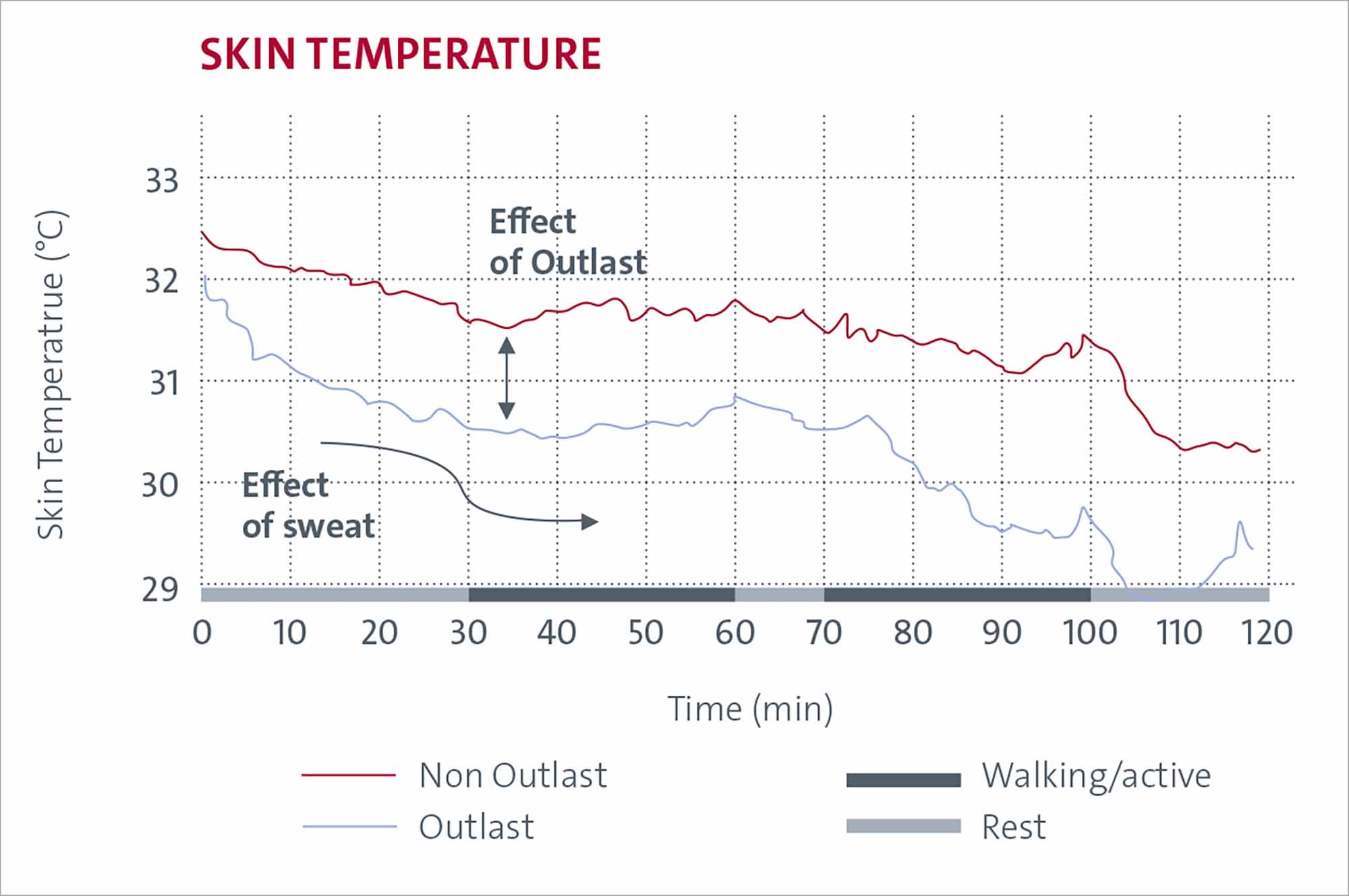
Merino adapts to your body and environment, not the other way around.
Traps Warm Air in Cold Weather
The crimped structure of merino fibers creates micro air pockets that insulate like tiny down feathers. This natural loft traps body heat close to the skin, making merino base layers ideal for winter hikes, early-morning treks, or high-altitude trails.
Even when wet, it continues to insulate—unlike cotton, which loses all thermal protection when damp. That makes merino a safer choice in unpredictable mountain weather, where sudden rain or snow can turn a routine hike into a survival scenario.
Cools You in Hot Conditions
When temperatures rise, merino releases stored moisture through evaporative cooling, lowering skin temperature. Hikers report staying comfortable in conditions ranging from below freezing to 80°F (27°C)—often in the same garment. A lightweight (150gsm) merino shirt can handle summer trails, while midweight versions (200–300gsm) excel in cold.
This dual functionality reduces the number of clothing layers you need to carry, saving valuable pack space and weight—a major advantage on long-distance hikes.
Built-In Odor Resistance
Skip the deodorant. Merino fights stink naturally.
Blocks Bacteria with Lanolin
Merino contains lanolin, a natural wax that inhibits odor-causing bacteria. Instead of multiplying on the fabric (like on polyester), microbes are neutralized before they create smell. This means you can wear the same shirt for 3–7 days on a backpacking trip with minimal odor.
Synthetic fabrics rely on chemical treatments to combat odor, but these wash out over time. Merino’s resistance is inherent and permanent, lasting the entire life of the garment.
Traps Odors Until Washed
The fiber absorbs and locks in odor molecules, releasing them only when washed. Many hikers air out their merino gear overnight and wear it again—no washing needed. Compared to synthetics, which develop “permafunk” after just a few wears, merino stays surprisingly fresh.
This makes it perfect for multi-day trips, thru-hikes, or minimalist packing strategies where laundry access is limited.
Softness for All-Day Comfort
No itch. No irritation. Just comfort.
Fibers Finer Than Human Hair
Merino wool measures 15–24 microns in diameter—less than half the thickness of human hair. This fineness eliminates the prickly sensation of traditional wool. Most users, even those sensitive to wool, find merino silky, smooth, and non-irritating against bare skin.
Because of this, merino is often recommended for people with eczema or wool allergies. While a small number may still react to wool proteins, blended versions (with silk or nylon) offer a gentler alternative. For base layers and underwear, merino is the top choice for extended wear.
Lightweight and Packable Design
Less bulk. More room. Better performance.
High Warmth-to-Weight Ratio
Merino delivers exceptional insulation without heaviness. A full base layer weighs as little as 6–8 oz, making it perfect for ultralight and thru-hiking setups. You gain thermal efficiency without sacrificing pack space.
Despite its lightness, merino provides more warmth per ounce than most synthetics, especially in damp conditions. That’s why many hikers choose it as their go-to base layer for cold-weather expeditions.
Springs Back After Compression
Unlike cotton or fleece, merino resists wrinkles and springs back when unpacked. Stuff it into a corner of your backpack—it won’t lose shape. This resilience enhances comfort and reduces the need for multiple clothing changes.
Its ability to bounce back also means it drapes well and maintains a comfortable fit, even after days of wear and compression.
Breathability and Sun Protection
Stay cool and shielded on exposed trails.
Promotes Air Circulation
The natural crimp and structure of merino fibers allow air to flow freely, reducing overheating and sweat buildup. This breathability prevents闷热 (stuffy heat) during high-output sections like switchbacks or desert hikes.
You won’t feel the sticky, suffocating sensation common with synthetic shirts—just consistent airflow and moisture control.
Offers UPF 20–50 Sun Defense
Merino provides natural UV protection, with most garments rated UPF 20–50. That means you can hike alpine ridges or desert canyons with less reliance on sunscreen. For maximum coverage, pair with a sun hoodie or wide-brim hat.
This built-in sun defense adds an extra safety net, especially on high-elevation trails where UV exposure is intense.
Sustainable and Eco-Friendly
Choose gear that respects the planet.
Renewable and Biodegradable
Merino wool is shorn annually from sheep and regrows naturally. When discarded, it biodegrades in soil within 3–12 months, unlike synthetic microplastics that pollute oceans for centuries. Choosing merino reduces microfiber pollution and environmental footprint.
Every time you opt for merino over polyester, you’re reducing plastic waste and supporting a renewable resource.
Ethically Sourced Options Available
Look for Responsible Wool Standard (RWS) or Responsible Animal Fibre (RAF) certification. These ensure humane treatment, no mulesing, and sustainable land use. Top brands like Patagonia, Icebreaker, and Smartwool use RWS-certified wool and support animal welfare.
By choosing certified brands, you help drive ethical practices across the industry.
Static and Stain Resistance
Fewer laundry days. Fewer hassles.
Reduces Static Cling
Merino’s natural moisture retention prevents static buildup—ideal for dry climates or layering under synthetic shells. No more shocks when touching your trekking pole or tent zipper.
This subtle benefit enhances comfort, especially in winter when static is common.
Repels Liquids and Stains
The hydrophobic outer layer causes water and spills to bead and roll off. Combined with odor resistance, this means merino garments need fewer washes, saving water and extending lifespan.
A quick rinse and air-out often restores freshness—no machine wash required.
Real-World Hiking Performance
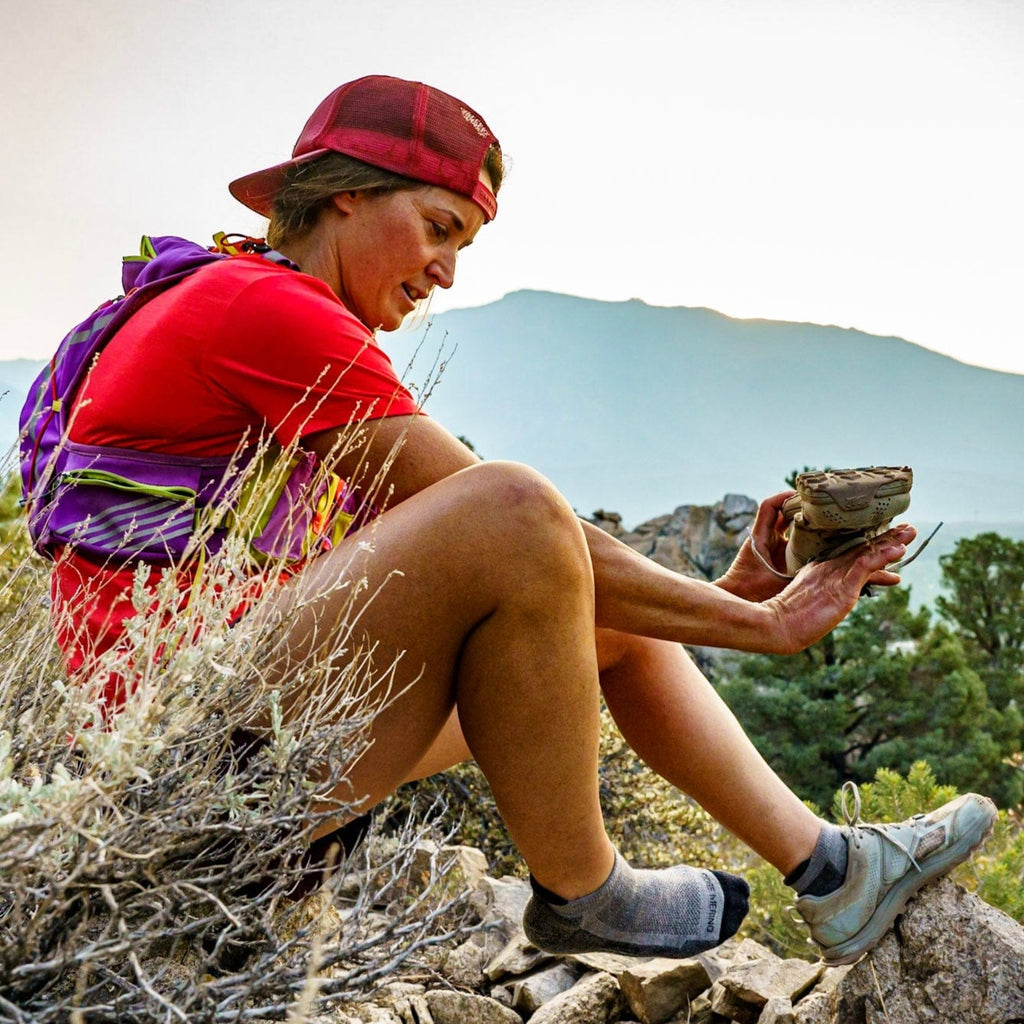
See how merino holds up on the trail.
Best for Base Layers and Socks
Merino shines when worn next to skin. Base layers regulate temperature and wick sweat during cold-weather hikes. Socks prevent blisters, manage moisture, and stay fresh for days.
Socks: The Gold Standard
Hikers consistently rank merino-blend socks as top performers. Brands like Darn Tough and Smartwool mix merino with nylon and elastane for durability and offer lifetime guarantees. Users report wearing the same pair for weeks on thru-hikes with no odor or discomfort.
These socks cushion your feet, prevent hot spots, and dry reasonably fast—making them essential for long-distance trekkers.
Base Layers: Warmth You Can Trust
Midweight merino base layers are ideal for sleeping, cold mornings, and layering. They outperform synthetics in comfort and warmth retention when wet. Pair with a shell for full weather protection.
Many hikers swear by merino base layers for sleeping in sub-freezing tents—it’s that effective at retaining heat.
Use in Shirts and Underwear
Hiking Shirts: Great for Low Friction
Lightweight merino shirts (150–180gsm) are popular for warm-weather hiking. They breathe well and block UV rays. However, shoulder straps and pack friction can cause holes over time. For heavy loads, choose blended fabrics or wear a liner under your pack.
Despite durability concerns, the comfort and odor control make merino shirts a favorite for moderate hikes.
Underwear: Comfort vs. Durability
Merino underwear offers superior odor control and softness, but pure merino wears thin quickly. Most brands blend in 30–70% nylon or elastane to improve strength. Top picks include Icebreaker Anatomica (men) and Siren (women).
These blends offer the best balance: comfort, breathability, and long-term wear.
How Merino Compares to Other Fabrics
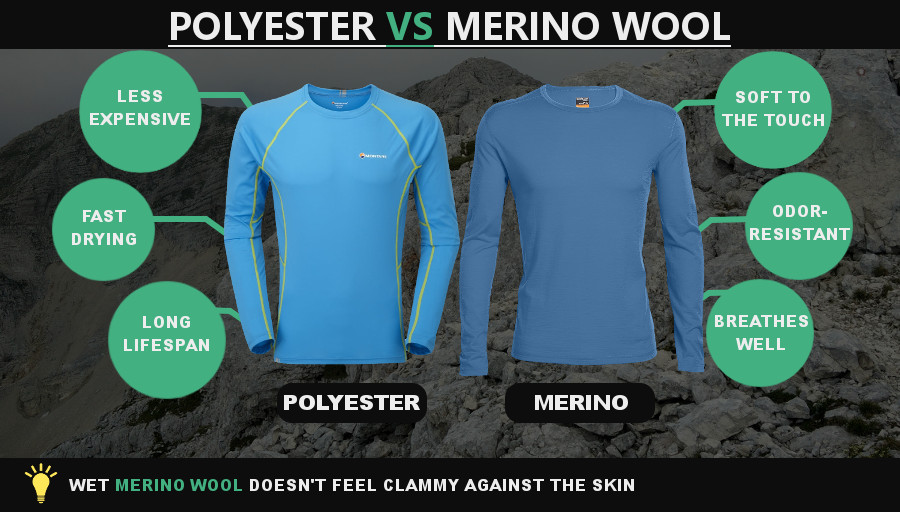
Merino vs. Synthetic
| Feature | Merino Wool | Synthetic (Polyester) |
|---|---|---|
| Odor Resistance | Natural, long-lasting | Chemical coating (washes out) |
| Comfort | Soft, non-itchy | Can feel plasticky |
| Drying Time | Slower (40% slower) | Fast |
| Durability | Moderate (prone to holes) | High |
| Sustainability | Biodegradable | Microplastics |
Verdict: Merino wins for comfort and odor control. Synthetics win for drying speed and price.
Merino vs. Cotton
| Feature | Merino Wool | Cotton |
|---|---|---|
| Moisture Wicking | Excellent | Poor (holds water) |
| Warmth When Wet | Yes | No (dangerous) |
| Odor Resistance | High | Low |
| Drying Time | Moderate | Very slow |
| Weight | Light | Heavier when wet |
Verdict: Cotton kills. Merino wicks. Avoid cotton on hikes—especially in cold weather.
Merino vs. Traditional Wool
| Feature | Merino Wool | Traditional Wool |
|---|---|---|
| Softness | Soft (15–24 microns) | Itchy (up to 40 microns) |
| Weight | Lightweight | Heavy |
| Odor Resistance | Superior | Good |
| Packability | Excellent | Bulky |
Verdict: Merino is the modern evolution of wool—better in every way for hiking.
Final Verdict: Is Merino Worth It?
Yes—for the right use.
Best For:
- Socks: Unbeatable comfort and odor control
- Base layers: Top-tier warmth and moisture management
- Hiking shirts: Ideal for moderate climates and low-pack-friction use
- Multi-day trips: Reduce laundry, pack less, stay fresh
Use With Caution:
- Heavy pack users (risk of holes)
- Hikers in constant rain (slow drying)
- Budget-conscious buyers (higher upfront cost)
The Bottom Line
Merino wool isn’t perfect, but it’s the most balanced performer for hiking apparel. It combines the best of nature and technology—softness, sustainability, and smart function. When durability matters, opt for merino-nylon blends. For ethics, choose RWS-certified brands.
Remember: Cotton kills. Merino wicks. Your next hike deserves better fabric.