
You lace up your boots, step onto the trail, and within minutes, your body begins to change. Hiking isn’t just a walk in the woods—it’s a full-body workout that reshapes your heart, muscles, brain, and metabolism. Whether you’re hiking weekly on local trails or tackling a months-long thru-hike, the effects on your body are profound and measurable.
Research shows that hiking improves cardiovascular health, burns fat, builds muscle, sharpens focus, and even rewires your brain for better mood and sleep. But it’s not all gains: extreme hiking can lead to bone loss, muscle wasting, and overuse injuries if not managed wisely. This article breaks down exactly how hiking changes your body—physically, metabolically, and mentally—based on clinical studies, hiker data, and medical insights.
You’ll learn how your heart gets stronger, why your legs get leaner, what happens to your hormones on long trails, and how nature resets your nervous system. We’ll also cover the risks and how to maximize benefits safely.
Stronger Heart, Lower Blood Pressure
Hiking is one of the best things you can do for your cardiovascular system. It’s aerobic, sustained, and adaptable—making it ideal for heart health.
Reduces Heart Disease Risk by 50%
Regular hikers cut their risk of coronary heart disease in half compared to sedentary people. The sustained effort of climbing hills and covering distance keeps your heart rate in the moderate-intensity zone (50–70% of max), which strengthens the heart muscle over time.
This kind of activity:
– Lowers LDL (“bad”) cholesterol
– Raises HDL (“good”) cholesterol
– Improves blood vessel elasticity
– Reduces arterial stiffness
All of these factors lower your risk of heart attack and stroke. The American Heart Association recommends at least 150 minutes of moderate-intensity exercise per week—easily achieved with three 50-minute hikes.
Lowers Blood Pressure Naturally
Hiking can reduce systolic blood pressure by 4–10 mmHg—as effective as taking a full dose of antihypertensive medication. One study found that just 30 minutes of hiking, 3–5 times per week, led to clinically significant drops in blood pressure within weeks.
Why? Because hiking improves circulation, reduces vascular resistance, and helps regulate stress hormones like cortisol. Even more, hiking in natural environments amplifies this effect. Cool, shaded forests lower sympathetic nervous system activity, helping your body stay in “rest-and-digest” mode.
Pro tip: Combine morning sunlight with a steady climb to maximize blood pressure benefits—your heart will thank you.
Boosts Oxygen Capacity and Endurance

One of the most powerful adaptations from hiking is increased aerobic capacity—measured as VO₂ max.
Increases VO₂ Max by Up to 16%
VO₂ max is the gold standard for cardiovascular fitness. The higher it is, the longer and harder you can exercise before fatigue sets in.
Hiking—especially uphill or at altitude—drives VO₂ max improvements by:
– Increasing mitochondrial density in muscle cells
– Expanding capillary networks for better oxygen delivery
– Strengthening the heart’s stroke volume (amount of blood pumped per beat)
Studies show average gains of 16.3% after consistent endurance training. Thru-hikers often reach VO₂ max levels comparable to elite athletes. One hiker recorded a resting heart rate drop from 48 to 40 beats per minute—a clear sign of a stronger, more efficient heart.
Trains the Body to Burn Fat Efficiently
Long-distance hiking shifts your metabolism toward fat oxidation—meaning your body gets better at using stored fat for fuel.
One hiker tested before and after a 29-day thru-hike:
– Pre-hike: burned 52% fat at 145 bpm
– Post-hike: burned 70% fat at the same heart rate
– Crossover point (where carbs replace fat as primary fuel) shifted from 153 to 168 bpm
This means he could hike longer, harder, and on fewer calories—because his body relied more on its own fat stores. At peak exertion (184 bpm), he still derived 25% of energy from fat, a remarkable metabolic adaptation.
Builds Leg Strength and Core Stability
Hiking is resistance training disguised as recreation. Every step on uneven ground engages muscles in ways flat walking never does.
Activates Glutes, Quads, and Calves
Uphill hiking targets:
– Glutes – primary drivers for powering up inclines
– Quadriceps – work hardest during ascent
– Calves and shins – stabilize with every foot strike
Downhill hiking adds eccentric loading, where muscles lengthen under tension. This builds strength and muscle tone faster than concentric movements.
Result: Hikers often develop “rock-hard” legs, with visible definition in calves and quads—even without gym training.
Engages Core for Balance and Posture
On rocky, root-covered trails, your core works nonstop:
– Abdominals and obliques stabilize side-to-side motion
– Lower back muscles prevent sway and maintain upright posture
– Hip stabilizers correct micro-missteps
Carrying a backpack intensifies this, turning every hike into a functional core workout.
Visual cue: If you’re hiking without wobbling on uneven terrain, your core is doing its job.
Burns Calories and Reduces Body Fat
Hiking burns more calories than walking on flat ground—up to 28% more due to terrain challenges.
Burns 300–992 Calories Per Hour
Calorie burn depends on:
– Incline (steeper = more energy)
– Pack weight (every 10 lbs adds ~10% effort)
– Terrain (rocky, sandy, or muddy paths increase exertion)
A 160-lb person hiking uphill with a 20-lb pack can burn up to 992 calories/hour—nearly double a gym session.
Targets Belly Fat and Lowers Waist-to-Hip Ratio
Hiking reduces visceral fat—the dangerous type stored around organs. One hiker dropped from 13% to 5% body fat over 29 days. Others report losing 100+ pounds primarily through hiking.
Why it works:
– Sustained movement keeps insulin low
– Fat oxidation increases over time
– No spikes and crashes like with short workouts
Result: Trimmed waistlines, flatter stomachs, and better-fitting clothes—even if weight loss is gradual.
Strengthens Bones—But Thru-Hiking Can Weaken Them
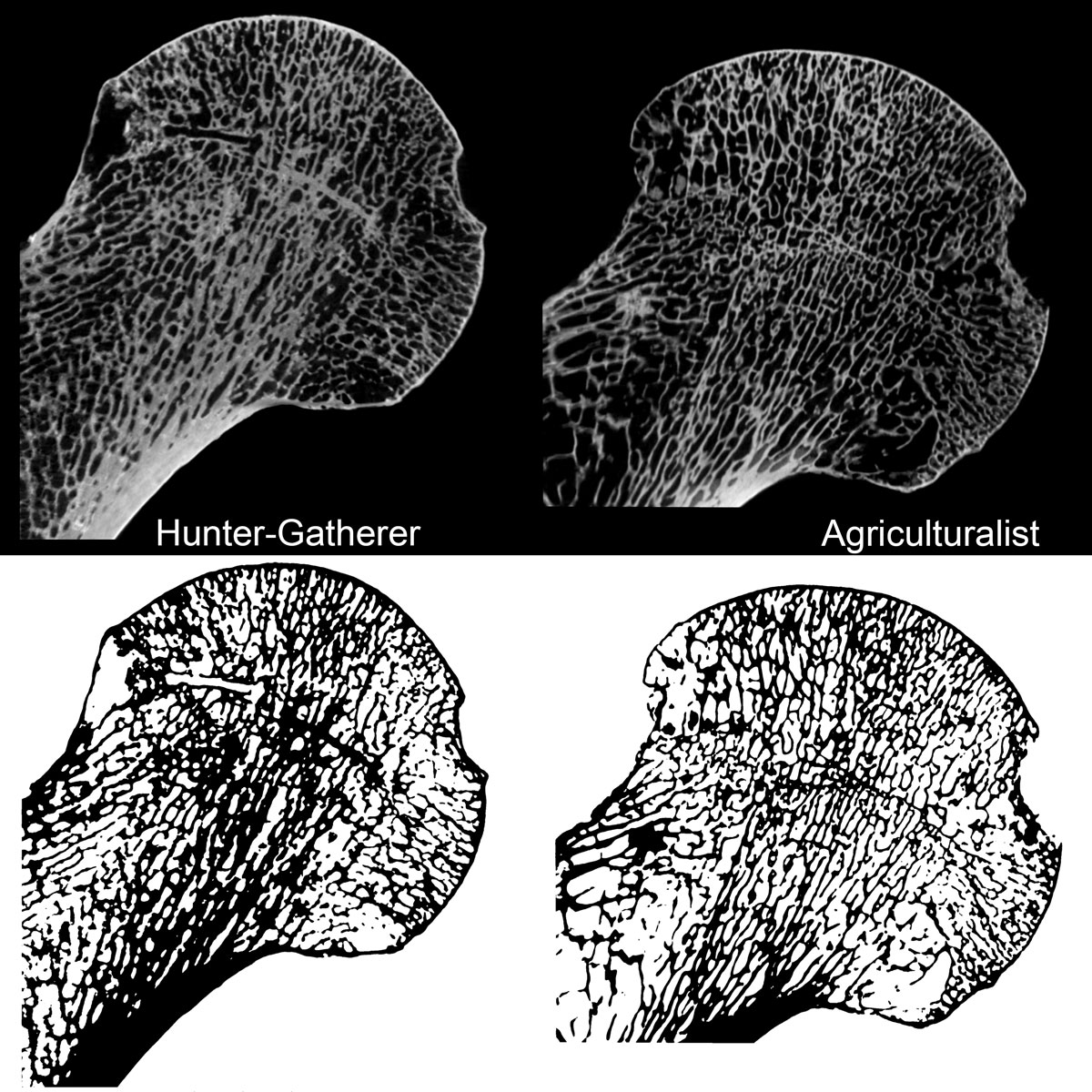
Hiking is weight-bearing, which normally strengthens bones. But extreme hiking tells a more complex story.
Boosts Bone Density in Moderate Use
Walking 1 hour, 3x/week increases spinal bone density by 6% in 9 months—critical for preventing osteoporosis. Backpacks add load, stimulating bone growth in the spine and legs.
Thru-Hiking Causes Temporary Bone Loss
Paradoxically, long-distance hikers often lose bone:
– One PCT hiker lost 8.5% spine bone density in 5 months—equivalent to 20 years of aging
– Others lost 3.8–5% in hips and spine
Why? The body breaks down bone to release calcium during chronic energy deficit. When you burn more than you eat for weeks, your skeleton pays the price.
Good news: Bone density returns to baseline within a year with proper nutrition (calcium, vitamin D, protein) and rest.
Protects Joints and Eases Arthritis Pain
Unlike running, hiking is low-impact and often therapeutic for joint issues.
Less Joint Stress Than Running
- Walking: 3x body weight of force on knees
- Running: 8x body weight
Hiking on soft terrain (dirt, pine needles) further reduces impact. Many with knee or hip arthritis report less pain and stiffness after regular hikes.
Improves Joint Mobility and Function
Hiking maintains range of motion and strengthens supporting muscles. One study found older adults who hiked regularly had:
– Better gait speed
– Improved balance
– Higher functional capacity in daily tasks
Key: Start slow, use trekking poles, and avoid overdoing steep descents if you have joint concerns.
Improves Blood Sugar and Insulin Sensitivity

Hiking is a powerful tool for managing prediabetes and type 2 diabetes.
Lowers A1c and Blood Glucose
One hiker reduced his A1c from 5.9% (prediabetic) to normal range after a month-long hike—despite being active before. Why?
- Muscles absorb glucose without insulin during exercise
- Sustained movement prevents blood sugar spikes
- Improved insulin sensitivity lasts hours post-hike
Best practice: Hike after meals. A 20-minute walk after eating can lower post-meal glucose by 20–30%.
Sharpens Focus and Boosts Brain Health
Hiking doesn’t just work the body—it upgrades the brain.
Enhances Memory and Cognitive Function
Nature hikes increase blood flow to the prefrontal cortex, improving:
– Working memory
– Attention span
– Executive decision-making
Older adults who walk regularly show slower cognitive decline and better recall.
Quiets the Brain’s “Worry Circuit”
MRI scans show that walking in nature reduces activity in the subgenual prefrontal cortex—a region linked to rumination and depression.
Meanwhile, the brain’s default mode network becomes more regulated, reducing negative thought loops.
Result: Clearer thinking, better problem-solving, and mental reset.
Reduces Anxiety and Elevates Mood

Hiking is nature’s antidepressant.
Triggers Natural Mood-Boosting Chemicals
Physical activity releases:
– Endorphins – reduce pain and boost euphoria
– Serotonin – regulates mood and sleep
– Norepinephrine – improves alertness and focus
Combine that with fresh air and greenery, and you get immediate reductions in tension and anxiety—even after a 10-minute hike.
Lowers Cortisol by 40%
Despite physical stress, thru-hikers show 40% lower cortisol levels during long hikes. Why? Nature exposure counteracts mental stress.
Sunlight, natural sounds, and disconnection from digital overload shift the body into parasympathetic dominance—the “rest-and-digest” state.
Pro tip: Aim for 5 minutes of outdoor activity to see measurable mental health benefits.
Improves Sleep and Circadian Rhythm
Hikers often report falling asleep faster and waking up refreshed.
Aligns Your Internal Clock
Morning sunlight on the trail regulates melatonin production, syncing your circadian rhythm. This leads to:
– Earlier sleep onset
– Deeper sleep cycles
– Fewer nighttime awakenings
Physical exertion also raises body temperature during the day, and the cool-down at night promotes sleep initiation.
Note: Poor sleep can occur on long hikes due to cold, noise, or discomfort. Use a good sleeping pad and insulated bag to mitigate this.
Builds Balance and Prevents Falls
Hiking is functional training for real-life stability.
Enhances Proprioception
Uneven terrain forces constant micro-adjustments, training your brain to sense body position. This improves:
– Ankle stability
– Hip control
– Reaction time to slips
Hikers develop better single-leg balance—a key predictor of fall risk in older adults.
Strengthens Foot and Ankle Muscles
Zero-drop hiking shoes encourage natural foot mechanics, strengthening intrinsic foot muscles. This leads to:
– Better arch support
– Reduced overpronation
– Lower risk of plantar fasciitis
Risks: Injuries, Muscle Loss, and Skin Issues
Hiking isn’t risk-free—especially at extreme levels.
Injury Rate Higher Than Marathon Running
- 54% of Appalachian Trail thru-hikers get injured
- 60% of injuries disrupt progress
- 28% are overuse injuries (tendonitis, IT band syndrome)
- 18% are acute (sprains, falls)
Injury risk is double that of marathon runners due to continuous strain, poor recovery, and sleep deprivation.
Prevention: Strengthen legs and core before long hikes. Take rest days. Use trekking poles to reduce knee load.
“T-Rex Syndrome”: Upper Body Muscle Loss
Many thru-hikers lose upper body muscle due to:
– Caloric deficit
– Low protein intake
– Chronic stress
Result: Strong legs, weak arms—hence “T-Rex arms.”
Fix: Eat enough protein (1.2–1.6g/kg body weight). Do bodyweight exercises. Recover properly post-hike.
Foot and Skin Problems
Common issues:
– Blisters and calluses – from friction and moisture
– Fungal infections – athlete’s foot thrives in damp boots
– Sun damage – face, neck, and ears get overexposed
– Ingrown toenails – from constant pressure in boots
Prevention: Wear moisture-wicking socks, break in boots, trim nails, and use sunscreen.
Transforms Lifestyle and Daily Function
The benefits extend far beyond the trail.
Makes Everyday Tasks Easier
Hikers report:
– Climbing stairs without breathlessness
– Carrying groceries effortlessly
– Walking long distances in cities or airports
One user said, “I can hike 20 miles, but now I also feel strong doing laundry.”
Changes Appearance and Confidence
- Clothes fit better due to fat loss and muscle gain
- “Crazy tans” from sun exposure (paler arms, tanned face/neck)
- Disproportionate calves – a common hiker badge of honor
Socially, many report increased confidence, libido, and social ease.
Maximize Benefits, Minimize Risks
The effects of hiking depend on how you do it.
Intensity Matters
- Flat, casual hikes: Mild cardiovascular benefit
- Steep climbs, heavy packs: Full-body transformation
- Thru-hiking: Extreme adaptation—both positive and negative
Frequency and Duration
- Once a week: Minimal fitness change
- 4–5 times/week: Noticeable gains
- Sustained hiking (weeks): Metabolic and hormonal shifts
Support with Nutrition and Recovery
To avoid muscle and bone loss:
– Eat 3,000–5,000+ calories/day on long hikes
– Prioritize protein and healthy fats
– Take rest days
– Rehydrate and replenish electrolytes
Add strength training 2x/week to prevent muscle imbalance.
Final Note: Hiking is one of the most complete forms of exercise available. It strengthens your heart, reshapes your body, sharpens your mind, and calms your nervous system. But like any powerful tool, it must be used wisely. Hike often, eat well, rest fully, and let the trail transform you—safely.