
Imagine standing atop a quiet forest ridge at sunrise, hand in hand with your lifelong partner, the world stretching out before you in golden light. For many older adults, this isn’t just a dream—it’s reality. Elderly couple hiking is more than exercise; it’s a powerful blend of love, wellness, and adventure that redefines aging. Across mountains, woodlands, and coastal trails worldwide, seniors are lacing up their boots and proving that life doesn’t slow down after retirement—it transforms.
Hiking offers older couples a unique way to stay active, deepen their bond, and explore nature together. From the Pacific Northwest to the Scottish Highlands, images of smiling gray-haired partners walking forest paths have become symbols of vibrant aging. This guide dives into how senior couples can safely enjoy hiking, strengthen their relationship, and embrace outdoor adventure—no matter their fitness level or experience. You’ll learn about ideal trails, essential gear, health benefits, and real-life inspiration to help you start your own journey.
Whether you’re new to hiking or returning after years, this article gives you everything you need to make every step count.
Best Hiking Trails for Senior Couples
Choosing the right trail makes all the difference. The best hikes for elderly couples balance scenic beauty with manageable difficulty, safety, and accessibility.
Scenic Forest Paths with Gentle Grades
Forests offer shade, calm, and soft terrain—ideal for low-impact walking. Look for trails with packed dirt or gravel surfaces and elevation gains under 300 feet per mile.
The Multnomah Falls Loop Trail in Oregon is a standout choice—a 2.6-mile loop with paved sections, handrails, and breathtaking waterfall views. It’s popular among older hikers for its safety features and stunning payoff. In England’s Lake District, the Tarn Hows Circular Path offers a flat 1.8-mile loop around a serene lake, perfect for couples who want a peaceful, picturesque walk without strain. Meanwhile, in the Italian Dolomites, the Lago di Braies trail features a gentle 2-mile loop around an alpine lake, complete with benches and panoramic photo opportunities.
Pro tip: Visit during weekdays to avoid crowds and enjoy intimate moments together in nature.
Mountain Viewpoints with Shuttle Access
Some summits offer shuttle services or gondolas, letting couples hike shorter segments while still enjoying panoramic views.
In Switzerland’s Jungfrau Region, take the train to Kleine Scheidegg and then stroll the easy Alpini Trail to see the majestic Eiger face without strenuous climbing. In Austria’s Innsbruck, ride the Nordkette Cable Car to the top, then walk across the Hanging Bridge—a thrilling yet safe experience with dramatic Alpine scenery.
These options reduce joint stress while maximizing the sense of achievement and wonder.
Coastal Walks with Rest Stops
Seaside trails combine fresh air, rhythmic waves, and flat terrain—perfect for romantic strolls.
The Cascade Head Trail on Oregon’s coast offers a moderate 3.5-mile out-and-back hike with sweeping ocean vistas and wildflower-covered meadows. In Scotland, Loch Torridon presents a quiet coastal path through Gaelic-speaking regions, offering solitude and rugged beauty. And in Italy, the Monterosso to Vernazza trail in Cinque Terre—though partly steep—includes handrails, rest areas, and charming cafes where couples can pause and recharge.
Warning: Always check tide schedules and weather before starting a coastal hike. Sudden changes can make seaside paths slippery or inaccessible.
Essential Gear for Older Hikers
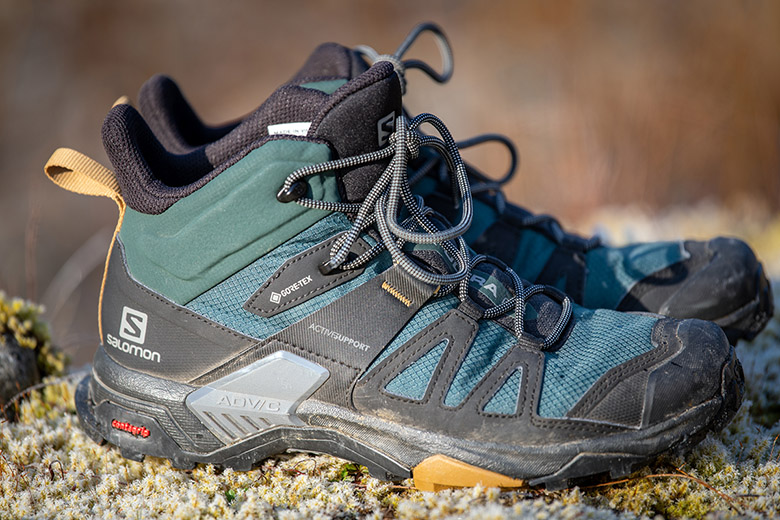
The right equipment boosts confidence, comfort, and safety—especially as joints and balance change with age.
Supportive Hiking Boots
Invest in boots with ankle support, non-slip soles, and cushioned insoles.
Models like the Salomon X Ultra 4 or Merrell Moab 3 are renowned for stability and comfort. Break them in at home before your first hike to prevent blisters. Carry moleskin or blister patches—friction increases during long walks, especially on uneven terrain.
Visual cue: If the sole is worn smooth, replace them. Good traction prevents slips on wet or rocky paths.
Trekking Poles for Balance
Over 70% of senior hikers use poles—they reduce knee strain by up to 25%.
Choose adjustable, lightweight poles with ergonomic grips. Use them on descents to protect your knees and on uneven ground for added stability. Nordic walking poles work well in snow or soft terrain.
Expert note: Practice planting the pole slightly behind you with each step for maximum support and propulsion.
Lightweight Daypacks with Essentials
Carry only what you need—but don’t skip key items.
Pack these must-haves:
– Water (at least 16 oz per person)
– Snacks (nuts, energy bars, fruit)
– First-aid kit (bandages, antiseptic wipes, pain relievers)
– Map or offline GPS app
– Light jacket or rain poncho
– Phone in a waterproof case
– Hand sanitizer and tissues
Time-saving shortcut: Pre-pack a “hiking essentials” kit so you’re always ready.
Health Benefits of Hiking for Seniors

Walking in nature isn’t just enjoyable—it’s medicine for body and mind.
Boosts Heart Health and Mobility
Regular hiking improves circulation, lowers blood pressure, and strengthens leg muscles.
Just 30 minutes, three times a week, reduces cardiovascular risk by 20–30%. Uneven trails engage stabilizing muscles, improving balance and reducing fall risk. Joint-friendly movement helps manage arthritis when done at a moderate pace.
Pro tip: Start with 10–15 minute walks and gradually increase duration.
Enhances Mental Well-Being
Nature has a calming effect on the brain. Studies show green spaces reduce stress hormones like cortisol.
Hiking together encourages conversation, laughter, and emotional connection. Mindful walking—focusing on breath, sounds, and scenery—acts as moving meditation. Reaching a summit or completing a trail builds confidence and purpose.
Real-life impact: One couple reported, “We feel ten years younger after every hike.”
Supports Cognitive Function
Outdoor activity stimulates memory, focus, and problem-solving skills.
Navigating trails keeps the brain active. Birdwatching or identifying plants adds mental engagement. Social interaction during group hikes delays cognitive decline.
Warning: Avoid overexertion. If talking becomes difficult, slow down.
Romantic Hiking Moments That Strengthen Bonds
Shared experiences build intimacy—and hiking creates lasting memories.
Sunset Hikes for Two
Golden hour turns ordinary trails into magical escapes.
Find west-facing paths like Columbia River Gorge (Oregon) or Lake Lugano (Switzerland). Bring a thermos of tea or cocoa to sip at the viewpoint. Hold hands as the sky changes color—simple, powerful connection.
Photo idea: Take a selfie with the setting sun behind you. It becomes a cherished keepsake.
Hand-Holding on Narrow Trails
Physical touch releases oxytocin, the “love hormone.”
On log crossings or rocky sections, hold hands for support—and stay connected emotionally. Even brief touches boost feelings of security and affection.
One couple said: “We’ve walked thousands of miles together. Every step reminds me why I married her.”
Quiet Breaks Under the Trees
Sit side-by-side on a log, share snacks, and just breathe.
Use these pauses to talk, reflect, or enjoy silence together. Try a “gratitude moment”—each person shares one thing they appreciate about the day.
Expert note: These small rituals deepen emotional intimacy over time.
Hiking with Grandkids and Pets
Expand the joy by including family and furry friends.
Intergenerational Trail Adventures
Hiking with grandchildren fosters bonding and teaches respect for nature.
Choose short, fun trails with features like bridges, streams, or wildlife. Let kids lead sometimes—it builds confidence and keeps them engaged. Bring binoculars for birdwatching or a small magnifying glass to examine leaves and insects.
Safety first: Keep younger children between adults on narrow paths.
Bringing Dogs Along
Many senior couples hike with loyal companions.
Ensure your dog is fit and vaccinated. Bring extra water and a collapsible bowl. Stick to pet-friendly trails—check local rules first.
One image shows: A gray-haired couple smiling as their golden retriever sniffs wildflowers—pure joy in motion.
Seasonal Hiking Tips for Year-Round Fun

Nature changes with the seasons—and so should your hiking plan.
Autumn: Peak Beauty, Cooler Temps
Fall is the most popular season for senior hikers.
Crisp air makes breathing easier. Vibrant foliage creates unforgettable backdrops. Trails are less crowded than in summer.
What to wear: Layer up—light sweater, windbreaker, hat.
Best trails: Forests in New England (USA), Scottish Highlands, or Japan’s Kyoto mountains.
Winter: Snowy Serenity with Caution
Cold-weather hiking is peaceful—but requires preparation.
Use microspikes or ice grips on boots for icy patches. Wear thermal layers, gloves, and a warm hat. Stick to well-maintained or packed-snow trails.
Try this: Nordic walking in Austria or gentle snow hikes in Switzerland’s Engadin Valley.
Spring and Summer: Lush Landscapes, Hydration Needed
Greenery bursts to life—but heat can be risky.
Hike early in the morning to avoid midday sun. Wear breathable clothing and a wide-brimmed hat. Drink water every 15–20 minutes, even if not thirsty.
Avoid: Strenuous hikes on hot days. Opt for shaded forest trails instead.
Safety Tips Every Senior Hiker Should Know
Prevention is key. A few smart habits keep you safe and confident.
Check Weather Before You Go
Sudden storms can turn safe trails dangerous.
Use apps like AccuWeather or Windy for real-time updates. Postpone if thunderstorms, high winds, or extreme heat are forecast.
Red flag: Dark clouds or distant thunder mean it’s time to turn back.
Never Hike Alone
Even short walks are safer with a partner.
If one person slips, the other can get help. Two people can share gear and decision-making.
Rule of thumb: Tell someone your route and expected return time.
Know When to Turn Back
Pride shouldn’t override safety.
If either of you feels dizzy, short of breath, or unsteady, stop and rest. It’s okay to cut a hike short. There’s always next time.
Common mistake: Pushing through pain to reach the summit. Listen to your body.
How to Start Hiking as a Retired Couple
Beginning a new habit can feel intimidating—but it doesn’t have to be.
Start Small: Walk Local Parks First
Build confidence on familiar ground.
Begin with 10–15 minute walks in nearby green spaces. Gradually increase distance and terrain difficulty. Use park trails as practice for longer hikes.
Success story: A couple in their 70s started at Valldemosa Park (Spain) and now hike the Pyrenees.
Join a Senior Hiking Group
Community adds motivation and friendship.
Look for local Meetup groups or outdoor clubs for retirees. Organizations like Sierra Club’s Senior Outings or Ramblers (UK) offer guided walks. Group hikes provide built-in support and social connection.
Bonus: You’ll meet others who share your pace and interests.
Set Shared Goals
Create meaningful reasons to keep going.
- “Hike one new trail each month.”
- “Reach the top of our favorite mountain by spring.”
- “Take a hiking vacation in the Alps.”
Goals give purpose—and something to celebrate together.
Hiking as a Retirement Lifestyle
For many, hiking isn’t just an activity—it’s a way of life.
Retirement Road Trips with a Trail Map
Combine travel with adventure.
Plan van trips or scenic drives with stops at national parks. One couple toured the American Southwest, hiking in Zion, Sedona, and the Superstition Mountains. Use apps like AllTrails to find senior-friendly routes.
Pro tip: Book accommodations near trailheads to minimize driving.
Camping for Couples Over 60
Overnight trips deepen the experience.
Start with car camping—easy access and comfort. Bring a two-person tent, sleeping pads, and a portable camp chair. Cook simple meals and stargaze together.
Memory-maker: Waking up to birdsong and sharing coffee under pine trees.
Elderly couple hiking is not about conquering peaks—it’s about sharing the path. It’s hand-holding on a mossy trail, laughing over a dropped granola bar, watching the sunset after a quiet climb. It’s staying strong, staying close, and staying curious. With the right preparation, gear, and mindset, any couple can turn hiking into a joyful, lifelong adventure.
Start small. Stay safe. Keep walking—together.
Because the best views come after the first step.