
There’s a unique kind of freedom found on the trail when you’re hiking alone—no compromises, no schedules, just you and the rhythm of your breath on the path. For women, solo hiking is more than recreation; it’s an act of reclamation. It’s stepping into strength, silence, and self-reliance in a world that often tells us to stay small, stay safe, and stay accompanied. Yet the truth is this: female solo hiking is not only safe—it’s transformative.
With the right preparation, the wilderness becomes one of the most empowering spaces a woman can occupy. Thousands of women hike solo every day, navigating trails from local forest paths to remote backcountry routes. They do so not because they’re fearless, but because they’ve learned to replace fear with readiness. This guide is for anyone who’s ever hesitated at the trailhead, wondering if she’s “safe enough” or “strong enough” to go alone. You are. And with practical strategies for safety, gear, and mindset, you’ll learn how to hike with confidence—on your own terms.
Replace Fear with Preparedness
Fear doesn’t mean you shouldn’t go—it means you should prepare. The most experienced solo female hikers aren’t fearless; they’re fear-intelligent. They acknowledge their concerns and respond with action. Start by writing down your fears: What if I get lost? What if someone follows me? What if I get injured? Then, for each, write a solution: I’ll carry a GPS and offline maps. I’ll share my location. I’ll pack a full first-aid kit.
This turns anxiety into agency. You’re not denying risk—you’re managing it. And statistically, the trail is far safer than many urban environments. Most hikers are there for peace, not harm. Your confidence grows not from ignoring fear, but from knowing you’re equipped to handle it.
Trust Your Intuition, Not Just Your Fear
There’s a difference between fear and intuition. Fear is loud and emotional—often based on worst-case stories. Intuition is quiet and observational—your body noticing subtle cues. It’s the hiker behind you who keeps changing pace. It’s the off-trail path that feels too isolated. When your gut says something’s off, listen. Change your route. Leave early. Turn around.
One thru-hiker put it best: “Turnaround is not failure. It’s wisdom.” There’s no trophy for finishing a hike if your safety is compromised. Your instincts are your most valuable survival tool—train yourself to trust them without apology.
Start Small to Build Real Confidence
You don’t need to hike 20 miles on your first solo trip. Begin with a 2–3 mile loop you’ve done before—just this time, go alone. Hike on a weekend when others are around. Keep your phone charged and your plan shared.
Each solo mile builds confidence. Once comfortable, extend your distance, try new trails, then attempt an overnight. Some women practice by hiking behind a group during a meetup—enjoying solitude while staying near others. Progress isn’t linear, but consistency builds courage.
Choose Trails That Support Your Safety

Your first solo hikes should prioritize familiarity, visibility, and traffic. Pick trails that are:
– Well-marked with clear signage
– Frequently used (especially on weekends)
– Within cell range or near ranger stations
– Accessible in daylight (start and finish before dark)
Avoid remote, poorly maintained, or isolated routes until you’ve gained experience. If you’ve hiked it with others before, you already know the terrain—that’s a huge advantage.
Hike During Peak Hours—Especially at First
Daylight hikes on weekends or holidays mean more people on the trail. Avoid dawn, dusk, or midweek hikes initially, when trails are emptier. As your skills grow, you can explore off-peak times, but early on, use crowd presence as a natural safety net.
And don’t fall into a routine. If you hike the same trail every Tuesday at 8 a.m., someone might notice. Vary your days, times, and locations to avoid predictability.
Share Your Plan—Every Single Time
This is non-negotiable. Before every solo hike, tell a trusted contact:
– Trail name and exact route
– Parking location and vehicle details
– Start time and expected return
– Emergency contacts and backup plans
Choose someone who will actively check in—not just passively read your text. Never rely on “Heading out!” without confirmation.
For longer hikes, use a satellite communicator like Garmin inReach Mini, Zoleo, or SPOT. These devices send GPS pings and allow two-way messaging—even without cell service. Set up automatic check-ins or message at key waypoints. Test your device before you go.
Stay Aware Without Living in Fear
Keep your ears free. Avoid headphones—music blocks critical sounds like approaching footsteps or voices. If you must listen, use one earbud at low volume or a speaker clipped to your pack.
Glance behind you occasionally. Note other hikers’ pace and behavior. Are they matching your speed? Lingering? Trust your observations.
Use behavioral tactics to project confidence: walk with purpose, stand tall, make brief eye contact. If you want to appear less alone, call out casually: “Coming, Max!” or “Wait up!”—even if you’re solo. This deters potential threats by suggesting you’re with someone.
Pack Smart: The Ten Essentials Plus Extras
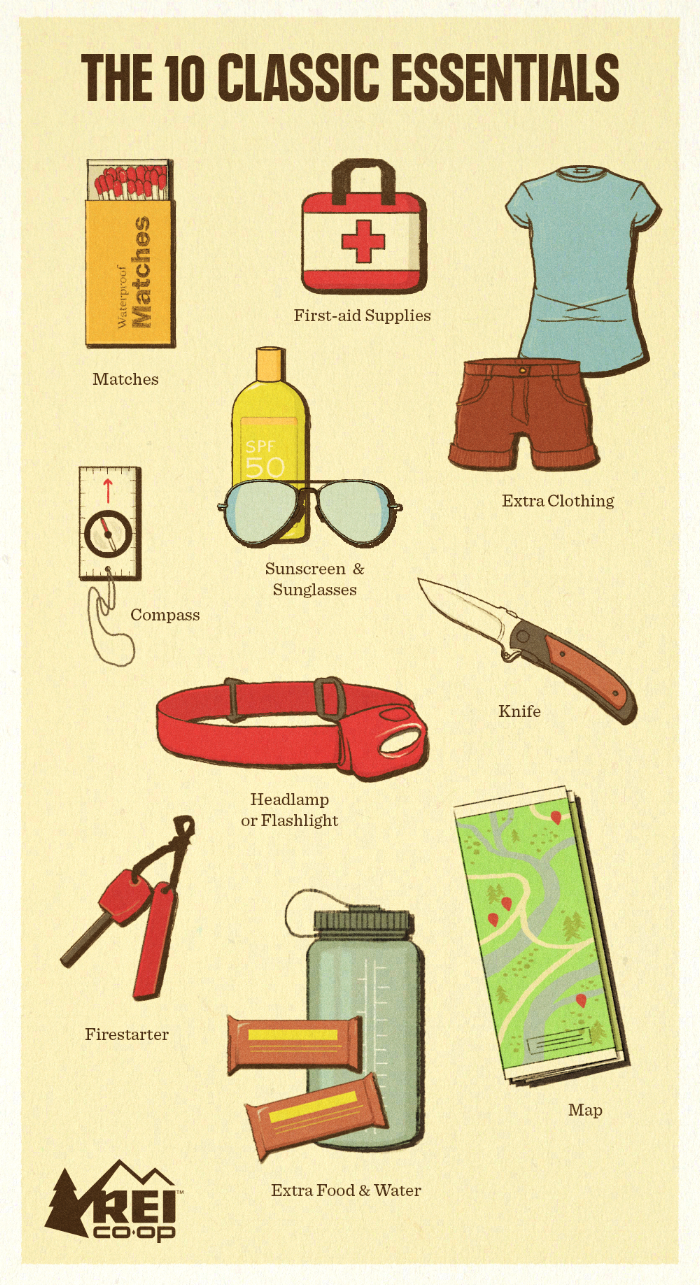
Solo hikers must be self-reliant. Carry the Ten Essentials—and then overprepare:
- Navigation: Paper map, compass, GPS with offline maps
- Sun protection: Hat, sunglasses, sunscreen
- Insulation: Extra layers (rain jacket, fleece, gloves)
- Illumination: Headlamp + spare batteries
- First-aid kit: Include blister care, antiseptic, meds
- Fire: Lighter, waterproof matches
- Repair kit: Multi-tool, duct tape
- Nutrition: Extra food (one full meal minimum)
- Hydration: 2+ liters + filter/purifier
- Emergency shelter: Bivy, tarp, or space blanket
Solo hikers should carry more food, water, and medical supplies than with a group—because there’s no backup.
Communication and Safety Tools That Work
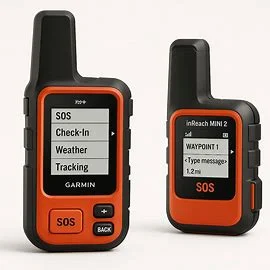
- Smartphone: Download offline maps (AllTrails, Gaia GPS)
- Power bank: Keep devices charged
- Satellite messenger: For SOS and check-ins in remote areas
- Whistle: Built into most packs; use to signal distress
For personal safety:
– Pepper spray: Keep accessible on chest strap
– Bear spray: Effective in bear country; check rules before using on humans
– Personal alarm: Devices like She’s Birdie emit 130+ dB noise
– Flashlight with strobe: Can disorient an aggressor
– Tactical pen or knife: Useful for gear repair
Training matters. Practice deploying your spray or alarm under stress.
Dress to Blend In, Not Stand Out
Avoid attention-grabbing clothing. Opt for:
– Neutral-colored hiking pants or zip-offs
– Loose, moisture-wicking tops
– Sturdy boots with ankle support
– No jewelry, perfume, or revealing outfits
Androgynous or utilitarian gear helps you blend in. Some women wear hats, sunglasses, or face markings to reduce facial recognition. Others use voice-activated recording apps to document trail interactions—personal choices that boost peace of mind.
Handle Trail Interactions with Calm and Clarity
You’ll likely hear: “You’re brave to be out here alone.” Smile and say, “Beautiful day for a hike!” Avoid engaging with the implied vulnerability. Never disclose you’re solo.
If someone lingers or asks invasive questions:
– Keep walking
– Respond politely but briefly
– Move to an open area if uncomfortable
– Use a loud voice: “I’d prefer to keep moving.”
If someone becomes aggressive:
– Activate your alarm or whistle
– Spray if necessary
– Retreat immediately—even if it means turning back
Your safety is more important than finishing the trail.
Hike with a Dog for Added Security and Joy
Even small dogs act as natural deterrents. They also:
– Provide companionship
– Detect people or animals before you do
– Offer warmth in emergencies
Best practices:
– Use a 4-foot waist leash for control
– Train your dog to respond to commands
– Carry extra food, water, and waste bags
– Check trail rules—some require leashes or ban dogs
No dog? Borrow one from a friend or volunteer with a shelter. Many offer “hiking buddy” programs.
Prepare for Wildlife and Weather Like a Pro
Prevent wildlife encounters:
– Make noise while hiking—talk, clap, sing
– Carry bear spray in bear country (required in Yellowstone, Glacier)
– Store food properly—200 feet from camp, in bear canisters
– Never eat or store scented items in your tent
Know how to respond:
– Black bear: Fight back
– Grizzly: Play dead
– Mountain lion: Appear large, maintain eye contact, fight back
For weather:
– Check forecasts before leaving
– Carry rain gear and insulation—even on sunny days
– Avoid extreme heat; carry extra water
– Know sunset time and finish before dark
Build Skills Before You Go
Invest in your safety:
– Wilderness First Aid (WFA): Treat blisters, sprains, cuts
– Navigation class: Learn map, compass, GPS use
– Self-defense course: Krav Maga or women-specific programs
– Orienteering or survival skills: Fire, shelter, water sourcing
Practice setting up your tent, using your stove, and filtering water at home.
Train physically: hike with a weighted pack, build endurance, strengthen core and legs. Fitness reduces injury risk and boosts confidence.
Manage Personal Care with Confidence
For menstruation:
– Use your preferred method—tampons, pads, or cup
– Pack out used products in sealed, odor-proof bags (double-ziplock + dog waste bag)
– Avoid scented products that attract animals
For hygiene:
– Bury waste 6–8 inches deep, 200 feet from water
– Use hand sanitizer or biodegradable soap
– Pack out all wipes and toilet paper
– Use a PStyle for standing urination—reduces exposure
Join a Supportive Community
You’re not alone. Connect with:
– r/womensolocamping – Reddit community for advice and stories
– Facebook hiking groups – Local and national
– Meetup.com – Find women’s hiking events
– REI Outdoor School – Classes and guided trips
Try women-only programs like Appalachian Mountain Club (AMC) or REI Adventures—safe spaces to learn and grow.
Know the Rules and Respect the Land
Check local laws:
– Pepper spray legality by state and park
– Firearm permits and concealed carry rules
– Bear canister requirements (e.g., Sierra Nevada)
– Camping and parking permits
Follow Leave No Trace:
1. Plan ahead
2. Stick to durable surfaces
3. Pack out all waste
4. Leave natural objects
5. Minimize fire impact
6. Respect wildlife
7. Be considerate of other hikers
Final Steps: Your First Solo Hike Checklist
- Pick a short, familiar trail – 2–3 miles, daylight only
- Tell someone your plan – Include return time
- Pack the Ten Essentials + phone + power bank
- Carry pepper spray or alarm
- Wear functional clothing
- Leave a note on your car – “Hiking Trail X, back by 4 PM”
- Celebrate afterward – You did it!
Final Note: Female solo hiking isn’t about eliminating risk—it’s about managing it with intelligence and courage. With preparation, the trail becomes a space of empowerment, not fear. You don’t need to be fearless. You just need to be ready. The world is worth the risk. And the first step is yours to take.
“The girl who goes alone says with her body the world is worth the risk.”
— Elisabeth Austen