
Sitting in your car at dusk can become stressful if you do not know how to turn on headlights. You might twist a knob or flip a lever only to see parking lights instead of the bright beams you need for safety.
This guide explains exactly where your controls are located and what every dashboard symbol means. You will learn to activate low and high beams manually or use automatic systems with total confidence.
Locate Your Headlight Control Mechanism
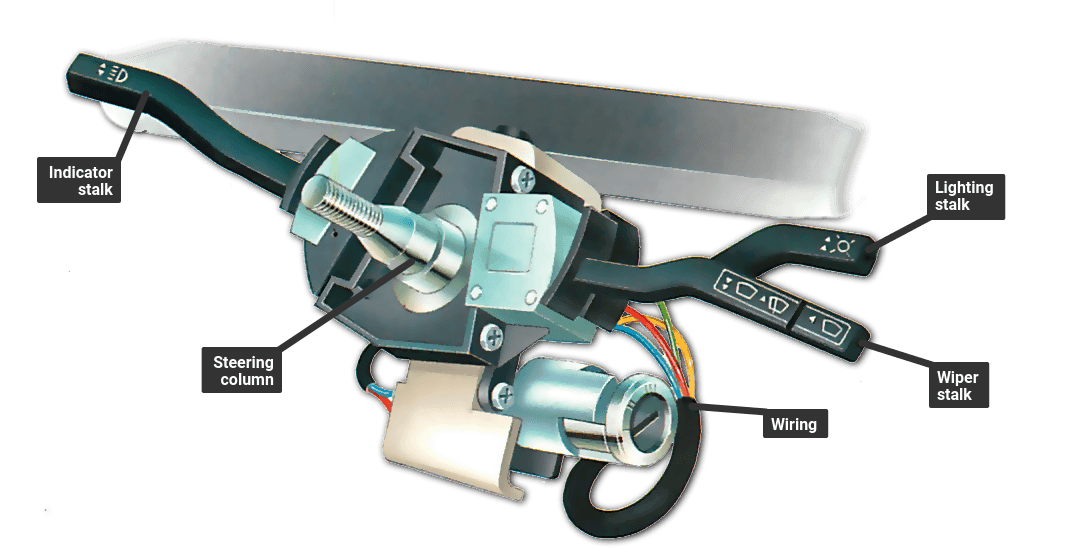
Finding the correct switch is the first step to illuminating your path. Most vehicles place this control on the left side of the steering column as part of a multi-function lever.
Find the Steering Column Lever or Dashboard Dial
Look for a rotating knob at the end of the lever on your left. Some cars use a standalone rotary dial on the dashboard near your left knee. European and luxury models often prefer the dashboard dial layout.
Identify Automatic Headlight Settings
Many modern cars feature an “Auto” position on the dial. This setting uses a sensor near the windshield to turn lights on when it gets dark. You must still know how to override this system if the sensor fails.
Decode Headlight Symbols and Modes

Your control dial uses universal icons to represent different lighting functions. Learning these symbols prevents confusion when you need light quickly.
Understand the Off and DRL Positions
The “0” or a circle with a slash means all exterior lights are off. The next position often activates Daytime Running Lamps (DRL). These improve daytime visibility but do not turn on rear tail lights.
Differentiate Parking Lights from Low Beams
Parking lights show two small outward-facing icons and emit dim orange front light with red rear light. The low beam symbol shows a headlight with lines angling downward. Use low beams for actual driving in the dark.
Recognize High Beam and Fog Light Icons
High beams display straight horizontal lines and usually trigger a blue dashboard indicator. Fog lights show a wave pattern through the beam lines. These are for severe weather only and should not replace standard headlights.
Activate Headlights With Manual Controls
Follow this precise sequence to ensure your vehicle is properly lit for night driving conditions.
Execute the Manual Turn-On Procedure
- Start with the control dial in the “Off” position.
- Rotate the knob clockwise until the low beam symbol aligns with the marker.
- Check your dashboard for a green headlight icon to confirm activation.
- Verify that both front and rear lights are shining brightly.
Switch Between Low and High Beams
Push the turn signal lever forward away from you to engage high beams. A blue light will appear on your instrument cluster. Pull the lever back toward you to return to low beams.
Deactivate All Exterior Lights
Rotate the dial counter-clockwise until it clicks back to the “Off” position. Ensure no green or blue indicators remain lit on your dashboard. This prevents battery drain when parked.
Utilize Automatic Headlight Systems Effectively

Automatic systems offer convenience but require driver awareness to function safely in all conditions.
How Auto Mode Detects Darkness
The system relies on a photoelectric sensor typically located near the rearview mirror. It measures ambient light and activates headlights when levels drop below a certain threshold.
Know When to Override Auto Settings
Sensors can be slow to react when entering tunnels or driving under bridges. Manually switch to low beams immediately if you feel visibility dropping before the auto system responds.
Maintain Sensor Accuracy for Best Results
Keep the windshield area near the sensor clean from dirt and snow. Blocked sensors may fail to turn on your lights when you need them most during twilight hours.
Troubleshoot Headlights That Won’t Turn On
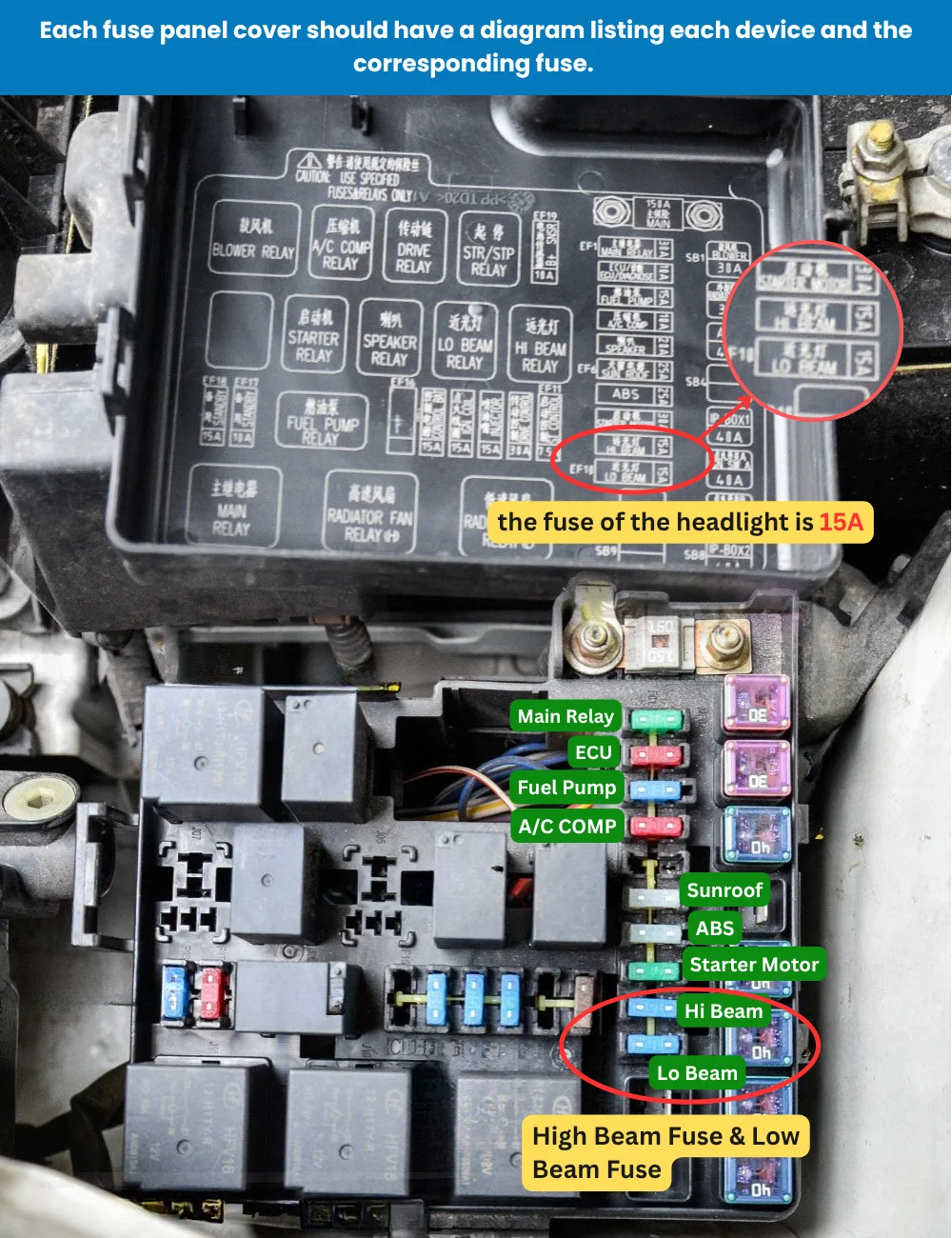
If your lights fail to activate check these common issues before calling for professional mechanical assistance.
Verify Control Positions and Dashboard Warnings
Ensure the dial is not stuck between parking and headlight modes. Look for an exclamation mark or an “X” over the light symbol on your dash which indicates a bulb failure.
Inspect Bulbs Fuses and Wiring Connections
Open your hood to check if filaments inside the bulbs are broken. Locate your fuse box to see if the headlight circuit fuse has blown. Check for loose wires at the bulb sockets.
Clean Obstructed Light Sensors
Wipe the exterior windshield area where the light sensor resides. Dust mud or ice covering this spot can prevent automatic headlights from turning on at dusk.
Avoid Common Headlight Usage Mistakes
Misusing your lighting system can endanger yourself and others on the road while violating traffic laws.
Stop Using High Beams in Traffic
High beams blind oncoming drivers and those you are following. Switch to low beams immediately when you are within 500 feet of another vehicle to prevent accidents.
Never Drive With Only Parking Lights
Parking lights are too dim to illuminate the road ahead safely. Using them while driving at night is illegal in most places and drastically increases crash risk.
Prevent Battery Drain From Forgotten Lights
Leaving headlights on with the engine off can kill your battery in as little as five hours. Always double-check that your lights are off before leaving your vehicle parked.
Adapt Lighting to Driving Conditions
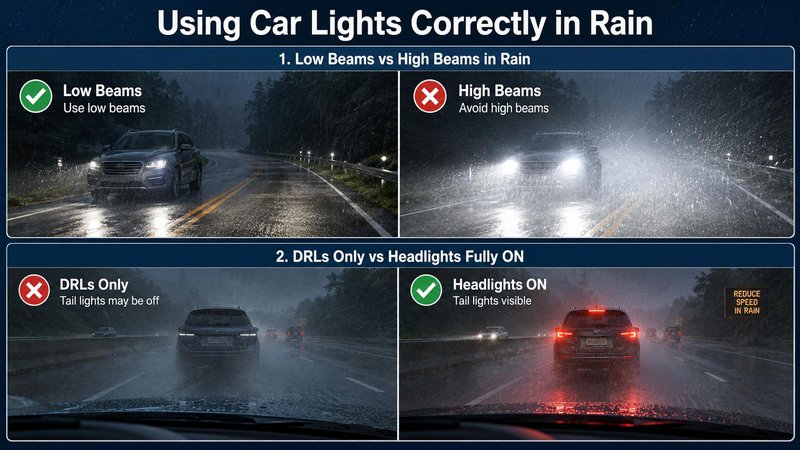
Adjusting your lights based on the environment ensures maximum visibility without creating hazards for others.
Navigate City Streets and Urban Areas
Use low beams exclusively in cities where streetlights provide ambient illumination. High beams are unnecessary here and will glare off signs and other cars.
Drive Safely on Rural Roads at Night
Engage high beams on dark country roads with no oncoming traffic. Dim to low beams the moment you see headlights or taillights in the distance.
Handle Tunnels Fog and Heavy Rain
Turn on low beams manually before entering tunnels to avoid momentary blindness. In fog turn off high beams and use fog lights if equipped to reduce glare reflection.
Frequently Asked Questions About Turning On Headlights
Why won’t my headlights turn on even when I twist the dial?
Check if your dial is set to “Off” or if a fuse has blown. A burnt-out bulb or faulty switch could also prevent the system from activating properly.
What does the blue light on my dashboard mean?
The blue indicator means your high beams are currently active. You should switch back to low beams if there is any traffic ahead or approaching you.
Can I use Daytime Running Lamps for night driving?
No DRLs do not activate tail lights and lack sufficient brightness for darkness. You must switch to low beam headlights for safe night driving.
How do I turn on fog lights on my car?
Fog lights often require a separate button or pulling the headlight lever upward. Consult your owner’s manual for the specific activation method for your model.
Will automatic headlights work in a tunnel?
They should but sensors may lag slightly. It is safer to manually turn on your low beams as you approach a tunnel entrance to ensure immediate illumination.
How long before headlights drain my car battery?
Leaving headlights on with the engine off can drain a healthy battery in about five hours. Always verify lights are off to avoid being stranded with a dead battery.
Key Takeaways for Learning How to Turn On Headlights
Mastering your lighting system ensures you can drive safely in any condition. Remember to use low beams for general night driving and reserve high beams for dark open roads.
Always verify your dashboard indicators show the correct status before moving. Take a moment today to locate your controls and practice switching between modes so you are ready when darkness falls.