
Watching a small trailer unfold into a cozy living space feels like witnessing a clever piece of engineering magic. Tent trailers, also called pop-up campers, deliver the comfort of a small camper without the bulk or fuel costs of larger RVs. But how does a tent trailer work in practice? It combines a rigid trailer base with a collapsible roof and canvas walls that expand vertically and horizontally once parked. This design lets you tow it like a compact trailer but live in it like a mini cabin. In this guide, you’ll discover how the lifting mechanism operates, how to set up and pack down efficiently, and how utilities like power, water, and propane keep you comfortable on the road.
The Core Lifting Mechanism Explained
The heart of any tent trailer lies in its mechanical lifting system. When collapsed, the unit sits low and aerodynamic for towing. When raised, the roof lifts to create headroom, and canvas walls unfold to form sleeping and living areas.
Manual vs Electric Roof Lift
Most tent trailers rely on a manual crank system—a hand-operated handle that turns a series of pulleys and cables to raise the roof. This method is fast, reliable, and doesn’t depend on battery power. Turn the crank clockwise, and the roof rises smoothly in under a minute.
Some newer models feature electric lift systems, where a motorized mechanism raises the roof at the push of a button. While convenient, electric lifts are slower and require a charged battery. They’re also more complex to repair in remote areas.
The Whiffle Tree: Load Distribution Hub
At the center of the lifting system sits the whiffle tree—a metal plate mounted beneath the trailer that connects all lifting cables. It ensures even tension distribution across each cable point, preventing the roof from tilting or binding during operation. The whiffle tree attaches to the crank mechanism and transfers force equally to all corners. If one cable is loose or damaged, the roof may rise unevenly, so regular inspection is critical.
Step-by-Step Tent Trailer Setup
Setting up a tent trailer typically takes 10 to 15 minutes and can be done solo, though two people make it faster and safer.
Pre-Leveling and Stabilization
Before disconnecting from your tow vehicle:
• Back onto wheel blocks to level side to side
• Use wheel chocks on the low side to prevent rolling
• Check levelness with a bubble level placed on the trailer roof
• Adjust the tongue jack to level front to back
• Extend corner stabilizer jacks until snug, never use them to lift the trailer
Unlocking and Raising the Roof
• Unlatch all four roof locks before cranking
• Insert the crank handle into the mechanism (this is the one tool you absolutely cannot lose)
• Turn clockwise slowly until the roof begins to rise
• Stop when the green tension cable becomes taut, which signals full extension
• Avoid overtightening, as it can damage cables or the whiffle tree
Deploying Bed Ends and Supports
• Pull bed ends outward until fully extended
• Install support poles from the bumper to the ceiling receivers
• Insert roof support beams under the bed frames for added stability
• Attach side safety supports as backups in case of cable failure
• Use two people when possible: one inside pushing, one outside pulling
Installing the Door and Sealing the Tent
• Remove the door from storage and slide it into the track
• Lock side and top latches securely
• Velcro the canvas around the door frame on both sides for a weather-tight seal
• Pull down canvas walls over bed ends and secure with Velcro straps
• Tighten tension cords to prevent flapping and wrinkles
Utilities and Onboard Systems

Once the structure is up, it’s time to power up and get comfortable.
Electrical System Operation
• Plug in the 30-amp power cord to a campground outlet
• Verify the correct receptacle type, since using the wrong one can damage appliances
• For air conditioners (if equipped): plug its dedicated cord into the roof outlet before raising the roof
• The onboard 12-volt battery powers lights and water pump and charges via tow vehicle or shore power
Water System Setup
With city water hookup:
• Connect a white RV drinking water hose (never a garden hose)
• Use a brass pressure regulator to prevent over-pressurization
• Water drains directly, since there’s no grey tank, so place a bucket or drain hose under the sink
Using the onboard freshwater tank:
• Fill the tank until water overflows from the vent
• Turn on the water pump (usually under the converter box)
• Use the tank faucet setting inside the camper
Propane Appliance Use
Always turn on the propane tank before use.
Refrigerator: Can run on 110V, 12V, or propane. For propane mode, turn the knob to high, press and hold, ignite the pilot, watch for a blue flame in the sight glass, hold 10–15 seconds, then release.
Furnace and water heater: Slide the thermostat to on; the furnace activates automatically. For the water heater, light the pilot, hold the plunger, ignite, and wait 10–15 minutes for hot water.
Stove and grill: Turn the burner to light and ignite with an igniter or lighter. For the outdoor grill, connect the quick-disconnect fitting, turn on propane, light, and turn off when not in use.
Tear-Down: Packing Up Safely
Packing down reverses the setup process, but with critical safety checks built in.
Lowering the Roof and Stowing Components
• Remove the door and secure it in storage brackets
• Loosen canvas and remove support poles
• Release tension straps under bed ends
• Push bed ends inward (check for obstructions if resistance occurs)
• Crank the roof down halfway, then tuck in loose fabric to prevent bunching
• Continue cranking and re-tuck as needed
• Latch all four roof locks when fully down
Final Pre-Travel Safety Check
• Disconnect power cord, water hose, and propane lines
• Turn off the propane tank
• Raise all stabilizer jacks
• Ensure the door is locked and latches are secured
• Verify the hitch is properly connected to the tow vehicle
Maintenance for Long-Term Reliability

Proper care keeps your tent trailer dependable for years.
Lubricating Cables and Pulleys
• Grease cables and pulleys every 1–2 years
• Use marine-grade or silicone-based grease
• Clean old grease first, then apply new lubricant
• Prevents fraying and ensures smooth operation
Inspecting the Whiffle Tree and Cables
• Check for cracks, loose bolts, or misaligned cables
• Ensure each cable runs through its correct hole
• Replace worn parts immediately
Canvas and Fabric Care
• Clean and dry canvas before storage to prevent mold
• Inspect cuffed pockets and stress points for tears
• Use patch kits for small rips; don’t let them worsen
Propane System Safety Checks
• Test for leaks with soapy water (bubbles mean a leak)
• Inspect hoses and connections before each trip
• Ensure all appliances light and function properly
Towing Best Practices
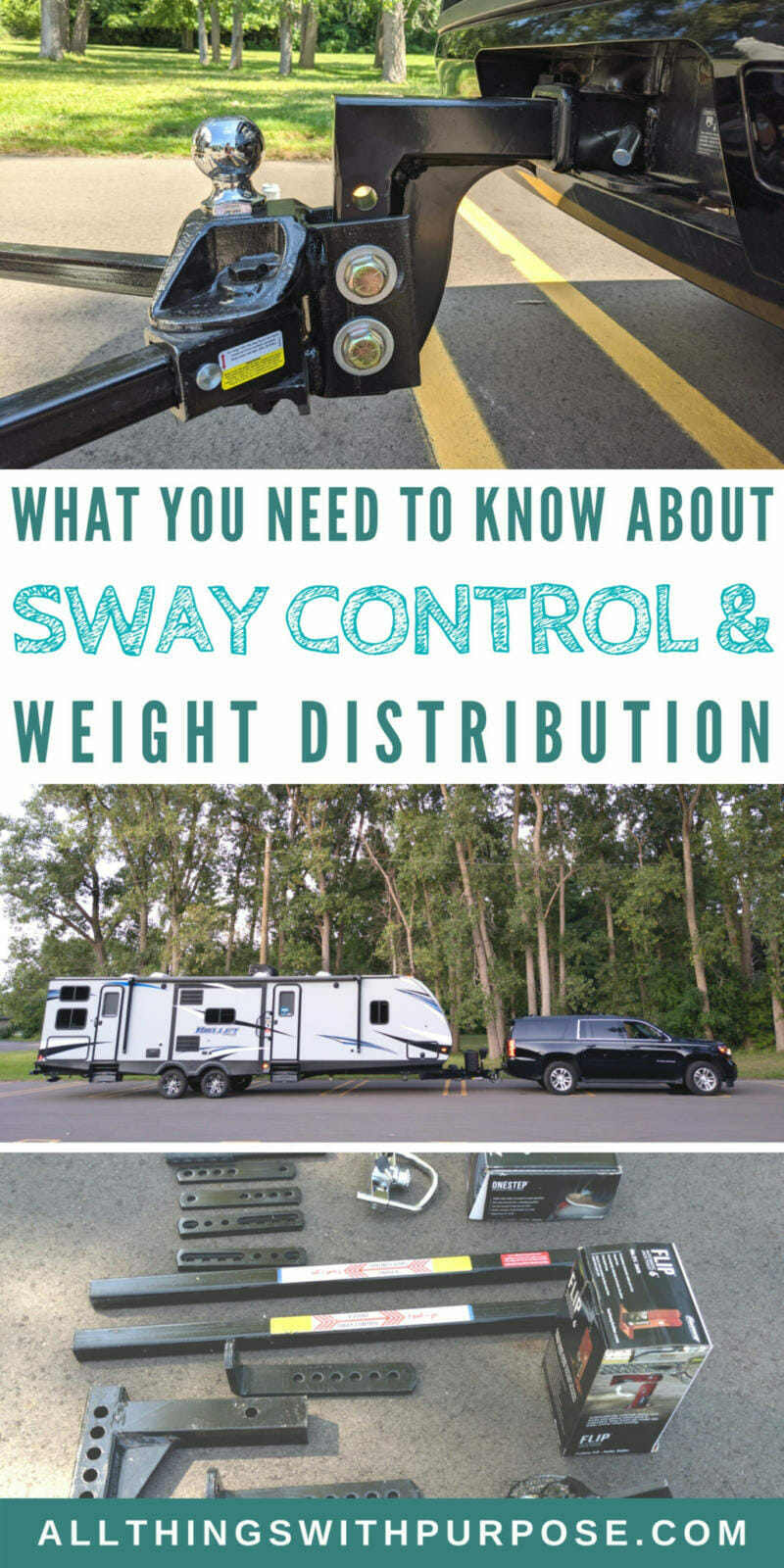
Your vehicle must handle the trailer’s weight and dimensions safely.
Match Trailer to Vehicle
• Check your vehicle’s towing capacity; don’t exceed it
• Most tent trailers weigh 1,500–3,500 lbs, making them suitable for SUVs and half-ton trucks
Practice Before You Go
• Practice reversing and turning in an empty parking lot
• Account for extra width and length when navigating tight spaces
• Use a spotter when backing up
Weight Distribution Tips
• Pack heavy items low and centered over the axle
• Avoid overpacking, which impacts fuel efficiency and stability
• Use weight-distributing hitches for larger models
Common Mistakes to Avoid
Even experienced campers make these errors, so don’t let them happen to you.
Forgetting the Crank Handle
• Mark it with bright paint (orange works well) so it’s easy to spot
• Store it in a dedicated, labeled compartment
Using Stabilizers to Lift
• Stabilizer jacks are for stability, not lifting
• Using them to raise the trailer can bend or break them
Skipping Leveling
• An unlevel trailer stresses the frame and makes sleeping uncomfortable
• Always pre-level before disconnecting
Overpacking
• Adds unnecessary weight and reduces fuel economy
• Stick to essentials; you’re camping, not moving in
Leaving Utilities Connected
• Never drive with power, water, or propane hooked up
• Doing so can damage systems and create safety hazards
Essential Tools and Accessories
Keep these on hand for smooth operation.
Must-Have Toolkit
• Crank handle (brightly colored)
• Wrench for stabilizer adjustments
• Bubble level
• Spare pins, clips, and fasteners
• Flashlight or headlamp for nighttime setup
Recommended Upgrades
• Wheel stabilizer for fine-tuning levelness
• Non-slip step strips for safety
• LED interior lights for better visibility
• Solar panel kit for off-grid power
Troubleshooting Common Issues
Quick fixes keep your trip on track.
Roof Won’t Raise
• Check all roof latches (one stuck latch stops the system)
• Inspect cables for fraying or binding
• Verify whiffle tree bolts are tight and cables aligned
Bed Ends Won’t Extend
• Look for caught fabric or debris
• Ensure the roof is fully raised before pulling out beds
• Check that safety supports aren’t blocking movement
Canvas Tearing
• Avoid over-tightening tension cords
• Repair small rips immediately with tent-specific patch kits
• Inspect cuffed pockets (they’re high-stress zones)
Water System Not Working
• Check for kinked hoses or closed valves
• Verify the pressure regulator is installed
• Test the water pump (listen for humming when turned on)
Why Choose a Tent Trailer?
Tent trailers offer a smart middle ground between car camping and full RV living.
Advantages Over Other Campers
• Lightweight and fuel-efficient to tow
• Fits in standard parking spots and narrow roads
• Faster setup than traditional tents
• More comfort than sleeping in a car or tent
• Lower cost than hard-sided trailers or motorhomes
Ideal For
• Weekend warriors who want quick getaways
• Families needing safe, enclosed sleeping space
• Adventure seekers exploring remote or rugged campsites
• Budget-conscious travelers avoiding hotel costs
Final Tips for First-Time Users
Starting out? These tips will make your first trip smoother.
Know Your Vehicle’s Limits
• Confirm towing capacity before buying or renting
• Ensure your hitch and brakes are rated for the trailer
Practice Setup at Home
• Do a dry run in your driveway before hitting the road
• Learn the steps in daylight and without time pressure
Pack Smart
• Bring bedding, cooking gear, and weather-appropriate clothing
• Don’t forget extra water, food, and a first-aid kit
Plan Campsite Access
• Use apps like AllTrails or Campendium to find suitable sites
• Check for clearance, road conditions, and hookups
Follow Leave No Trace
• Respect nature and pack out all trash
• Use designated fire rings and avoid damaging vegetation
Frequently Asked Questions About Tent Trailers
How long does it take to set up a tent trailer?
A mid-sized tent trailer typically takes 10 to 15 minutes to set up with proper preparation. One person can do it alone, though having a second person makes the process faster and safer.
Can a small car tow a tent trailer?
Most tent trailers weigh between 1,500 and 3,500 lbs, making them towable by many SUVs, crossovers, and half-ton trucks. Always check your vehicle’s towing capacity before purchasing or renting a trailer.
What is the whiffle tree on a pop-up camper?
The whiffle tree is a metal plate mounted beneath the trailer that connects all lifting cables. It distributes tension evenly across each cable point, ensuring the roof rises smoothly without tilting or binding.
How often should you grease tent trailer cables?
Lubricate cables and pulleys every 1 to 2 years using marine-grade or silicone-based grease. The process takes about 45 minutes to an hour and extends the system’s lifespan significantly.
Do tent trailers have bathrooms?
Some models include toilets, including composting options. However, most basic tent trailers do not have built-in bathrooms, and campers typically use campground facilities or portable alternatives.
Can you use a tent trailer in winter?
Tent trailers can handle cool weather with their forced-air furnaces, but insulation is limited compared to hard-sided trailers. Canvas sides are water-resistant but not fully waterproof, so extreme conditions require extra preparation.
Key Takeaways for Understanding How a Tent Trailer Works
A tent trailer works by combining a towable base with a mechanical lifting system that expands into a livable space. The crank-operated roof lift, supported by cables, pulleys, and the whiffle tree, creates headroom in minutes. Once raised, bed ends extend, canvas walls unfold, and utilities like power, water, and propane transform the space into a functional cabin.
With proper setup, maintenance, and safety practices, a tent trailer offers an affordable, flexible way to explore the outdoors in comfort. Whether you’re a weekend camper or a full-time adventurer, understanding how your tent trailer functions ensures every trip starts and ends smoothly. Your next step: practice the setup at home before your first trip to build confidence and familiarity.