
Waking up with a damp sleeping bag and water droplets dripping from the ceiling is every camper’s nightmare. Condensation in tents happens when warm, moist air from your breath and body meets cooler tent fabric overnight. A single sleeper can release up to one liter of water vapor per night, and without proper airflow, that moisture has nowhere to escape. While you cannot eliminate condensation entirely, you can control it with the right setup, smart habits, and better gear choices. This guide breaks down practical strategies to keep your tent dry and comfortable on every trip.
Choose the Right Tent Design

Double-Wall vs. Single-Wall Construction
A double-wall tent is your strongest defense against tent condensation. It combines a breathable mesh inner with a separate waterproof rainfly, creating an air gap that lets moisture escape before reaching your sleeping area. Even if droplets form on the fly, they stay away from your gear.
A single-wall tent is lighter but lacks this protective buffer. Moisture collects directly on the inner fabric, putting your sleeping bag at risk. If you use one, you must compensate with aggressive ventilation.
Pro Tip: For most campers, a double-wall design is the smarter long-term investment, especially in cool or humid conditions.
Optimize Shape and Ventilation Features
Look for tents with steep wall angles, ample headroom, and multiple ventilation points. Shallow designs force your body against the walls, transferring heat and creating condensation hotspots. The best tents include:
- Roof vents for releasing warm air
- Mesh panels on doors and sides
- Adjustable door flaps
- Vented rainfly designs
- At least two vestibules for cross-ventilation
Use the Mesh Inner and Rainfly Strategically
Always pitch the mesh inner first when conditions allow. On calm, dry nights, skip the rainfly entirely and sleep under just the inner tent to maximize airflow. When using a rainfly, make sure it does not touch the inner tent, since contact creates condensation bridges that trap moisture.
Pick a Smart Campsite

Avoid Moisture-Prone Areas
Never pitch in low-lying valleys, near lakes or rivers, or in open fields. These spots collect cold, damp air and raise humidity dramatically. Hollows act like moisture traps, guaranteeing heavier condensation by morning.
Quick rule: If you notice heavier frost or dew in one spot, avoid it. That is a condensation hotspot.
Select Dry, Airy Locations
Ideal sites sit on moderate slopes with tree cover or natural windbreaks like rocks or hills. These create a warmer microclimate and encourage steady airflow. A slight breeze can make a major difference in overnight humidity levels.
Choose ground with natural drainage and partial wind exposure for constant air exchange.
Check for Overhead Hazards
Scan above for dead branches or unstable trees before pitching. A clear overhead zone improves airflow and prevents dripping moisture from foliage.
Maximize Ventilation All Night
Use the High and Low Ventilation Method
Open roof vents to release warm, moist air and side or floor vents to draw in cool, dry air. This creates a natural convection current that continuously flushes humidity out of your tent.
Even on breezy nights, keep vents open. Airflow is your best weapon against condensation.
Position Your Tent Into the Wind
Pitch your tent so the door faces the wind. This forces fresh air through the lower vents and pushes humid air out the top. If the wind shifts, adjust your vent openings to maintain a steady cross-draft.
Manage Vestibules for Airflow
Leave at least one vestibule open when it is not raining. This creates a major airflow path. Never block the gap under the vestibule with your backpack or boots, as this kills ventilation.
In a single-vestibule tent, sleep with your head toward the door so your breath exits directly rather than circulating inside.
Adjust Ventilation in Rainy Weather
Light rain does not require sealing your tent completely. On tents like the MSR Hubba, partially zip the door and leave a small gap at the top. The rain gutter design prevents water entry while still allowing airflow.
Use mesh doors whenever possible. They keep bugs out and let air in.
Control Moisture Sources Inside Your Tent

Never Cook Inside the Tent
Indoor cooking is a double threat. It raises internal temperatures and releases steam from boiling water, flooding your tent with humidity. Even a quick cup of tea can add significant moisture.
Always cook outside under a tarp or in a sheltered area. If you must use a stove near the tent, keep the door wide open.
Warning: Gas stoves and open flames inside tents pose serious carbon monoxide and fire risks. Avoid them unless ventilation is guaranteed.
Keep Wet Gear Outside
Drying wet clothes or boots inside your tent is one of the most common condensation mistakes. A single wet jacket can release liters of moisture overnight. Instead:
- Store wet gear in dry sacks like Exped dry bags
- Hang items on a clothesline outside
- Use a trash bag to contain damp items overnight
Pro Move: Tie a cord between trees and hang socks, gloves, and shirts overnight. It is free, effective, and keeps your tent dry.
Breathe Through Your Nose
You exhale about one liter of water per night, and mouth breathing increases moisture loss by 40% according to one study. Breathing through your nose reduces vapor released into the tent.
If you tend to breathe through your mouth at night, practice nasal breathing before bed. It is a simple, zero-cost way to reduce condensation.
Limit Time Spent Inside
Your body is a moisture machine. The longer you stay inside, the more humidity builds up. Eat, read, and relax outside whenever weather allows. Even small habits help:
- Remove boots before entering
- Ventilate after returning from a hike
- Keep the door open while packing
Pitch Your Tent Correctly
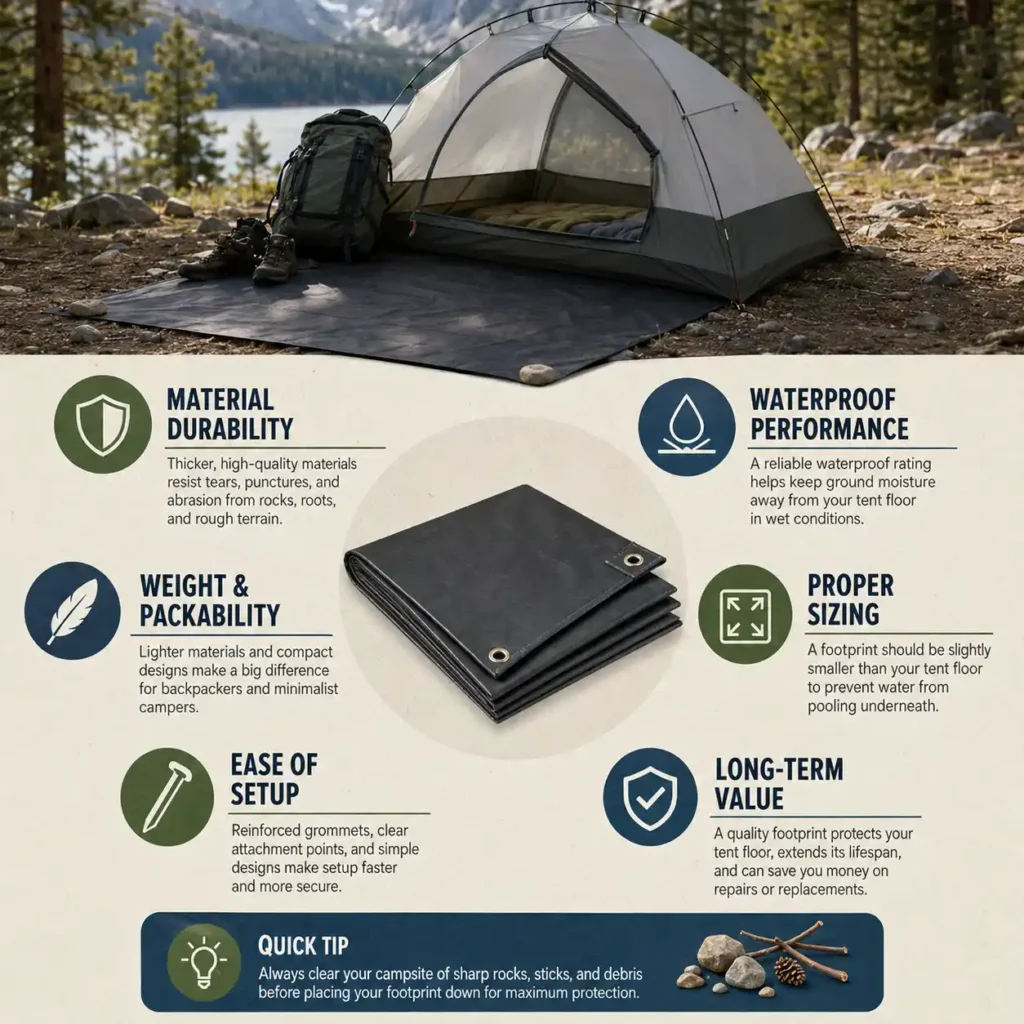
Use a Properly Sized Groundsheet
A groundsheet protects against ground moisture, but it should not extend beyond the tent footprint. An oversized tarp traps water underneath, creating a damp microclimate that seeps upward.
Use a custom-fit groundsheet or trim a generic one to match your tent floor.
Tighten All Four Guylines
Always set up all four guylines. They keep walls taut, prevent fabric contact with your body, and create airflow space between layers.
For extra tension, place sticks under guylines and twist them to tighten. This pulls lines outward and improves wall angles.
Ensure Full Vent Access
Misaligned poles or loose rainflies can block vents. After pitching, double-check that all ventilation panels are fully open. A blocked roof vent undermines your entire airflow system.
Maintain a Daily Dry Routine
Air Out Your Tent Every Morning
On multi-day trips, spend 15–20 minutes each morning airing out your tent:
- Open both vestibules
- Remove all gear
- Let sunlight and breeze dry the interior
This removes residual moisture and prevents overnight buildup.
Wipe Down Condensation
Use a microfiber towel to wipe water droplets from tent walls each morning. It is quick, lightweight, and keeps your sleeping bag dry.
Never Repitch a Wet Tent
If your tent gets soaked, dry it before packing or repitching. A wet tent increases internal humidity and guarantees condensation the next night.
Hang the fly and inner separately in the sun or wind. Even partial drying helps.
Use Optional Moisture Control Tools
Try Desiccant Packs in Humid Climates
For extended trips or high-humidity regions, place silica gel desiccant packs inside your tent. They absorb excess moisture but work best alongside ventilation, not as a replacement.
Rechargeable packs can be dried and reused, making them ideal for long hikes.
Avoid Waterproof Backpacks for Your Feet
Stuffing your feet into a waterproof backpack or dry sack seems smart but backfires. Sweat gets trapped, making your feet colder and wetting your sleeping bag.
Use breathable gear instead, or leave feet exposed to air inside the tent.
Common Condensation Mistakes to Avoid
- Closing vents to stay warm traps moisture inside
- Sleeping with the door fully zipped blocks airflow
- Pitching in valleys or near water increases humidity
- Drying clothes inside floods the tent with vapor
- Cooking indoors adds heat and steam
- Blocking vestibule gaps kills cross-ventilation
- Packing a wet tent guarantees next-night dampness
Frequently Asked Questions About Preventing Condensation in Tents
Can condensation in a tent be completely eliminated?
No. Condensation is a natural result of temperature and humidity differences, and a single person exhales about one liter of water per night. The goal is to move moisture out before it builds up, not to eliminate it entirely.
What type of tent is best for preventing condensation?
A double-wall tent with a breathable inner mesh and a separate waterproof rainfly is the best choice. The air gap between layers allows moisture to escape and prevents it from reaching your sleeping area.
Where should I avoid pitching my tent to reduce condensation?
Avoid low-lying valleys, areas near lakes or rivers, open fields, and hollows. These spots collect cold, damp air and create higher humidity levels that worsen condensation.
Is it safe to cook inside a tent to warm it up?
No. Cooking indoors raises temperature and releases steam, dramatically increasing humidity. Gas stoves also pose serious carbon monoxide and fire risks. Always cook outside under a tarp or sheltered area.
How does breathing through my nose help reduce condensation?
Mouth breathing increases water loss by 40% compared to nasal breathing. Breathing through your nose releases less vapor into the tent air, helping keep humidity lower overnight.
What should I do with wet clothes at night?
Store wet clothes in dry sacks, trash bags, or hang them on an outdoor clothesline. Drying wet gear inside the tent releases large amounts of moisture and significantly increases condensation risk.
Final Takeaways for Preventing Tent Condensation
Condensation is physics, not a flaw in your gear, but it is highly manageable. Focus on moving moisture out, not trapping it in. Prioritize airflow by selecting a double-wall tent, opening all vents, and positioning your door into the wind. Avoid indoor cooking, store wet gear outside, and practice nasal breathing to reduce internal humidity. On multi-day trips, spend a few minutes each morning airing out your tent and wiping down walls. These small habits add up to dramatically drier nights and better sleep. Start with your next campsite: pick an elevated, breezy spot, pitch your tent facing the wind, and open every vent before you climb in.