
Choosing the right shelter can make or break your outdoor experience. With so many different tent types available, it’s essential to understand which design suits your needs, whether you’re backpacking through rugged terrain, camping with family at a developed site, or chasing storms in high winds. The ideal tent balances weight, space, weather resistance, and ease of setup.
This guide breaks down the most common different tent types, explaining their strengths, weaknesses, and best-use scenarios so you can make a confident choice. From ultralight backpacking shelters to spacious family domes, each tent category is engineered for specific conditions and user priorities.
Dome Tents: Stable and Versatile
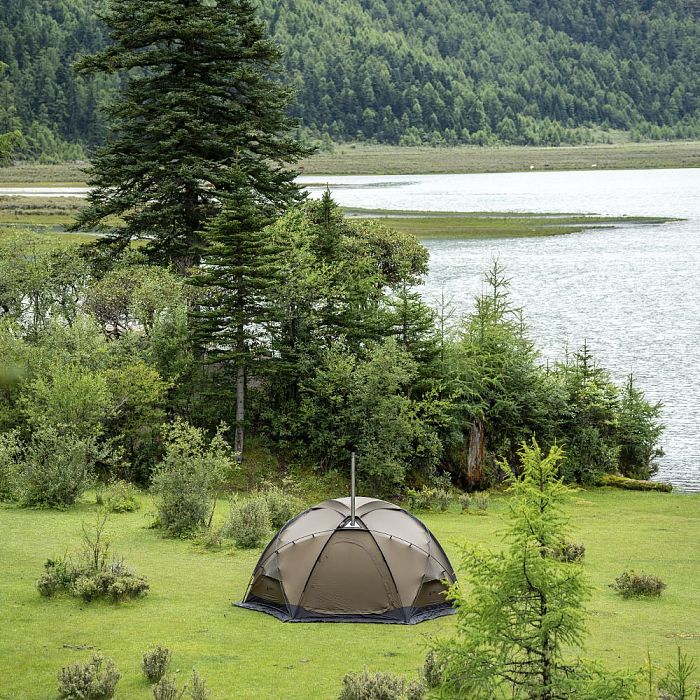
Dome tents are among the most popular choices for casual and intermediate campers due to their reliability and user-friendly design.
Why Dome Tents Work Well
These tents use flexible poles that cross over each other to form a dome shape. This structure provides excellent stability in moderate wind and allows for generous headroom in the center. Most dome tents are freestanding, meaning they can be moved or adjusted after setup without staking.
They work well for car camping, weekend trips, and family outings where space and comfort matter more than pack size. Many models include multiple vestibules for gear storage and large mesh panels for airflow.
Who Should Use a Dome Tent?
- Families needing room for multiple sleepers and gear
- Beginners looking for easy setup
- Three-season campers during spring, summer, and fall
Avoid using basic dome tents in extreme winter conditions unless specifically rated for four-season use.
Backpacking Tents: Lightweight and Portable
Backpacking tents prioritize low weight and compact packing over luxury features.
Key Features of Backpacking Tents
These tents typically weigh under 4 pounds and pack down to the size of a water bottle. They often use lightweight materials like ripstop nylon and aluminum poles. Some models are semi-freestanding or require staking for full tension.
Despite their small footprint, modern backpacking tents offer smart designs with angled walls, dual doors, and mesh ceilings to maximize comfort without adding bulk.
How to Choose the Right Size
- 1-Person: Ultra-light, best for solo hikers prioritizing speed
- 2-Person: Most popular, fits two snugly or one with gear
- 3-Person: Good for longer trips or those who want extra space
Pro Tip: A “2-person” tent usually gives each person about 20–22 inches of width, just enough for sleeping bags.
Tunnel Tents: Spacious and Wind-Resistant
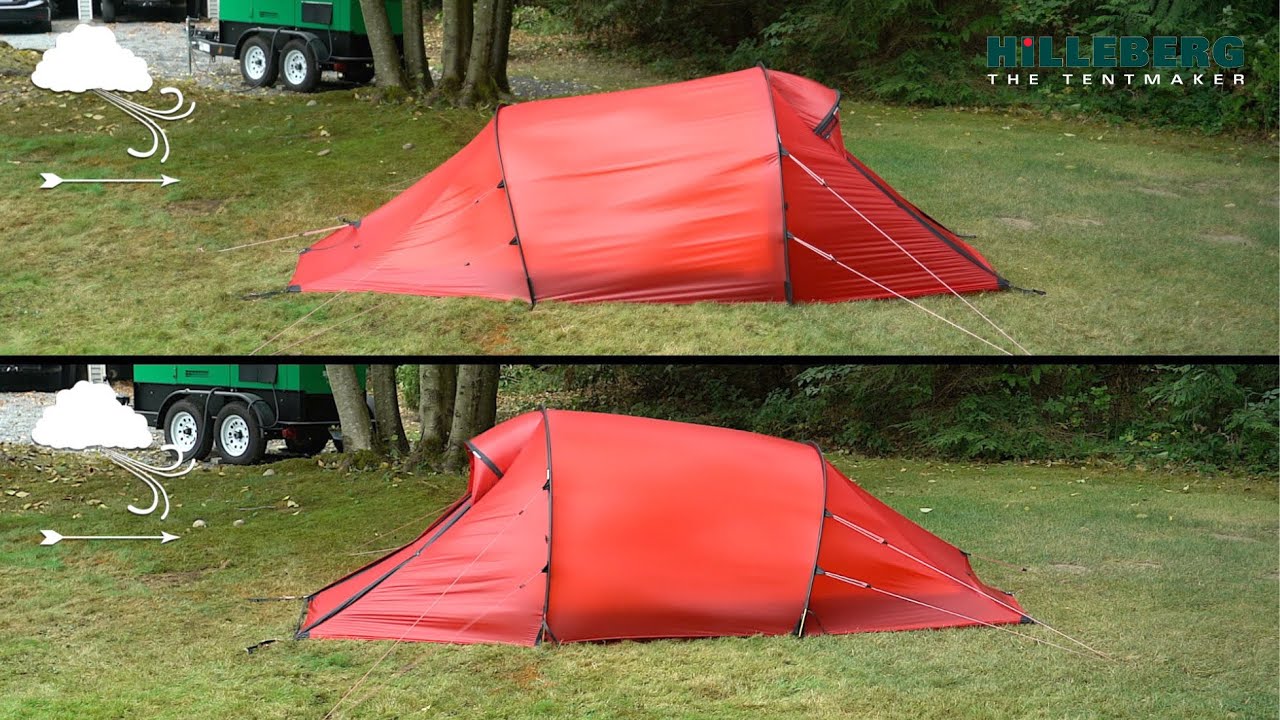
Tunnel tents offer excellent volume-to-weight ratios and perform well in windy environments.
Design and Stability
Constructed with two or more flexible poles running lengthwise, tunnel tents create a long, arched shape. When pitched correctly with guy lines taut and stakes driven at 45-degree angles, they resist strong crosswinds effectively.
These tents are often semi-freestanding, meaning they need to be staked out to hold their shape. Their elongated layout makes them great for group camping or expeditions.
Best Uses for Tunnel Tents
- Multi-day treks where weight and space both matter
- Expedition camping in exposed areas
- Festival camping with multiple occupants
Avoid pitching tunnel tents perpendicular to the wind. Always align the narrow end into the wind for optimal aerodynamics.
Cabin Tents: Roomy and Home-Like

Cabin tents mimic the layout of a small cabin with near-vertical walls and high ceilings.
Advantages of Vertical Walls
Unlike dome or tunnel designs, cabin tents maximize usable interior space. You can stand upright in most models and even fit cots or small furniture. Many include room dividers for privacy, making them ideal for family camping.
However, their boxy shape makes them less aerodynamic. They are best suited for calm, sheltered campsites.
Common Features
- Large floor plans (6–12 person capacity)
- Multiple rooms or partitions
- Mesh windows and doors for ventilation
- Built-in gear lofts or pockets
Note: These tents are heavy and not designed for backpacking, making them perfect for car campers who value comfort over mobility.
Geodesic and Semi-Geodesic Tents: All-Weather Performance

Geodesic tents are built for harsh conditions, including snow, ice, and high winds.
What Makes Them Strong?
Their crisscrossing pole structure distributes stress evenly across the frame, creating exceptional strength. True geodesic tents have three or more crossing poles, while semi-geodesic models use two crossing sets and are slightly lighter.
These tents are often used in alpine climbing, polar expeditions, and winter camping.
Season Ratings Explained
- 3-Season Geodesic: Handles rain and wind, good for fall and spring storms
- 4-Season: Reinforced poles, smaller vents, heavy-duty fabric for snow loads
- Expedition Grade: Extreme durability, used in mountaineering above treeline
Warning: 4-season tents can get stuffy in summer due to limited airflow, so use only when necessary.
Pop-Up and Instant Tents: Fast Setup With Trade-Offs
These tents deploy in minutes thanks to pre-attached, spring-loaded poles.
Why Campers Love Them
“Pop-up” doesn’t mean flimsy, since many instant tents are durable and spacious. They are perfect for last-minute trips, festivals, or campers with limited mobility.
Setup involves removing the tent from its bag and letting it unfold into shape. Some models require minimal staking or pole locking.
Limitations to Consider
- Heavier than traditional tents
- Bulkier packed size
- Harder to repair if poles break (often non-replaceable)
- Less wind-resistant due to rigid deployment mechanism
Best for fair-weather camping, short stays, and convenience-focused users.
Hammock Tents: Elevated Shelter for Minimalists
Hammock tents suspend sleepers between trees, offering a unique alternative to ground-based camping.
Benefits of Sleeping Off the Ground
- Avoids uneven terrain, rocks, and puddles
- Improved airflow reduces condensation
- Lightweight and compact for backpackers
Many models include integrated rainflies, bug nets, and gear pockets.
What You’ll Need
- Two sturdy trees (12–15 feet apart)
- Tree-friendly straps (avoid ropes that damage bark)
- Underquilt or sleeping pad for insulation, since air conducts cold
Ideal for forested areas, warm climates, and ultralight backpackers.
Bivy Tents: Minimalist Protection
Bivy tents (short for bivouac) are single-person shelters designed for survival or solo adventures.
When to Use a Bivy
These are essentially waterproof sacks that fit over a sleeping bag. Most are non-freestanding and offer little room to move, but they are unbeatable for weight and packability.
Used by:
- Ultralight backpackers
- Mountain climbers
- Emergency kits
Some bivy sacks are breathable, reducing condensation, while others are vapor-barrier types for extreme wet conditions.
Trade-Offs
- Cramped interior with no room to sit up
- Limited ventilation that can get humid inside
- Difficult to enter or exit in tight spaces
Pair with a trekking pole or small frame for added headroom in newer hybrid models.
Tipi and Yurt-Style Tents: Traditional and Spacious
These large, circular tents draw from indigenous and nomadic designs.
Modern Uses of Tipi Tents
Traditional tipis use a central fire for heat and smoke venting, but modern camping versions focus on aesthetics and group shelter. Made from cotton canvas or synthetic blends, they offer impressive headroom and a cozy atmosphere.
Canvas tipis breathe well and resist condensation but are heavy and require maintenance.
Yurts: Glamping Favorites
Yurts are more permanent structures, often found in commercial glamping sites. They feature rigid walls, a lattice frame, and a roof wheel for ventilation.
While not portable like backpacking tents, DIY yurt kits allow for semi-permanent backyard or off-grid setups.
How to Match Tent Type to Your Needs
Choosing from different tent types comes down to matching design strengths with your trip demands.
Ask These Questions Before Buying
- How many people? Add one to your count for gear space.
- Where are you going? Backcountry versus campground changes priorities.
- What season? Ensure the tent matches expected weather.
- How will you carry it? Check packed weight and size.
- How important is setup time? Practice at home before heading out.
Use this decision guide:
- Backpacking: Choose a backpacking or bivy tent
- Family camping: Choose a dome or cabin tent
- All-weather or alpine: Choose a geodesic or tunnel tent
- Speed and convenience: Choose an instant tent
- Unique terrain: Choose a hammock or bivy
Maintenance Tips to Extend Tent Life
Even the best tent won’t last without proper care.
Clean and Store Properly
Always do the following:
- Shake out debris after each trip
- Hand wash with mild soap if dirty (avoid machine washing)
- Dry completely before storing, since mold damages tents fast
- Store loose in a cool, dry place rather than compressed in a stuff sack
Avoid storing your tent in its stuff sack long-term. Use a cotton or mesh storage bag instead.
Repair Small Issues Early
- Tape minor tears with repair patches or Tenacious Tape
- Re-seal seams annually with seam sealer
- Replace broken poles with shock cord or OEM parts
Keep a repair kit with you on every trip.
Frequently Asked Questions About Different Tent Types
What is the most versatile tent type for beginners?
Dome tents offer the best balance of ease, stability, and space for new campers. They handle moderate weather, set up quickly, and work well in most three-season scenarios.
Are four-season tents worth the investment?
Only if you regularly camp in snow, high winds, or alpine environments. Otherwise, their added weight and reduced ventilation make them less practical for typical trips.
How do I know what size tent I need?
Add one person to your group count to account for gear storage. A “2-person” tent sleeps two snugly, but a “3-person” tent offers more comfort for two adults with packs.
Can I use a backpacking tent for car camping?
Yes, though you may sacrifice some comfort. Backpacking tents are lightweight and compact, but car campers often prefer the extra space of dome or cabin tents.
What is the lightest tent type available?
Bivy tents are the lightest option, weighing as little as one pound. They trade space and comfort for minimal pack size, making them ideal for ultralight backpackers.
Key Takeaways for Choosing the Right Tent
Understanding the different tent types empowers you to choose wisely for every adventure. Whether you need a stormproof geodesic shelter for alpine peaks or a roomy cabin tent for weekend family fun, there’s a design tailored to your needs.
Focus on durability, weather suitability, and portability. Never sacrifice safety for convenience. Before your next trip, measure your packed volume tolerance, list your must-have features, and test your top tent choice in your backyard to confirm it meets your expectations.