
Nothing ruins a long hike faster than the sharp sting of chafed skin. Whether you’re tackling a 10-mile day or a multi-week thru-hike, the best way to prevent chafing while hiking is through a proactive, layered strategy that combines moisture-wicking clothing, targeted lubricants, proper gear fit, and consistent hygiene. Chafing—caused by friction, sweat, heat, and salt buildup—can turn a rewarding adventure into a painful slog, especially in humid climates or on rugged terrain. It strikes hikers of all body types and experience levels, commonly flaring up in high-friction zones like inner thighs, underarms, groin, and along backpack straps.
Left untreated, chafing progresses from mild redness to raw, bleeding skin, increasing infection risk and often forcing early trip ends. But the good news? It’s almost entirely preventable. Drawing from real-world hiker experiences, gear testing, and dermatological insights, this guide delivers actionable, field-tested methods to keep your skin intact and comfortable mile after mile. You’ll learn exactly what to wear, what to apply, how to adjust your pack, and what to do if chafing starts—so you can hike farther, longer, and pain-free.
Wear Moisture-Wicking, Seamless Clothing
Your clothing is your first line of defense against chafing. The wrong fabric or fit can turn a simple trail into a torture session.
Ditch Cotton, Choose Wicking Fabrics
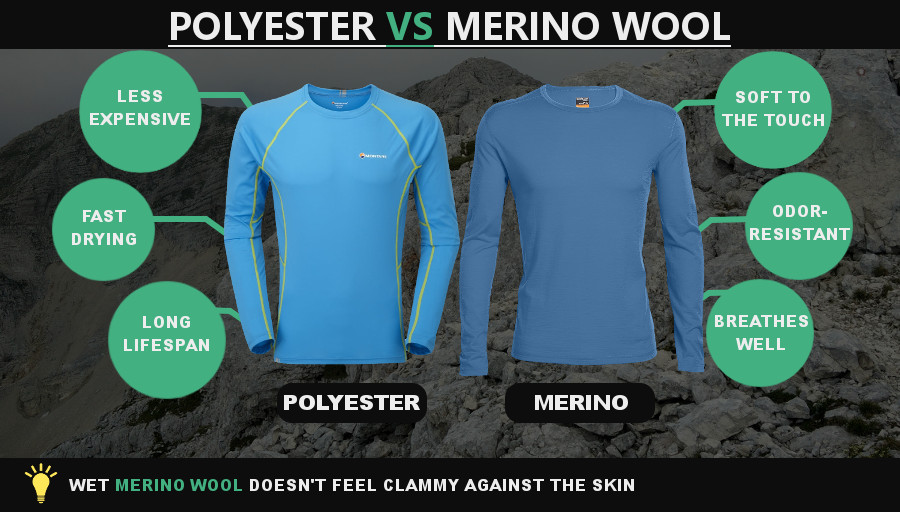
Cotton is chafing’s best friend—and your worst enemy. Known in outdoor circles as “cotton kills,” it absorbs sweat, stays wet, and rubs like sandpaper against skin. Instead, opt for synthetic fabrics like polyester or nylon, or merino wool, which wick moisture away and dry quickly. These materials reduce friction and maintain breathability, even during steep climbs or in sweltering heat.
Merino wool offers added perks: it’s naturally odor-resistant, regulates temperature, and feels soft—ideal for sensitive skin. Synthetics are lighter and dry faster, making them excellent for high-output hikes. Avoid cotton blends, especially in base layers or underwear, where moisture control is critical.
Prioritize Snug, Seamless Fit
Clothing that’s too loose bunches and rubs. Too tight? It digs in and restricts movement. Snug, compression-style garments—like bike shorts or performance base layers—minimize skin movement and act as a friction barrier.
Look for flatlock or seamless construction, particularly in high-risk areas like inner thighs and armpits. Avoid thick, raised seams or tags—they can act like grinders on skin. Seamless underwear, tagless shirts, and gusseted crotches are worth the investment for long hikes.
Target High-Risk Areas with Smart Clothing Choices
Wear Compression Shorts or Bike Liners
For hikers prone to inner thigh chafing, compression shorts (e.g., Under Armour, Skins) or non-padded bike shorts are game-changers. They eliminate skin-on-skin contact and reduce muscle oscillation, which contributes to rubbing.
Women report success with moisture-wicking sports bras that fit snugly without cutting into under-breast tissue. Avoid brand-new bras on long hikes—dyes and stiff fabrics can irritate.
Choose Hiking Shorts with Built-In Liners
Hiking shorts with mesh liners (e.g., LLBean Tropic Weight) provide support and reduce inner thigh friction. Avoid hiking skirts or kilts if you’re chafe-prone—they offer no protection and increase skin-on-skin contact.
For plus-size hikers, knee-length gym shorts, biker shorts, or Torrid leggings help prevent chafing. Some use buffs or bandanas wrapped around thighs for extra protection.
Protect Your Feet with Proper Socks
Foot chafing leads to blisters. Wear merino wool or synthetic socks that wick moisture and fit snugly. Ensure your boots don’t allow heel lift, which causes repetitive rubbing. Double-layer socks or liner socks can add extra protection.
Apply Anti-Chafing Products Before Every Hike

Even with perfect clothing, friction points need extra protection. Topical barriers are essential for high-risk zones.
Use Lubricants Proactively
Apply anti-chafe lubricants to vulnerable areas before you start hiking. Prevention beats treatment—don’t wait for discomfort.
Body Glide: The Hiker’s Gold Standard
Body Glide (original blue stick) is a top choice. It’s odorless, non-staining, and lasts all day. Apply to inner thighs, underarms, groin, nipples, and backpack contact points. A single swipe per area is enough. Hikers have completed 37+ mile days with zero chafing using only Body Glide.
Avoid the green/camo version—some users report it crumbles in heat.
Vaseline: Affordable and Effective
Petroleum jelly is widely available and works well, especially in cooler weather. It’s messier than Body Glide and can stain clothes, but it’s a solid backup. Reapply if you sweat heavily.
Trail runners and thru-hikers often use it as a daily preventive.
Gold Bond Friction Defense Stick
This drugstore-friendly stick ($7) performs like Body Glide and is easier to resupply on long trails. It softens in heat but doesn’t melt. One hiker used it for 14 days with multiple daily applications—no chafing.
Ideal for Western U.S. trails where resupply is limited.
Chamois Butt’r GOStick
At 0.2 oz, this lip balm-sized stick is ultralight and perfect for just-in-case use. It doesn’t melt in desert heat and applies smoothly. Great for thigh chafe, especially under hiking skirts.
Use Healing Ointments for Sensitive or Raw Skin
When skin is already irritated, use thicker ointments that heal and protect.
Boudreaux’s Butt Paste
Originally for infants, this zinc oxide-based ointment creates a moisture-blocking barrier. Hikers use it under hip belts to prevent and heal chafing. It dries out sweaty areas and speeds recovery.
Free samples available at buttpaste.com.
A+D Ointment
Thick and long-lasting, A+D Ointment soothes raw skin and stays in place. It’s also great for lip balm, windburn, and minor cuts. Found in gas stations and grocery stores—ideal for resupply.
One PCT hiker credited it with resolving extreme thigh chafing.
Desitin
Similar to Boudreaux’s, but messier and harder to wash out. Best for healing at camp, not trail use.
Try Natural and Multi-Use Balms
Squirrel’s Nut Butter
This all-natural salve (coconut oil, cocoa butter) is solid at room temp and doesn’t fully melt. A pea-sized amount covers a large area. One hiker used it for over 2,000 miles—no chafing.
Great for back and shoulder chafing from pack straps.
Nellie Tsosie’s Piñon Balm
Handmade in the Southwest, this pine-scented balm soothes chafing, heat rash, and insect bites. Solid and leak-proof. Order online or find in Arizona/New Mexico stores.
Body Glide FOR HER
Plant-based and vegan, this balm uses coconut and sweet almond oils. Available in travel sizes. A curvy hiker uses it daily for inner thigh protection—no issues in dry or humid climates.
Use Powders and Antiseptics Wisely
Baby Powder
Gentle and effective at drying out moist areas. Use at night to keep skin dry. Pair with Vaseline in the morning—powder absorbs moisture, Vaseline reduces friction.
Avoid talc-based powders if concerned about inhalation.
Sportslick
An antifungal, antiseptic, anti-chafe balm. Prevents groin and cheek chafing. Also used for blisters and trenchfoot. Multi-functional and trail-proven.
Neosporin
Triple antibiotic cream can prevent and treat chafing. One hiker applied it to inner thighs—chafing gone by morning. Reduces infection risk if skin is broken.
Optimize Backpack and Gear Fit
Even the best clothing and lubricants won’t help if your gear is rubbing you raw.
Fit Your Hip Belt Correctly
Your hip belt should sit on your iliac crest—the top of your hip bones—not on your stomach. This ensures weight is transferred to your hips, not shoulders.
- Use a padded, ventilated belt to reduce friction.
- Apply Body Glide or Boudreaux’s under the belt.
- Add a gel pad or moisture-wicking liner (e.g., fleece strip) inside the belt for extra comfort.
Adjust Shoulder Straps and Load Distribution
- Straps should be snug but not tight. Over-tightening causes shoulder and collarbone chafing.
- Wear a moisture-wicking shirt under your pack to create a barrier.
- Ensure your pack doesn’t shift or bounce—a loose load increases friction.
Secure All Straps and Accessories
- Snug down chest, waist, and hydration pack straps to prevent bouncing.
- Apply lubricant to heart rate monitor straps to avoid chest/back chafing.
Maintain Skin Hygiene Daily
Clean, dry skin resists chafing. Make hygiene a non-negotiable part of your routine.
Rinse and Dry When Possible
- Wash in creeks (downstream, no soap) to remove salt and sweat.
- Air out your skin at lunch breaks—lie on a rock or in the sun.
- Use baby wipes for quick cleanups, especially after bowel movements.
Follow a Nightly Thru-Hiker Routine
- Wipe down with a baby wipe.
- Let skin dry completely—no moisture before bed.
- Apply Vaseline or A+D Ointment to sensitive areas.
- At trip’s end: re-wipe, dry, apply powder or healing ointment.
This routine prevents flare-ups and speeds healing.
Avoid Antiperspirants on Sensitive Skin
Do not spray antiperspirant in your groin or butt crack. One hiker suffered severe chemical burns from aerosol propellants. Use powder instead.
Use Physical Barriers for Recurring Chafing
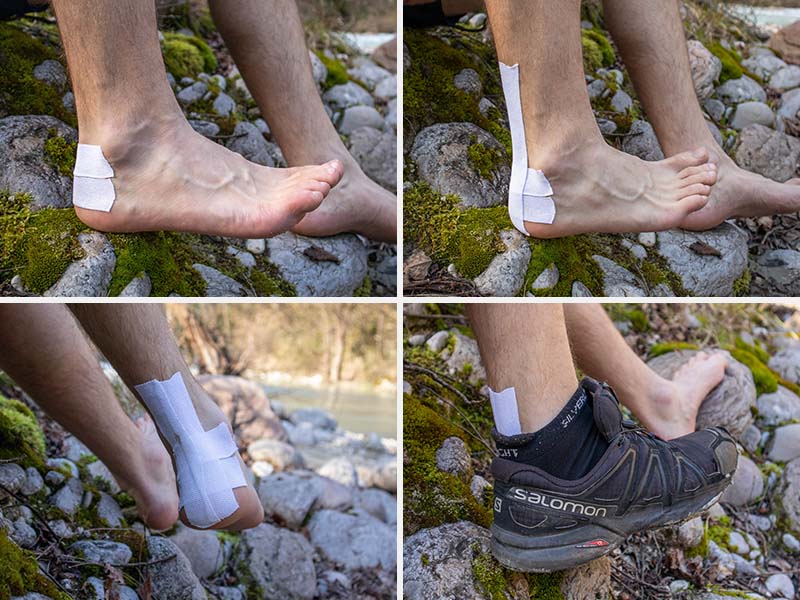
For persistent hot spots, add a physical shield.
Apply Mesh Tape or Bandages
- Australian Army tape (soft mesh) sticks well and breathes.
- Cut 8-inch strips, round the corners to prevent peeling.
- Apply in the shower or let it fall off naturally.
- Shave the area first for better adhesion.
Protect Nipples and Hot Spots
- Use adhesive bandages or nipple guards for nipple chafing.
- Apply anti-chafe patches (BodyGlide or Band-Aid) to known hot spots.
Build Skin Resilience Over Time
Your skin can adapt—just like your feet.
Start with Shorter Hikes
Gradual exposure helps skin build tolerance. Begin with 5–10 mile hikes and increase distance slowly.
Stay Hydrated to Reduce Salt Buildup
Dehydrated sweat has higher salt concentration, which stings and worsens chafing. Drink plenty of water throughout the day.
Treat Chafing Immediately
If you feel a hot spot, act fast.
On-Trail Treatment Steps
- Clean with a baby wipe or mild soap.
- Dry thoroughly.
- Apply healing ointment (A+D, Boudreaux’s, Neosporin).
- Lubricate to stop further rubbing.
- Leave uncovered to heal—don’t tape unless necessary.
When to Seek Medical Help
See a doctor if chafing is:
– Bleeding, swollen, or oozing pus
– Accompanied by fever
– Not improving after 2–3 days
Final Note: The best way to prevent chafing while hiking isn’t one product or trick—it’s a system. Combine smart clothing, proactive lubrication, proper gear fit, and daily hygiene to stay comfortable on any trail. Carry a small anti-chafe kit: a stick balm, wipes, tape, and ointment. Test your system on short hikes before committing to long trips. With the right prep, chafing doesn’t have to be part of your hike.