
You’re deep into a scenic backcountry trail, the air is crisp, and your legs are feeling strong—then, without warning, a sharp jab hits under your ribs. Or maybe, hours into your hike, a wave of bloating, cramps, or nausea creeps in, threatening to cut your adventure short. Abdominal pain after hiking is surprisingly common, affecting up to 70% of active individuals, especially during prolonged or intense treks. Whether it’s a fleeting side stitch or lingering digestive distress, this discomfort doesn’t have to be an inevitable part of the trail experience. Most causes are preventable—and many can be managed in real time with the right knowledge. This guide dives into the science behind post-hike belly pain, from Exercise-Related Transient Abdominal Pain (ETAP) to gastrointestinal (GI) upset, and gives you actionable strategies to prevent, manage, and eliminate it. You’ll learn how food timing, hydration, posture, and even your backpack fit play critical roles—so you can hike farther, longer, and pain-free.
Identify the Type of Abdominal Pain
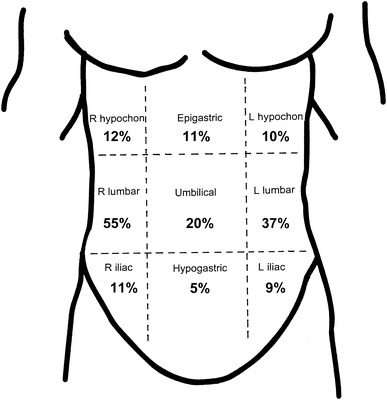
Distinguish Side Stitch from GI Distress
Not all abdominal pain is the same, and treating it effectively starts with knowing what you’re dealing with. Side stitches (ETAP) and gastrointestinal distress have different causes, symptoms, and timelines.
Side stitches are sharp, localized pains—usually on the right side under the ribs—that strike within minutes of starting activity. They’re linked to torso movement, breathing patterns, and irritation of the parietal peritoneum, the sensitive lining of the abdominal wall. These pains are often intense but short-lived, fading quickly once you stop or adjust your breathing.
In contrast, GI distress—often called “runner’s stomach”—involves cramping, bloating, nausea, or diarrhea, and typically appears 1–3 hours into a hike. This is due to reduced blood flow to the gut (up to 80% during prolonged exertion), delayed gastric emptying, and dietary triggers. Unlike side stitches, GI symptoms can linger for hours after your hike ends.
If you feel a sharp, stabbing pain at the start of your hike, it’s likely ETAP. If bloating or nausea creeps in mid-afternoon, your digestive system is the culprit. Knowing the difference helps you choose the right prevention and response.
Recognize Shoulder Tip Pain
If your side stitch comes with a sharp ache at the top of your shoulder, you’re experiencing referred pain from the diaphragm. This shoulder tip pain (STP) affects about 14% of ETAP cases and occurs because the phrenic nerve (C3–C5), which innervates the diaphragm, also serves the shoulder tip. The pain is often more intense than the abdominal discomfort and appears on the same side as the stitch.
While alarming, STP is not dangerous and resolves quickly with rest, deep breathing, or leaning into a stretch. It’s exercise-specific—meaning it stops when you stop—and doesn’t indicate heart or lung issues. Still, if it happens frequently, consider evaluating your core strength and breathing mechanics to reduce recurrence.
Know the Risk Factors
Age and Susceptibility
Younger hikers are far more likely to experience side stitches. 77% of active individuals under 20 report ETAP, compared to just 40% over 40. The risk drops with age, and it’s rare before age 10. One reason? Younger bodies often have more flexible connective tissue and less developed core control, making visceral ligaments more prone to jostling during movement. As you age, improved posture, stronger core muscles, and better breathing coordination naturally reduce the likelihood of stitches. If you’re in your teens or twenties and keep getting them, don’t panic—it may simply be a phase that improves with training.
Body Posture and Spinal Alignment
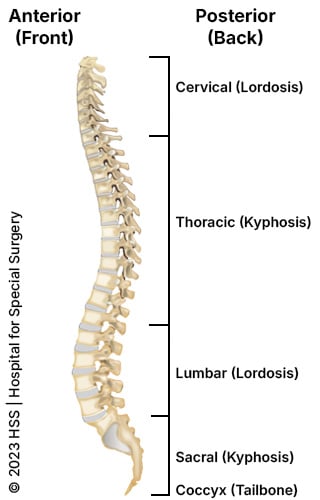
Poor posture is a major ETAP trigger. Kyphosis (rounded upper back) and lordosis (excessive lower back curve) are both linked to higher side stitch rates. Misalignment in the thoracic spine (T8–T12) can refer pain to the abdomen or increase strain on the peritoneum. If you hike with a forward head, slouched shoulders, or a swayed back, you’re more likely to trigger pain.
Fix this with core strengthening and postural awareness. Simple cues like “chest up, shoulders back” can reduce torso strain. Exercises like planks, bird-dogs, and dead bugs build the transversus abdominis and obliques, which stabilize your spine and reduce organ jostling. Even 10–15 minutes of core work three times a week can make a noticeable difference on the trail.
Exercise Intensity and Duration
You don’t need to be sprinting to get abdominal pain. While runners are 3.5 times more likely than walkers to experience ETAP, the real risk factors are duration and movement pattern. Hikes lasting 2–3 hours or more increase the risk of both ETAP and GI distress due to core fatigue, dehydration, and reduced gut blood flow.
Long, jolting descents on uneven terrain are especially high-risk. Build up your time on trail gradually—especially if you’re new to endurance hiking. This allows your core muscles, digestive system, and circulatory system to adapt. Sudden increases in duration or intensity dramatically raise your risk of both side stitches and stomach upset.
Prevent Side Stitches (ETAP)
Avoid Eating Before Hiking
52% of side stitch sufferers trace the pain to eating too close to exercise. A full stomach increases abdominal pressure and loads the ligaments connecting organs to the diaphragm. To prevent this, avoid large meals 2–3 hours before hiking. If you need a snack, choose something small and easily digestible—like a banana, toast, or applesauce—30–60 minutes before starting. This gives your stomach time to empty and reduces mechanical stress during movement.
Skip Hypertonic Drinks
What you drink matters. Hypertonic beverages—those with high sugar or solute concentration—delay gastric emptying and increase ETAP risk. Fruit juice, soda, and sugary energy drinks are common culprits. Studies show that decanted Coca-Cola and fruit juice cause significantly more side stitches than water or sports drinks. Instead, opt for isotonic fluids like sports drinks or electrolyte solutions, which empty from the stomach faster and are better tolerated.
Strengthen Your Core
A weak core can’t stabilize your torso during hiking, leading to excessive organ movement and peritoneal irritation. Focus on transversus abdominis and oblique muscle strength with exercises like planks, bird-dogs, and dead bugs. Strong core muscles support your spine, reduce jostling, and lower ETAP frequency. Even 10–15 minutes of core work, 3 times a week, can make a noticeable difference on the trail.
Manage GI Distress on the Trail

Time Your Meals Properly
Poor fueling is the top cause of runner’s stomach. Eat a balanced, low-fat meal 3–4 hours before hiking to allow full digestion. Avoid high-fiber, high-fat, or spicy foods—they slow gastric emptying and increase cramping risk. A sample pre-hike meal: oatmeal with banana, or toast with peanut butter. Closer to the trailhead, a small, simple snack (like a granola bar or apple) 30 minutes out is fine, but keep it light.
Choose Easy-to-Digest Fuels
During long hikes, your gut’s blood supply drops by up to 80%, making digestion harder. Stick to quick-digesting carbs like glucose gels, chews, or dried fruit. Avoid dense energy bars, fatty trail mix, or protein-heavy snacks—they require more digestive effort and can cause bloating or nausea. Aim for 15–20 grams of carbs every 30–60 minutes on hikes over 90 minutes. This keeps energy up without overloading your gut.
Use Electrolytes Strategically
Electrolyte imbalance is a silent trigger for nausea, cramping, and diarrhea. Drinking too much plain water without sodium can lead to hyponatremia, which causes bloating, fatigue, and GI upset. Prevent this by adding electrolytes during prolonged hikes. Use sports drinks, electrolyte tablets (like Nuun or Liquid IV), or salty snacks (e.g., pretzels, salted nuts). This maintains fluid balance and supports gut function.
Fix Hydration Mistakes
Avoid Overhydration
Drinking too much water without electrolytes is dangerous. Hyponatremia—low blood sodium—can mimic dehydration but is caused by dilution from excessive water intake. Symptoms include nausea, headache, bloating, and confusion. To prevent it, sip water steadily rather than chugging, and include sodium in your intake during long hikes. A good rule: if you’re peeing clear every 20 minutes, you’re likely drinking too much.
Replenish Sodium and Potassium
Sweat loses more than just water—it depletes sodium, potassium, and magnesium. Low levels contribute to cramps, nausea, and fatigue. Replace them with electrolyte-rich drinks or snacks. A pinch of salt in your water, a handful of salted almonds, or a banana can make a big difference. On multi-day hikes, consider electrolyte supplements to maintain balance, especially in hot or humid conditions.
Adjust Your Gear and Technique
Check Your Backpack Fit
A tight waist strap or support belt can compress your abdomen and trigger pain. Make sure your pack’s hip belt sits comfortably on your hips, not your stomach. It should carry 80–90% of the weight, not squeeze your midsection. A poorly fitted pack also forces you into bad posture, increasing core strain. Adjust your load and straps before every hike—your gut will thank you.
Modify Breathing and Movement
If a side stitch strikes, change your breathing pattern. Try deep belly breathing or pursed-lip exhalation to relax the diaphragm. Bend forward slightly and press on the painful area with your hand. You can also raise the arm on the painful side and lean gently to stretch the abdominal wall. These moves often relieve pain within minutes. Slowing your pace or walking for a few minutes also helps reset your rhythm.
When to See a Doctor
Watch for Red Flag Symptoms
Most abdominal pain after hiking is harmless and goes away quickly. But some signs mean it’s time to see a doctor:
– Severe or worsening pain
– Pain lasting more than 24 hours
– Blood in stool or vomit
– Unintended weight loss
– Fever, dizziness, or fainting
– Inability to pass gas or stool (possible bowel obstruction)
– Visible abdominal bulge (possible hernia)
These could signal IBS, IBD, GERD, lactose intolerance, or celiac artery compression—conditions that need medical diagnosis and treatment.
Rule Out Underlying Conditions
If you get abdominal pain on almost every hike—even with perfect prep—consider a medical checkup. Conditions like Irritable Bowel Syndrome (IBS) or Median Arcuate Ligament Syndrome can mimic exercise-induced pain. A healthcare provider can run tests, assess your history, and help you hike pain-free. Don’t assume it’s just “normal”—persistent symptoms deserve attention.
Final Note: Abdominal pain after hiking is common but not inevitable. By timing meals, choosing the right fuels, staying hydrated with electrolytes, strengthening your core, and adjusting your gear, you can prevent most episodes. If pain occurs, simple breathing and stretching techniques often provide quick relief. For lasting issues, consult a professional to rule out underlying conditions. With the right strategies, you can keep hiking—pain-free.