
Planning a 2-night backpacking trip means balancing comfort, protection, and pack weight. A 4.4-lb tent may feel reassuringly sturdy, but it sits at the heavy end of what’s reasonable for a short trek, especially on a rugged trail where every ounce adds up. Most experienced hikers aim to keep shelter weight under 4 lbs for trips of this length, ideally closer to 3.5 lbs.
Backpacking tent weight directly shapes your stamina, pace, and overall enjoyment on the trail. When you’re covering daily mileage over rocky terrain, steep climbs, and exposed ridgelines, even small weight differences matter. This guide breaks down whether 4.4 lbs is too heavy for your 2-nighter, compares lighter alternatives, and helps you make a confident shelter choice.
Backpacking Tent Weight Guidelines
What’s Considered Lightweight for a 2-Night Trip?
Modern backpacking standards treat tents under 3.5 lbs as lightweight. Models in the 3.5 to 4 lb range fall into midweight territory, acceptable but not ultralight. Anything over 4 lbs, like your 4.4-lb option, sits in the heavy category for solo or duo trips lasting 2 to 3 nights.
For a short trip, the goal isn’t extreme minimalism, but avoiding unnecessary bulk. Since you’re carrying everything, tent, food, water, clothing, and gear, each pound compounds over miles. A 4.4-lb tent alone accounts for roughly 10% of a typical 45-lb base weight, which is high when lighter, high-performing options exist.
How Trail Conditions Influence Your Decision
The Superior Hiking Trail runs over 300 miles along Lake Superior through forests, variable weather, humidity, bugs, and cool nights, even in summer. These conditions demand solid rain protection, but they don’t require heavy materials.
Today’s ultralight tents offer full-coverage rainflies, strong ventilation, and wind resistance without the bulk. Many sub-3.5-lb models are specifically engineered for unpredictable climates like northern Minnesota’s. So while durability matters, you don’t have to accept extra weight to stay safe and dry.
When 4.4 lbs Is Acceptable
Splitting the Load with a Partner
If you’re backpacking with a partner and dividing gear, a 4.4-lb tent becomes far more reasonable, particularly if it’s a freestanding 3-season model with generous interior space. Two people sharing that tent means each person carries just over 2.2 lbs, well within comfortable limits.
In this setup, the extra room and easier setup can outweigh the slight weight increase. Just confirm the tent still provides good airflow and storm protection, since cramped or damp shelters can ruin a trip regardless of weight.
Prioritizing Durability Over Lightness
Some hikers favor heavier tents for long-term resilience. A 4.4-lb tent may feature thicker poles, tougher fabrics, and reinforced seams that outlast ultralight alternatives. If you plan to use this shelter on many trips across varied terrain, the extra ounces might be a smart investment.
But for a single 2-night trip, durability should be weighed against immediate comfort. Reputable lightweight tents today are surprisingly tough and often last for years with proper care.
Risks of Carrying a Heavy Backpacking Tent
Increased Fatigue on Long Days
Even half a pound matters over 10+ miles. The Superior Hiking Trail’s elevation changes and root-strewn paths demand constant balance and effort. Added weight accelerates leg fatigue and upper-body strain.
One hiker noted that a 4.2-lb tent “didn’t feel bad in a 30L pack,” but “definitely added up by mile 10.” That 0.2-lb difference in your pack seems minor, but combined with food, water, and clothing, it contributes to cumulative exhaustion, especially on back-to-back hiking days.
Reduced Mobility and Enjoyment
A heavier pack limits your ability to adjust pace, take spontaneous detours, or extend your day. On a trail with limited bail-out points, mobility matters. Lighter loads improve agility, reduce joint stress, and make rest breaks more refreshing.
If you want to enjoy the scenery, birdwatch, or explore side trails, minimizing pack weight helps you stay energized and present, rather than focused on how heavy your gear feels.
Lightweight Alternatives Under 3.5 lbs

Top Picks for Variable Conditions
You don’t have to sacrifice performance to save weight. Several high-quality tents under 3.5 lbs deliver excellent weather protection, ventilation, and easy setup, ideal for 2-night trips in unpredictable environments.
MSR Hubba Hubba NX 2
- Weight: 3.9 lbs (regular), 3.5 lbs (lightweight version)
- Features: Full-coverage rainfly, dual doors, strong ventilation
- Why It Works: Trusted on rugged trails, this tent balances weight and durability. Newer NX models shed weight while improving airflow, perfect for humid, buggy conditions.
Big Agnes Fly Creek HV UL2
- Weight: 2.9 lbs
- Features: Ultra-light silicon-coated nylon, high-volume design for interior space
- Why It Works: One of the lightest true 2-person tents with solid storm performance. It offers surprising headroom and mesh coverage for ventilation, great for warm, wet nights.
Nemo Dagger 2P
- Weight: 3.3 lbs
- Features: Dual vestibules, strong cross-ventilation, freestanding design
- Why It Works: Built for 3-season use with robust pole geometry. Performs well in wind and rain, common on exposed ridgelines.
All three options are lighter than 4.4 lbs and deliver better weight-to-performance ratios for short trips.
How to Evaluate Your Current Tent

Check the Specs: Solo or 2-Person Model?
A 4.4-lb tent might be reasonable if it’s a 2-person, 3-season freestanding model, but only if you’re actually using both sleeping spots. If you’re solo and carrying the whole thing, you’re shouldering double the load of a shared shelter.
Ask yourself:
- Is this tent designed for two people?
- Are you sharing it, or carrying it alone?
- Does the listed weight include stakes, poles, and footprint?
Many older or family-style tents weigh 4.4 lbs or more but aren’t built for backpacking efficiency. If your tent isn’t labeled as “backpacking” or “ultralight,” it’s likely overbuilt for your needs.
Compare Packed Size and Volume
Weight isn’t the only factor; packed volume matters too. A 4.4-lb tent might compress to 18 inches, while a 3.2-lb ultralight could be 20+ inches long. If your pack has limited space, a bulkier but lighter tent might not fit well.
However, most modern ultralight tents compress efficiently. Look for models that fit vertically in your pack or strap easily to the outside without throwing off your balance.
Can You Reduce Other Pack Weight?
Offset a Heavy Shelter with Lighter Gear
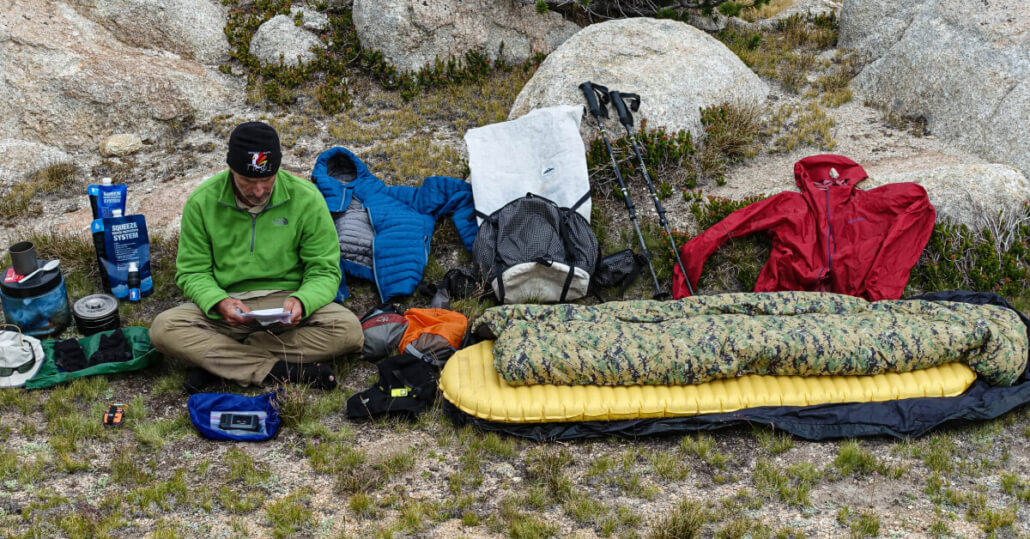
If you’re committed to using the 4.4-lb tent, consider trimming other parts of your load to compensate.
For example:
- Switch to a lightweight sleeping bag or quilt (save 1–2 lbs)
- Use a minimalist sleeping pad (save 0.5–1 lb)
- Carry a compact cook system (save 0.3–0.5 lb)
- Opt for dehydrated meals and minimal packaging
Even small savings add up. Trimming 1.5 lbs elsewhere helps balance the heavier tent and keeps your total pack weight in a comfortable range.
But remember: you can’t out-trim a heavy tent. If your base weight (gear + food + fuel, minus water) exceeds 25 lbs, fatigue will set in faster, especially on multi-day hikes.
Real-World Feedback from the Trail
Hiker Experiences with 4+ lb Tents
Several hikers have used 4.0–4.4 lb tents on similar trails and found them manageable but tiring over long days.
One user shared that a 4.2-lb tent “didn’t feel bad in a 30L pack,” but they “definitely noticed it by mile 10.”
Another noted: “It’s not a dealbreaker, but it’s not ideal. I switched to a 3.3-lb tent and immediately noticed the difference in endurance.”
These firsthand accounts suggest that while 4.4 lbs won’t stop you from completing the trip, it will affect your comfort and energy levels, especially at 10–12 miles per day with a full food load.
When to Stick With 4.4 lbs
You Value Comfort Over Speed
If your priority is spaciousness, easy setup, or durability, and you’re not pushing for long daily miles, a 4.4-lb tent may suit you well. Backpacking isn’t a race. Many hikers prefer a roomier shelter, even if it means a heavier pack.
This makes sense if:
- You’re hiking shorter distances (5–7 miles/day)
- You have strong fitness and no joint issues
- The tent has excellent ventilation and storm protection
- You’re using it for multiple trips over years
In these cases, the weight trade-off can be justified by long-term comfort and reliability.
You’re New to Backpacking
Beginners often prioritize ease of use over weight. A heavier, freestanding tent with color-coded poles and simple setup reduces stress on early trips. Learning to pitch a complex ultralight tent in the dark or wind can be frustrating.
If you’re new to multi-day hiking, starting with a more forgiving shelter, even if it’s a bit heavy, can boost confidence. You can always upgrade to lighter gear later as you gain experience.
How to Make the Final Decision
Use the “Per Mile” Rule
Ask yourself: Am I willing to carry an extra 0.9 lbs for every mile I hike?
On a 2-night trip averaging 10 miles per day, that’s 20 miles with 0.9 lbs over ideal, nearly 18 extra pound-miles of effort. That may not sound like much, but it’s equivalent to carrying a full liter of water for the entire trip, just in your tent.
If that feels excessive, it’s a sign to look for a lighter option.
Test Before You Commit
If possible, try the tent in your pack on a day hike or short overnight. Load your pack with a similar weight distribution and walk 5–7 miles on varied terrain. Pay attention to:
- Shoulder and hip strain
- Balance and stability
- Fatigue in legs and back
Real-world testing gives you better insight than any spec sheet.
Final Tips for Smart Shelter Choices
Prioritize Weather Protection Without the Weight
Look for tents with:
- Full-coverage rainfly (extends to ground for storm protection)
- Dual-layer construction (mesh inner + solid outer for ventilation)
- Steep walls and good pole geometry (sheds wind and rain)
- Color-coded poles and clips (faster, easier setup)
These features don’t require heavy materials. Many ultralight tents include them.
Consider a Tarp-Tent or Bivy for Ultimate Lightness
If you’re open to alternative shelters:
- Tarp-tents (like the Six Moon Designs Lunar Solo) weigh 1.5–2.5 lbs with strong weather protection
- Bivy sacks with trekking pole support (e.g., Zpacks Plex Solo) come in under 2 lbs
These options save significant weight but require more setup skill and offer less space. Best for experienced hikers or solo trips where minimalism is key.
Don’t Forget the Footprint
Many hikers forget to include the tent footprint or groundsheet in their weight calculations. Adding a 0.5–0.8 lb footprint to a 4.4-lb tent pushes it to 5 lbs, definitely too heavy for a 2-nighter.
When comparing tents, always check if the weight includes the footprint, stakes, and stuff sack. Use trail weight (all essential components) for accurate comparisons.
Frequently Asked Questions About Backpacking Tent Weight
Is 4.4 lbs too heavy for a 2-night backpacking trip?
A 4.4-lb tent sits at the upper end of acceptable for a 2-nighter. Most hikers aim for under 4 lbs for short trips, with sub-3.5-lb models offering the best balance of comfort and weight savings. It’s not a dealbreaker, but you’ll likely feel the extra ounces over 10+ mile days.
What is a good weight for a backpacking tent?
For most 2 to 3-night trips, a good backpacking tent weight falls between 2.5 and 3.5 lbs for solo hikers and 3 to 4 lbs for 2-person shelters. Anything under 3.5 lbs is considered lightweight and offers noticeable endurance benefits on rugged trails.
Does tent weight really make a difference on the trail?
Yes. Even 0.5 lbs adds up over long days, especially on trails with elevation changes and rough terrain. Lighter tents reduce fatigue, improve mobility, and make rest breaks more refreshing. Over multi-day hikes, weight savings compound significantly.
Can I make a heavier tent work for a 2-night trip?
Absolutely. If you’re sharing the tent with a partner, prioritizing durability, or hiking shorter daily miles, a 4.4-lb tent can work fine. Just be prepared for slightly more fatigue and consider trimming weight elsewhere in your pack to compensate.
What are the lightest reliable tents for backpacking?
Top lightweight options include the Big Agnes Fly Creek HV UL2 (2.9 lbs), Nemo Dagger 2P (3.3 lbs), and MSR Hubba Hubba NX 2 (3.5 lbs in the lightweight version). All three offer strong weather protection and ventilation for their weight class.
Should I count the footprint in my tent’s total weight?
Yes. Always use trail weight, which includes the tent body, rainfly, poles, stakes, and footprint or groundsheet. A 4.4-lb tent with a 0.6-lb footprint becomes 5 lbs, which is heavy for a 2-nighter. Comparing trail weights ensures accurate decisions.
Key Takeaways for Choosing the Right Backpacking Tent Weight
A 4.4-lb backpacking tent is on the heavy side for a 2-night trip, but it’s not impossible to carry. It will add noticeable fatigue over long days and rugged terrain, especially at 10–12 miles per day. For most hikers, a tent under 3.5 lbs offers the best balance of comfort, protection, and packability.
If you value space or durability, a 4.4-lb tent can work, especially when shared with a partner. But for solo trips or high-mileage days, lighter options like the MSR Hubba Hubba NX 2 or Big Agnes Fly Creek HV UL2 deliver superior performance with less strain.
Your next step: weigh your tent including the footprint, calculate your true base weight, and test your pack on a short day hike before committing. If the numbers feel heavy, explore sub-3.5-lb alternatives that match your shelter needs. Remember: lighter doesn’t mean flimsy. It means smarter hiking.