
You’ve seen the breathtaking photos—sunlight filtering through towering pines, panoramic mountain ridges, serene alpine lakes—and you’re ready to step into that world. Good news: hiking is one of the most accessible outdoor activities, perfect for beginners of all ages and fitness levels. With just a sturdy pair of shoes, a water bottle, and a sense of curiosity, you can begin exploring nature today.
But if you’ve never hiked before, where do you start? What gear do you actually need? How do you stay safe and avoid common pitfalls? This guide delivers practical, actionable beginner hiking tips to help you hit the trail confidently and safely. No fluff, no jargon—just clear, step-by-step advice based on real outdoor experience.
You’ll learn how to choose the right trail, pack smart, dress properly, and handle everything from blisters to wildlife encounters. Whether you’re planning a solo walk in the woods or a weekend hike with kids and dogs, this guide has you covered.
Choose a Trail That Matches Your Skill Level
Picking the wrong trail can turn your first hike into a frustrating ordeal. The secret to a successful start? Begin with trails designed for beginners.
Start with Short, Flat Hikes
Aim for hikes under 3 miles round trip and less than 500 feet of elevation gain. These trails are typically well-marked, gently graded, and ideal for building confidence. Steep climbs may look short on paper but can be exhausting for new hikers.
Remember this rule: For every 1,000 feet of elevation gain, add roughly one hour to your hiking time. That means a 2-mile uphill trail with 1,000 feet of climb could take as long as a 6-mile flat hike.
Use Reliable Hiking Apps to Find Easy Trails
Download trusted apps like:
– AllTrails – Most popular, with user reviews, photos, and difficulty ratings
– Gaia GPS – Excellent for offline maps and detailed topography
– Hiking Project – Great for route data and trail conditions
Use filters to sort by “easy” or “beginner-friendly.” Read recent reviews to check for hazards like downed trees, high water crossings, or swarms of bugs.
Check Trail Conditions Before You Go
Never assume the trail is open or safe. Always verify:
– Weather forecast at trail elevation (not just the town’s forecast)
– Sunrise and sunset times (avoid hiking in the dark)
– Water sources and crossings
– Permit requirements (e.g., Angel’s Landing in Zion)
– Wildlife activity (bear season, rattlesnakes, ticks)
Check official park websites or call the ranger station for updates. A 10-minute call could save your day.
Pack the Ten Essentials for Safety
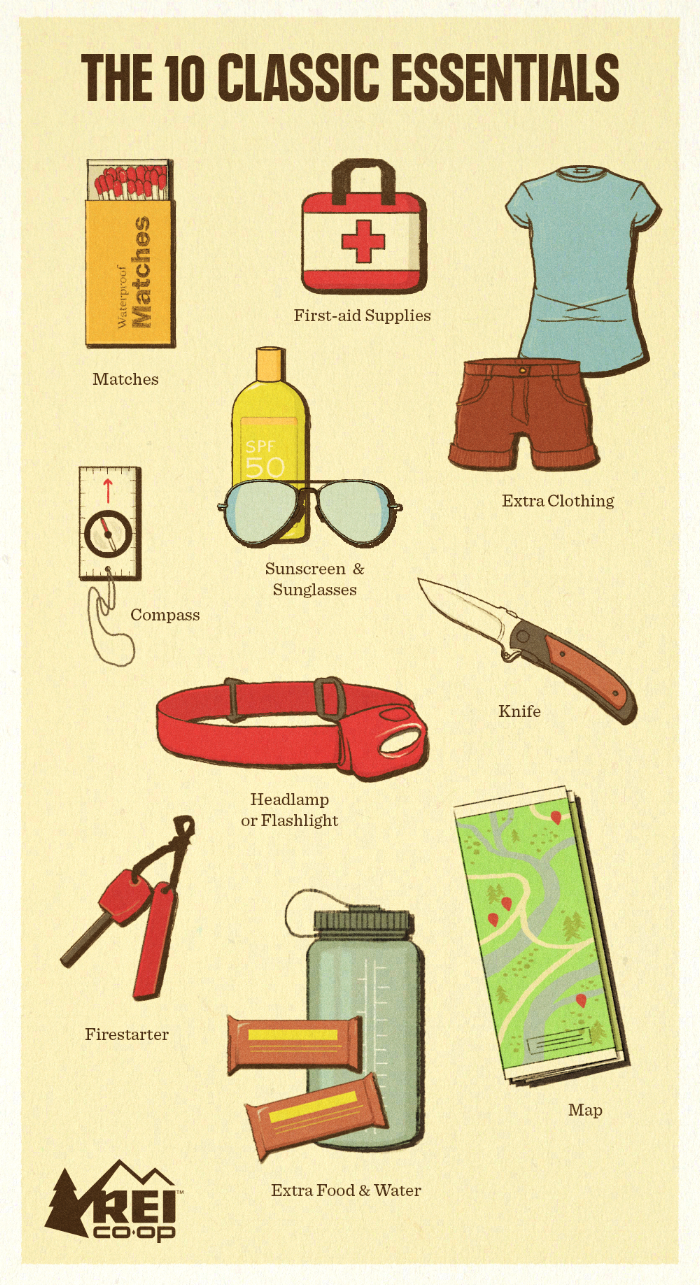
You don’t need expensive gear—but you do need these 10 critical safety items:
- Navigation – Paper map + compass (or downloaded offline map)
- Headlamp – With extra batteries (even for day hikes)
- Sun protection – SPF 30+ sunscreen, sunglasses, wide-brim hat
- First aid kit – Bandages, blister tape, antiseptic, pain relievers
- Fire starter – Lighter or waterproof matches
- Emergency shelter – Space blanket or bivy sack
- Extra food – At least 200–300 calories per hour
- Extra water – 1–2 liters minimum (more in heat)
- Extra clothing – Rain jacket, fleece, gloves, hat
- Tools – Multi-tool, whistle, duct tape
This list could save your life if you get lost, injured, or delayed.
Wear the Right Footwear and Socks
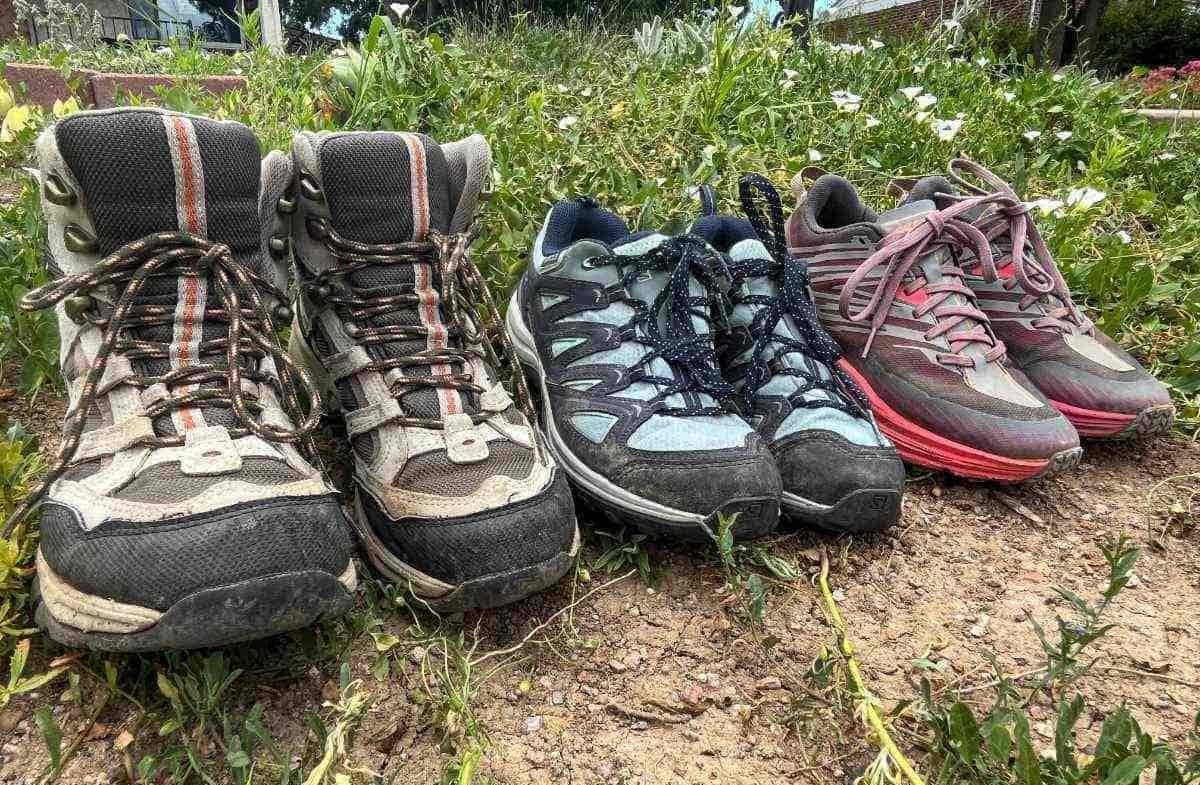
Your feet carry you—treat them right.
Choose the Best Hiking Shoes for Beginners
Avoid cotton socks and regular sneakers. Instead:
– Trail runners (like HOKA Speedgoat or Altra Lone Peak): Lightweight, fast-drying, perfect for easy to moderate trails.
– Hiking boots: Offer ankle support on rough terrain—but require breaking in.
– Hiking sandals (like Teva or Chaco): Only for warm, dry, flat trails.
Never wear flip-flops, jeans, or cotton socks—they trap moisture and cause blisters.
Pick Moisture-Wicking Socks
Wear merino wool or synthetic socks (e.g., Darn Tough). They reduce friction, regulate temperature, and resist odor.
Pro tip: Buy shoes a half-size larger—your feet swell when hiking. Try them on with your hiking socks.
Break in new shoes with short walks before tackling long trails.
Dress in Layers—And Skip the Cotton

Cotton is dangerous outdoors. When wet, it loses insulation and increases hypothermia risk.
Follow the 3-Layer System
- Base layer: Moisture-wicking fabric (merino wool or polyester). Long sleeves protect from sun and bugs.
- Mid layer: Insulating jacket (fleece or puffy) for warmth.
- Outer layer: Waterproof, windproof shell (rain jacket).
Temperatures drop about 3–5°F for every 1,000 feet you climb—so bring layers even on sunny days.
Additional Clothing Tips
- Wear long pants to guard against brush, ticks, and poison ivy.
- Light-colored clothes make ticks easier to spot.
- Bring a hat (sun hat or beanie), gloves, and neck gaiter depending on weather.
Stay Hydrated and Fueled
Dehydration and low energy are top reasons hikers cut hikes short.
Drink Enough Water
General rules:
– 1 liter per hour in hot weather
– 1 liter per 2–3 hours in cool weather
– Minimum 1–2 liters for a 5-mile hike
Turnaround rule: When your water is half gone, turn around—especially if no refill sources exist.
Use water bottles to monitor intake or hydration bladders for hands-free sipping.
For longer hikes, carry a water filter (e.g., Sawyer Squeeze) or purification tablets.
Eat High-Energy Snacks Every Hour
Consume 200–300 calories per hour to maintain steady energy. Good options:
– Trail mix (nuts, seeds, dried fruit)
– Jerky (beef, turkey, or plant-based)
– Nut butter packets or PB&J
– Apples, bananas, oranges
– Tuna pouches (with built-in fork)
– Granola bars (avoid high-sugar ones)
Pack out all food waste—even apple cores and banana peels. They harm wildlife and ecosystems.
Tell Someone Your Hiking Plan
This is the most important safety step.
Text or call a friend with:
– Trail name and location
– Route description and map
– Expected return time
– Vehicle details (parked at trailhead)
– Emergency contacts
If you don’t return, this info helps rescuers find you fast.
Use the LA County Sheriff’s hiking plan worksheet or simply write it down. For remote areas, consider a satellite communicator (e.g., Garmin inReach Mini 2).
Master Basic Navigation
Phones die. GPS fails.
Always carry:
– Paper topographic map
– Compass (and know how to use it)
Even if using AllTrails or Gaia GPS:
– Download offline maps
– Put phone in flight mode (with GPS on) to save battery
– Confirm your location at junctions
Practice map reading before heading deep into the backcountry.
Practice Trail Etiquette
Good manners keep trails safe and enjoyable for everyone.
Follow Right-of-Way Rules
- Uphill hikers have the right of way
- Yield to horses and pack animals—step off trail, speak calmly
- Mountain bikers yield to hikers
- Groups walk single file
- Stay to the right, step aside when passing or resting
Keep Noise Down
Avoid loud music or shouting. Let others enjoy nature’s sounds.
Leave No Trace: Protect the Wild
Follow the 7 Leave No Trace Principles:
- Plan ahead and prepare
- Travel on durable surfaces (stay on trail)
- Dispose of waste properly (pack out all trash, bury poop 6–8 inches deep, 200 feet from water)
- Leave what you find (no souvenirs)
- Minimize campfire impacts (use a stove)
- Respect wildlife (never feed animals)
- Be considerate of others
“Take only photos, leave only footprints.”
Handle Wildlife Encounters Safely
Animals usually avoid people—but know what to do.
Prevent Surprises
- Make noise as you hike—talk, sing, use a bell
- Keep distance—use binoculars, not phone zoom
- Never feed wildlife—it’s illegal and dangerous
If You See a Bear
- Black bear or coyote: Stand tall, wave arms, shout, use bear spray
- Grizzly bear: Play dead—lie flat, protect your neck
- Snakes: Back away slowly. Most bites happen from accidental stepping.
Hike with Kids, Dogs, or Solo
Hiking with Kids
- Use baby carriers (soft-shell for infants, backpack for toddlers)
- Start short and fun
- Bring extra snacks, water, sunscreen, and clothes
- Let kids set the pace
- Make it educational: “What animal made those tracks?”
Hiking with Dogs
- Confirm dogs are allowed
- Always leash your dog
- Bring water, bowl, waste bags, and paw balm
- Avoid hot pavement—it burns paw pads
Hiking Solo
- Share your plan with two people
- Carry pepper spray, personal alarm, or satellite messenger
- Stick to popular trails
- Trust your gut—if something feels off, turn back
To find a buddy:
– Join local hiking clubs
– Try Meetup.com or REI Experiences
– Look for Women Who Explore or Girls Who Hike
Pace Yourself and Listen to Your Body
Hiking isn’t a race.
Start Slow and Rest Often
Begin at a comfortable pace. Stop every hour to:
– Snack
– Hydrate
– Rest
– Enjoy the view
Let the slowest hiker set the pace in a group.
“The pace you naturally go is always the best pace.” – Tyler Tennant, Senior Guide
Know When to Turn Back
It’s okay to quit early. Pushing through fatigue leads to injury. There’s no shame in turning around—you’ll live to hike another day.
Avoid Common Beginner Mistakes
Don’t fall into these traps:
- Wearing cotton or jeans → causes chafing and hypothermia
- Underestimating water needs → leads to dehydration
- Starting too ambitious → causes burnout or injury
- Ignoring the weather → risks exposure
- Skipping blister care → treat hot spots early with leukotape
- Littering “natural” waste → harms ecosystems
- Over-relying on GPS → always carry a paper map
Bonus Tips for Smarter Hiking
Use Hiking Poles
Reduce knee strain, improve balance. Even on flat trails, they help.
Bring a Bandana
A $5 bandana can be:
– Sweat rag
– Sun shade
– Cooling neck wrap
– Emergency filter or sling
Eat Smart on the Trail
- Snack every hour
- Combine carbs, protein, and fat
- Bring extra food
Mindset Matters
- Start simple—you don’t need perfect gear
- Hiking is walking—don’t overthink it
- You belong outside, no matter your background
“You don’t have to summit a mountain for it to be a ‘hike.’ Walking through a forest, desert, or greenway all count.” – Seasoned hiker
Final Note: With the right preparation, respect for nature, and a spirit of adventure, hiking becomes a lifelong source of joy, health, and connection. Start small, stay safe, and let your journey begin.