
Hiking in the desert is a unique adventure—offering vast open skies, towering cacti, and canyons carved by time. But beneath the beauty lies a harsh environment where temperatures can exceed 115°F, water is scarce, and help may be hours or even days away. Unlike mountain trails or forest paths, the desert doesn’t forgive mistakes. A misjudged water supply, a skipped sun hat, or a single wrong turn can quickly escalate into a crisis. That’s why desert hiking tips aren’t just helpful—they’re essential for survival.
Most desert emergencies stem from poor planning, not bad luck. The dry air masks sweat loss, so you can dehydrate without feeling thirsty. The sun beats down relentlessly, and terrain that looks easy on a map can turn into a disorienting maze of sand and rock. Yet with the right preparation, you can hike safely and fully appreciate the silence, space, and raw beauty of the arid wilds. This guide delivers practical, field-tested desert hiking tips covering hydration, heat management, navigation, wildlife, and Leave No Trace ethics. Whether you’re trekking through Joshua Tree, the Grand Canyon, or a remote stretch of the Sonoran Desert, these strategies will keep you cool, found, and in control.
Time Your Hike Right: Beat the Heat Before It Beats You
Hike in Cooler Seasons for Safer Conditions
The best time to hike in the desert is spring (March–May) or fall (September–November), when daytime temperatures range from 60–75°F—ideal for sustained activity. These seasons offer blooming wildflowers, active wildlife, and comfortable hiking without the extreme stress of summer heat.
Winter can also be excellent, especially at lower elevations, though nights drop sharply—sometimes below freezing. If you’re hiking above 4,000 feet, pack warm layers and prepare for cold mornings. Summer, however, is dangerous. Daytime highs often surpass 100°F, and surface temperatures can exceed 140°F, turning sand and rock into scorching hazards.
Avoid hiking during monsoon season (mid-July to September) unless you’re experienced. Afternoon thunderstorms develop rapidly, and flash floods can surge through dry washes—even under clear skies miles away.
Start Before Sunrise—Or Hike at Night
To avoid the worst heat, start hiking before sunrise, ideally between 3:30 and 5:00 a.m. This allows you to complete your hike by 9–10 a.m., well before temperatures peak. The desert heats quickly after dawn, and shade becomes scarce.
If you must hike in extreme heat, consider night hiking. Temperatures drop significantly after sunset, making movement easier. But nighttime brings its own risks: reduced visibility, disorientation, and increased activity from nocturnal wildlife like rattlesnakes and scorpions. Always carry a headlamp with extra batteries, a paper map, compass, and a GPS device with offline maps. A watch helps track time and pace, since desert terrain can distort distance perception.
Hydrate Like Your Life Depends on It: Water Is Survival
Carry More Water Than You Think You Need
In the desert, water is non-negotiable. Carry at least 1 gallon (4 liters) per person per day—and more if temperatures exceed 90°F or the hike is strenuous. For intense summer hikes, aim for 4–6 liters per day. Don’t assume you’ll find water along the way. Springs dry up, tinajas (rock basins) evaporate, and livestock tanks may be contaminated or empty.
Use a combination of hydration bladders and durable water bottles for balance between accessibility and reliability. Collapsible water containers are useful for caching water on longer trips.
Drink Early, Drink Often—Don’t Wait for Thirst
Thirst is a late sign of dehydration. By the time you feel it, your body is already struggling. Pre-hydrate by drinking 1 liter of water 30–60 minutes before starting. Then, sip water continuously throughout your hike—every 15–20 minutes—to maintain fluid levels.
When you do find water, chug at the source. It’s far more efficient to carry water in your body than in your pack.
Replenish Electrolytes to Prevent Cramps and Collapse
Sweating in the desert drains sodium, potassium, and chloride—electrolytes critical for nerve and muscle function. Replacing them prevents cramps, fatigue, and hyponatremia, a dangerous condition caused by drinking too much plain water without salt.
Add electrolyte tablets (like Nuun or Liquid IV) to your water, or mix a teaspoon of salt per liter. Eat salty snacks—jerky, trail mix, crackers—regularly. Avoid sugary sports drinks if they cause stomach upset. For long hikes, choose electrolyte products with glucose, which enhances absorption in extreme heat.
Prevent Heat Illness Fast: Know the Signs, Act Immediately
Spot Dehydration Before It Worsens
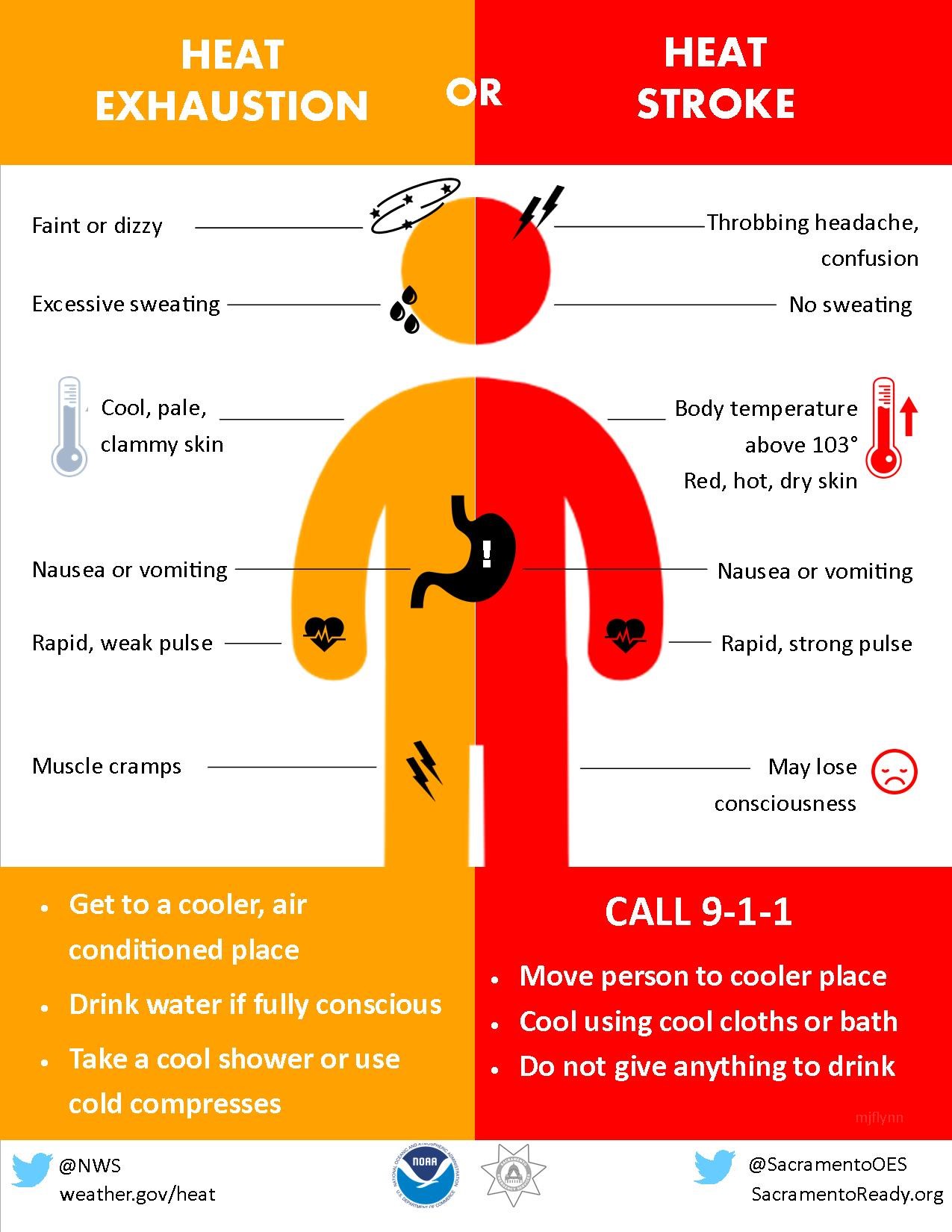
Early signs include dry mouth, headache, dark urine, dizziness, and fatigue. If you notice any of these, stop, rest in shade, and drink water with electrolytes. Cool your neck, wrists, and forehead with a damp bandana. Ignoring these signals can lead to heat exhaustion.
Recognize and Treat Heat Exhaustion
Symptoms: Heavy sweating, nausea, rapid pulse, cool/moist skin, muscle cramps, and confusion. This is your body’s warning before heat stroke.
Immediate action:
– Move to shade
– Drink electrolyte water
– Apply wet cloths and fan the skin
– Rest for at least 30 minutes
If symptoms don’t improve, seek medical help. Unchecked heat exhaustion can turn fatal.
Respond to Heat Stroke—It’s a Medical Emergency
Heat stroke is life-threatening. Body temperature exceeds 104°F, skin is hot and dry, and mental state deteriorates—slurred speech, confusion, or unconsciousness.
Do this now:
– Call 911 immediately
– Move to shade
– Cool the body as fast as possible: immerse in water, apply ice to armpits/groin, spray and fan
– Do not give fluids if unconscious
Every minute counts. Heat stroke can cause organ failure within an hour.
Dress for Sun and Swings: Protect Yourself from Extremes
Wear Long, Loose Clothing for Maximum Protection
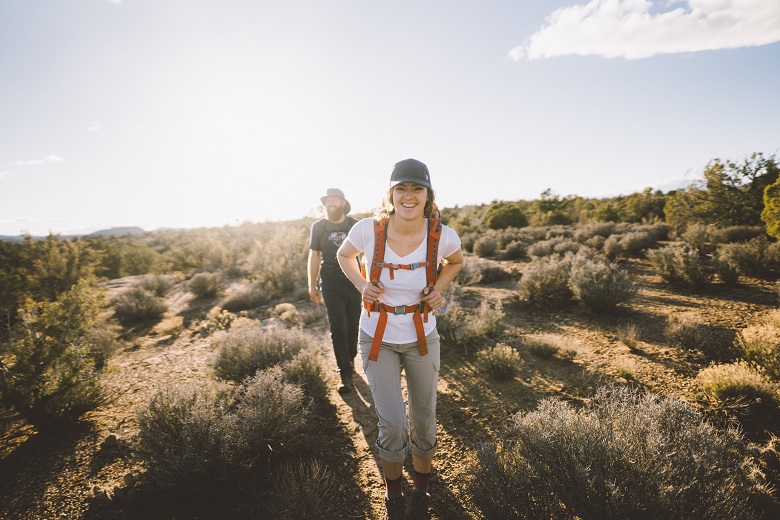
Contrary to instinct, long sleeves and pants are your best defense. They block UV rays, reduce evaporation, and provide cooling when damp. Choose light-colored, moisture-wicking fabrics—synthetics or merino wool. Avoid cotton, which holds sweat and causes chafing.
Look for UPF-rated clothing (30+), designed to block harmful radiation. Trail runners or lightweight boots with good ventilation help prevent blisters.
Shield Head, Eyes, and Hands
- Wide-brimmed hat (3+ inches) protects face, neck, and ears.
- Polarized sunglasses with 100% UV protection prevent eye damage. Use a strap to keep them secure.
- Sun gloves guard hands from sunburn and abrasion.
- A neck gaiter or buff can cover exposed skin and be soaked for cooling.
Apply Sunscreen Religiously—and Reapply
Use SPF 30+ on all exposed areas: face, ears, neck, hands, arms. Reapply every 2 hours, especially after sweating. Don’t forget SPF lip balm—sunburned lips are common and painful.
Layer for Extreme Swings: Desert Nights Are Cold
Prepare for 40–60°F Temperature Drops
Deserts cool rapidly at night due to low humidity. Even in summer, temperatures can plunge after sunset. Pack a lightweight insulating layer—fleece, puffy jacket, or vest—and warm accessories: beanie, gloves, and dry socks.
Stay Dry to Avoid Hypothermia
Wet clothing increases heat loss. Carry extra dry clothes in a waterproof bag. Change into dry layers at camp. Include a light rain shell—sudden storms occur during monsoon season.
Navigate Like a Pro: Trails Fade, GPS Dies
Use Map, Compass, and GPS—Don’t Rely on Phones Alone
Desert trails are often faint or unmarked. Carry a paper map and compass (e.g., National Geographic Trails Illustrated) and a GPS device or app with offline maps downloaded. Test your setup before leaving.
Follow Trail Markers Carefully
- Cairns (rock stacks) mark routes. Never build or move them.
- Paint blazes on rock indicate trails.
- Log or rock barriers show trail edges—step over only at clear crossings.
Plan Escape Routes for Floods and Emergencies
In washes or canyons, know where high ground is. Mark waypoints for water sources and junctions on your GPS.
Avoid Flash Floods: Water Moves Faster Than You Can Run
Know When Floods Happen
Floods can occur miles from a rainstorm. Dry soil can’t absorb water, so runoff surges through washes—even on sunny days.
High-risk times: Monsoon season, afternoon thunderstorms.
Watch for Warning Signs
- Dark clouds
- Distant thunder
- Gurgling sounds
- Sudden rise in water
- Floating debris
Act Immediately
- Check weather radar before and during hikes
- Avoid narrow canyons if rain is forecast
- If a flood is coming, climb to high ground fast
- Wait 30 minutes after the last rain before resuming travel
Handle Wildlife Safely: Respect, Don’t Fear
Avoid Rattlesnake Encounters
Rattlesnakes are most active at dawn and dusk. Watch where you step and place hands. Never step over logs or rocks blindly. Shake out shoes and gear. If you see one, back away slowly—they strike only when threatened.
Watch for Scorpions and Spines
Shake out shoes and sleeping bags. Use DEET repellent. For cactus spines:
– Tweezers for large spines
– Duct tape for tiny glochids
– Carry a multi-tool with pliers
Protect the Desert Floor: Leave No Trace
Preserve Cryptobiotic Soil
A single footprint can destroy 50+ years of growth. Stay on rock, sand, or established trails. Never cut switchbacks.
Pack Out All Waste
Use WAG bags for human waste. Pack out all trash, food scraps, and hygiene products. Urinate 200 feet from water sources.
Camp Responsibly
Use existing sites, avoid vegetation, and never build campfires unless in designated rings.
Final Checklist: 10 Core Desert Hiking Tips
- Carry 1 gallon of water per day—assume no sources exist.
- Start hiking before sunrise to beat the heat.
- Wear long, light-colored clothing and a wide-brimmed hat.
- Replenish electrolytes with every liter of water.
- Use a paper map and compass—don’t rely on phones alone.
- Avoid washes and canyons if rain is in the forecast.
- Pack out all waste using WAG bags.
- Stay on trail to protect cryptobiotic soil.
- Watch for rattlesnakes—never step over rocks blindly.
- Listen to your body—heat illness moves fast. Rest early.
The desert rewards preparation with silence, space, and awe. With these desert hiking tips, you’ll stay safe while experiencing one of Earth’s most extreme—and beautiful—landscapes.