
A dull or corroded headlamp reflector compromises your safety and often causes mandatory inspection failures. Professional headlamp reflector repair restores the mirror finish lost to oxidation and time.
You will learn why electroplating beats spray kits and how to choose the right restoration path. This guide covers costs, processes, and steps to ensure your lights pass compliance tests.
Why Professional Electroplating Outperforms DIY Fixes
Professional triple-layer electroplating serves as the gold standard for restoring metal reflectors. This industrial process rebuilds the reflective surface at a molecular level for lasting durability. Unlike surface sprays, it ensures optical accuracy essential for safe night driving.
The Triple-Layer Chrome Plating Process
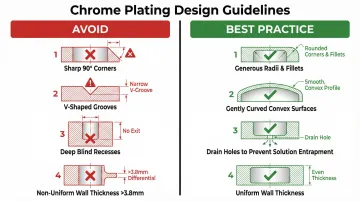
- Chemical Stripping: The unit sits in a specialized bath to remove old plating and rust. This creates a clean metal substrate for new layers.
- Precision Polishing: Technicians hand-polish the metal to eliminate scratches. A flawless surface prevents light scatter and improves focus.
- Nickel Undercoat Application: A layer of nickel bonds to the metal as a corrosion barrier. Skipping this step drastically reduces the lifespan of the repair.
- High-Gloss Chrome Finish: The final electrochemical deposition adds a mirror-bright chrome layer. This restores nearly 90% light return for OEM-level performance.
Why Nickel Plating Cannot Be Skipped

Cheap repair attempts often apply chrome directly to bare metal, leading to rapid failure. Nickel prevents rust and provides the smooth base required for proper chrome adhesion. Moisture penetrates without it, causing the finish to blister and peel quickly. Professional shops using ISO 9001 processes never omit this critical foundation.
Risks and Limitations of DIY Spray Kits
Chrome spray paints market themselves as quick, affordable fixes for degraded reflectors. While they may improve appearance temporarily, they fail to deliver functional or lasting results for drivers.
Spray Coating vs Real Chrome

- Adhesion Issues: Spray coatings sit on the surface rather than bonding molecularly. Vibration and heat cycles cause them to crack and peel.
- Optical Inefficiency: Most sprays create a matte finish that scatters light instead of focusing it. This reduces visibility and creates dangerous glare for others.
- Short Lifespan: Users report fading within months, especially in humid or coastal environments.
- Prep Sensitivity: Any residual grease under the coating leads to immediate failure. Achieving required cleanliness at home is extremely difficult.
When DIY Might Work
Spray kits may work for show-only vehicles that rarely drive at night. However, daily drivers and safety-critical lighting need reliable solutions. Enthusiast forums consistently warn against relying on sprays for anything beyond temporary cosmetic touch-ups.
Replace or Restore: Making the Right Choice
Deciding between replacing the entire unit or repairing the reflector depends on cost and authenticity. Your specific vehicle model often dictates the best path forward.
Restoration Advantages
- Cost-Effective: Restoring original reflectors is typically 30–50% cheaper than sourcing rare OEM replacements.
- Preserves Authenticity: Critical for concours restorations on Porsches or classic British cars.
- Eco-Friendly: Reusing existing components reduces waste and resource consumption significantly.
Replacement Considerations
New aftermarket reflectors are available for some models, pre-plated and ready to install. These work well if the original is physically cracked or warped beyond repair. However, many classic vehicles have no replacements available, making professional restoration the only viable path.
Achieving MOT Compliance and Safety Standards
In the UK, headlamp condition is a key part of the MOT test. Dull or pitted reflectors are common failure points that compromise road safety.
How Restoration Passes MOT
- Restored Reflectivity: A properly replated reflector reflects nearly all light for correct beam intensity.
- Clear Beam Pattern: Smooth surfaces focus light precisely, eliminating scatter that blinds oncoming traffic.
- Verified Success: Customers report passing MOT tests after restoration where they previously failed due to dim lights.
Visual Cues of Failure
Inspect your lights closely for cloudy or milky appearances behind the lens. Look for rust spots, flaking metal, or dark patches indicating oxidation. Reduced nighttime beam distance also signals the need for immediate headlamp reflector repair.
Service Logistics and Turnaround Times
Getting your reflectors professionally restored is a straightforward process with UK-based providers. Most services operate on a efficient mail-in model for customer convenience.
5–7 Day Turnaround Timeline
- Remove and Pack: Safely detach headlamp bowls, removing lenses and filaments first.
- Ship to Lab: Use secure packaging like foam and double-boxing to prevent transit damage.
- Processing: Allow 3–5 days for stripping, polishing, plating, and quality checks.
- Return Shipment: The reflector returns ready for reassembly and installation.
Packaging and Shipping Tips
- Disassemble Fully: Remove glass lenses and bulbs before shipping. Residual sealant can interfere with the plating process.
- Wrap Individually: Use soft cloth or bubble wrap to prevent scratches during transit.
- Use Sturdy Boxes: Reflectors are thin and can bend, so rigid packaging is essential.
- Label Clearly: Include your name, contact info, and order reference inside the box.
Cost Analysis and Value Proposition
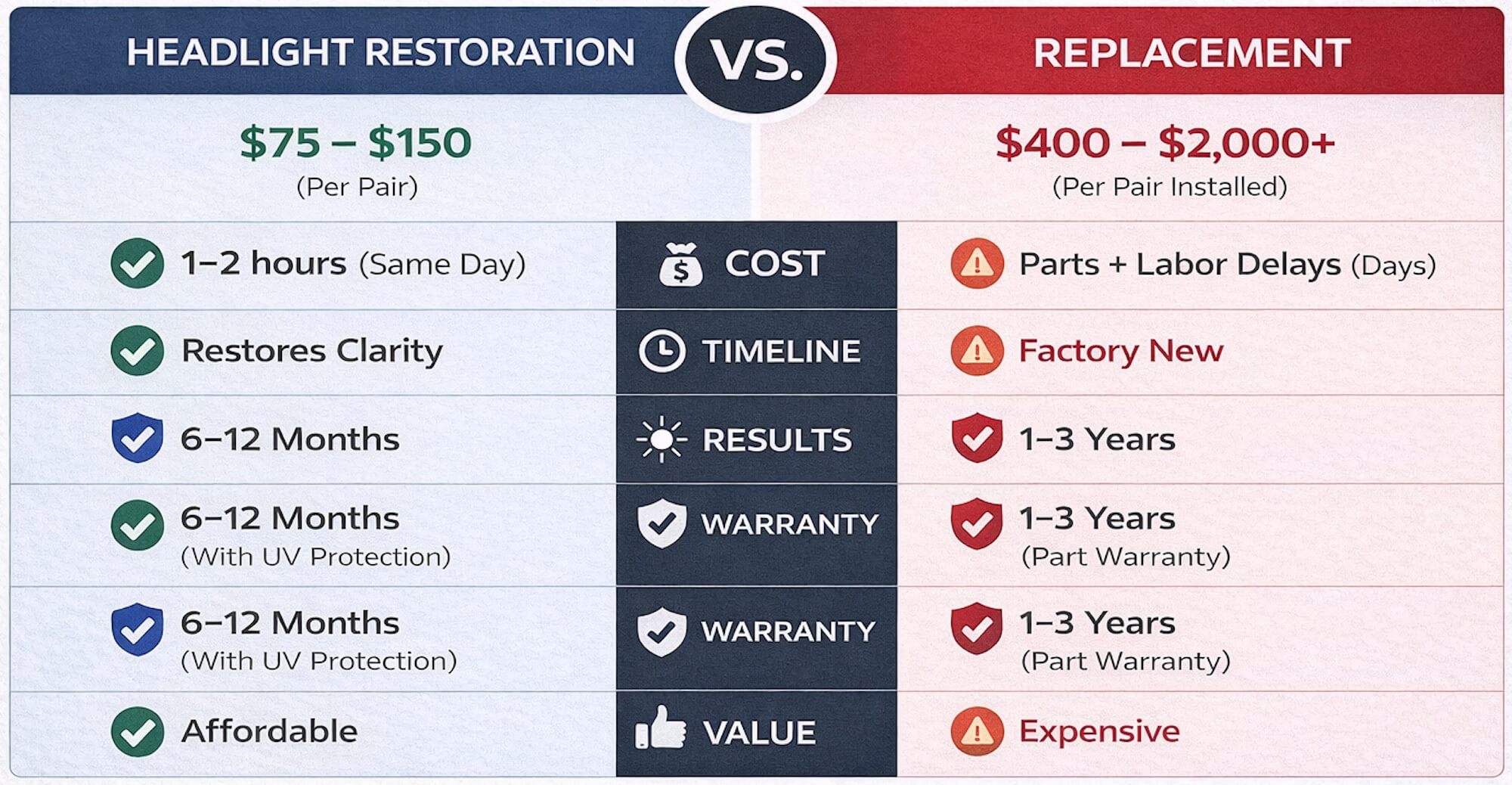
Restoration offers significant value compared to buying new parts for classic vehicles. The long-term benefits far outweigh the initial investment in professional services.
Is Restoration Worth It?
For classic and vintage vehicles, the answer is unequivocally yes. A new NLA Porsche 911 headlamp bowl can cost over £300. Professional re-chroming typically costs between £80 and £150 per unit. A DIY spray kit costs less but likely needs redoing in 6–12 months.
Free Quoting Services
Reputable shops offer free estimates via email or online forms. Simply send photos of your reflectors along with your vehicle make and model. You will receive a fixed price with no hidden fees before you ship anything.
Maintenance After Headlamp Reflector Repair
A restored reflector can last decades with proper care, but misuse can ruin it fast. Gentle cleaning preserves the delicate chrome surface effectively.
Cleaning Without Damage
- Use: Soft microfiber cloth and mild soapy water only.
- Method: Gently wipe in straight lines to avoid micro-scratches.
- Dry: Use a second clean, dry cloth to prevent water spots.
What to Avoid
Never use abrasive cleaners, scouring powders, or steel wool on the surface. Avoid chrome polishes as most contain abrasives that degrade the thin chrome layer. High-pressure washers can force water behind the reflector, leading to internal fogging.
Ideal Candidates for Professional Restoration

This service benefits owners of vehicles from the 1960s to 1990s with metal headlamp bowls. Specific models see the greatest improvement in performance and value.
Classic and Vintage Car Owners
Models like the Porsche 911 (1964–1989) and Holden HQ series benefit immensely. British classics from Triumph, MG, and Jaguar also see restored authenticity. Classic American muscle cars with replaceable reflectors gain significant value too.
Motorcycle Enthusiasts
Many vintage bikes have chrome headlamp bowls that corrode over time. Rebuilding them ensures safe night riding and compliance with UK lighting regulations. Restoration shops and detailers also use this service to deliver high-end results for clients.
Why Trust Professional Plating Services
Top providers adhere to international standards to ensure quality and safety during the process. These certifications guarantee your parts are handled with precision and care.
ISO-Certified Quality Assurance
- ISO 9001: Ensures quality management for consistent, reliable service delivery.
- ISO 14001: Indicates adherence to environmental responsibility in chemical handling.
- ISO 45001: Verifies workplace safety for handling hazardous plating materials.
Verified Customer Satisfaction
Over 150 verified reviews show a 4-star average for professional services. Customers describe the finish as stunning and note they passed MOT tests after years of failing. One Porsche 911 owner noted the work was so accurate it was difficult to photograph the difference.
Frequently Asked Questions About Headlamp Reflector Repair
Can I repair a headlamp reflector myself with spray paint?
While possible, spray paint lacks the durability and optical clarity of professional plating. It often peels quickly and scatters light, making it unsafe for regular driving.
How long does professional headlamp reflector repair take?
Most professional services complete the process within 5 to 7 working days from receipt. This includes stripping, polishing, plating, and return shipping time.
Will restored reflectors pass the UK MOT test?
Yes, properly restored reflectors meet MOT standards by providing correct beam patterns and intensity. Dull or corroded reflectors are a common cause of failure that restoration fixes.
Is it cheaper to replace or restore classic car reflectors?
Restoration is typically 30–50% cheaper than sourcing rare new parts for classic cars. It also preserves authenticity, which is vital for vehicle value.
What vehicles benefit most from reflector restoration?
Classic cars from the 60s to 90s and vintage motorcycles benefit most due to parts scarcity. Models like the Porsche 911 and Holden HQ series see significant performance gains.
How do I clean restored chrome reflectors safely?
Use only a soft microfiber cloth with mild soapy water and wipe in straight lines. Avoid abrasive polishes or high-pressure washers that can damage the thin chrome layer.
Key Takeaways for Successful Headlamp Reflector Repair
Professional triple-layer electroplating offers the only long-term solution for degraded metal reflectors. DIY sprays compromise safety and durability, while restoration ensures MOT compliance and optical performance. Investing in expert repair preserves your vehicle’s heritage and keeps you safe on the road.
Contact a certified provider today to get a free quote for your classic car or motorcycle. Restoring your reflectors now prevents future inspection failures and restores your nighttime visibility.