
You’re snug inside your sleeping bag on a cold camping night, yet your teeth still chatter. The wind picks up outside, and despite being surrounded by fabric, you feel the cold air creeping in. Staying warm in a tent is a real challenge, but it is one you can solve with the right preparation. Knowing how to stay warm in a tent means understanding that tents only trap heat; they never create it. Without smart strategies, your body heat vanishes fast, turning a peaceful trip into a freezing ordeal.
This guide breaks down practical, field-tested methods to keep your tent warm in cold weather. You will learn where to pitch your shelter, how to insulate properly, what to wear, and what tools to use. These tips work for backpackers tackling frosty peaks and car campers facing chilly autumn nights alike. Read on to turn your cold tent into a cozy retreat.
Pick the Best Tent Location to Block Cold Air
Your campsite choice plays a huge role in your comfort. A bad spot exposes you to wind, moisture, and cold air drainage, all of which drain your body heat.
Pitch Above Low-Lying Cold Pockets
Cold air sinks and gathers in valleys, ditches, and dips. Sleeping in these spots feels like resting at the bottom of a freezer. Set up your tent on slightly higher ground so you stay above the coldest air layers. Use natural windbreaks like tree lines or rock walls for shelter, but stay clear of lone tall trees that pose a lightning risk in storms.
Position Your Tent to Deflect Wind
Wind pulls heat from your skin and tent through convection. Angle your tent so the smallest wall faces the wind, typically the door side. Use bushes, boulders, or a quick snow wall to block gusts. If nature offers no cover, string up a tarp or stack gear to build a windbreak. A barrier as low as 3 to 5 feet can slash cold air intrusion.
Keep Distance from Water Sources
Moisture speeds up heat loss and makes cold air feel harsher. Avoid pitching near lakes, rivers, or soggy soil. Wet ground pulls heat from your tent far faster than dry ground. Search for dry, elevated patches beneath pine trees, which shed water and offer light insulation.
Block Heat Loss Through the Ground
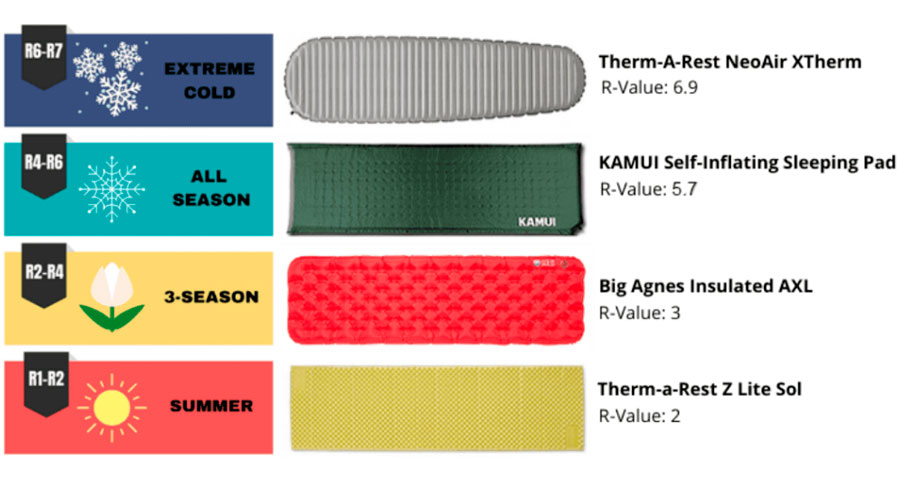
Up to 90 percent of body heat escapes through the ground when you lie on cold soil. Your sleeping pad is your main shield.
Choose a Sleeping Pad With a High R-Value
The R-value measures insulation strength. The higher the number, the better the pad blocks heat transfer to the cold earth. For cold weather, pick a pad rated 4.0 or above. Closed-cell foam pads like the Z-Lite are light and tough. Inflatable pads feel plusher and often insulate better. For serious cold, stack a foam pad under an inflatable for double protection.
Never Sleep Directly on the Tent Floor
Tent floors provide almost no insulation. Always use at least one full-length sleeping pad. If you are car camping, toss a reflective emergency blanket or foam layer under your pad for extra warmth. Note that inflatable pads insulate best when filled with air, not your breath, since breath moisture can freeze and damage the pad.
Layer Up With Thermal Sleep Clothes

Your clothing affects your warmth as much as your sleeping bag.
Wear Moisture-Wicking Base Layers
Pull on dry, synthetic or wool base layers on both halves and in your core. Skip it entirely because it can trap sweat and cool you down fast. Merino wool and synthetic fabrics pull moisture off your skin and keep you dry. Add a light down or synthetic jacket in deep cold, but avoid overdressing since sweating creates dampness.
Cover Your Head and Feet
Your head and feet lose heat rapidly. Wear a warm beanie or balaclava to bed. Slide on wool or thermal socks, but make sure they fit loose enough to allow blood flow. Tight socks cut circulation and make your feet colder. Pack a spare pair of dry socks to change into right before you sleep.
Avoid Sweating at Night
Sweat dampens your sleeping bag and kills its insulation. Vent your tent a little and unzip your bag if you feel too warm. The goal is cozy, not hot. Staying dry is the secret to staying warm.
Match Your Sleeping Bag to the Conditions
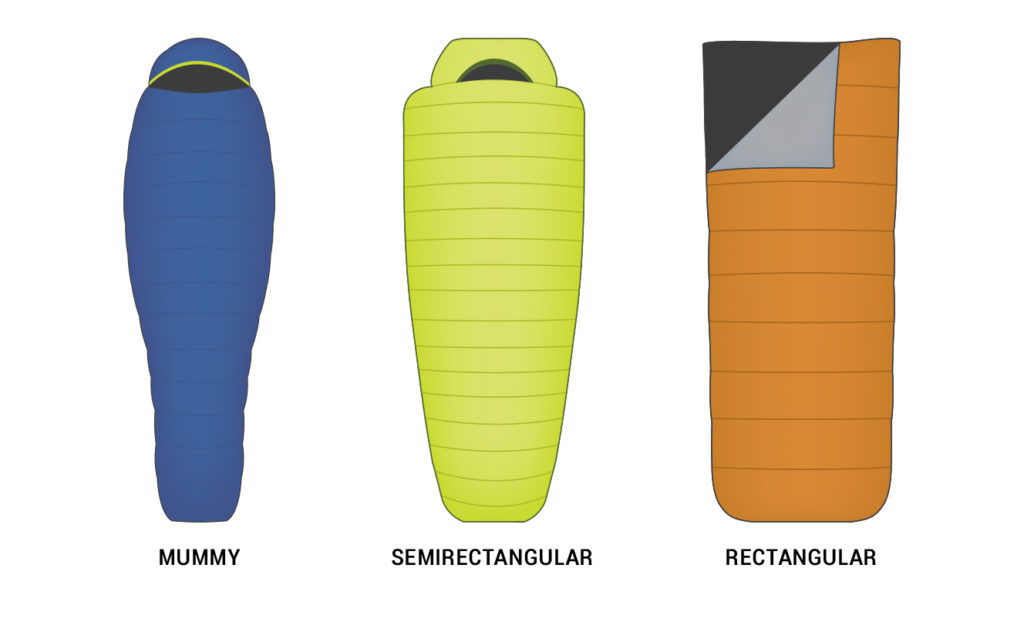
Your sleeping bag matters most, but only if you use it right.
Pick a Bag Rated Below the Forecast Low
Select a bag rated at least 10°F below the lowest expected temperature. A bag rated to 20°F is not safe for a 25°F night. Mummy-style bags with hoods and draft collars seal in heat better than rectangular designs. Down bags are light and pack small, yet they lose warmth when wet. Synthetic bags keep insulating even when damp.
Boost Warmth With a Sleeping Bag Liner
A thermal liner raises your bag’s temperature rating by 5 to 15°F. Silk, fleece, and thermal liners are light and packable. They also keep your bag clean, helping it to last longer and perform better.
Keep Moisture Out of Your Bag
Your breath and sweat add moisture to your bag overnight. Never climb in with wet clothes. Wipe your face before bed and vent your tent to lower humidity. Store your bag loosely when you are not using it so the insulation stays fluffy.
Add Safe, Portable Heat Sources to Your Tent
Tents are not made for heaters, but a few safe tricks add serious warmth.
Use a Hot Water Bottle for Hours of Heat
Fill a sturdy bottle with hot but not boiling water, seal it tight, and tuck it into your bag near your core or feet. A Nalgene or thermos bottle works great. This trick keeps you cozy for hours and doubles as a hot drink in the morning.
Try Warmed Rocks With Caution
Heat a dry, fist-sized rock in your fire for 20 to 30 minutes. Wrap it in a sock or cloth and place it in your bag. Never use wet rocks because trapped steam can make them explode. Always wrap the rock well to prevent burns. This method adds warmth but carries more risk than a hot water bottle.
Skip Open Flame Heaters Indoors
Never use propane heaters, stoves, or candles inside your tent. They use up oxygen and release deadly carbon monoxide. They also create fire hazards in nylon tents. For safer options, try battery-powered heated sleeping pads or heated socks.
Control Condensation With Proper Ventilation

It feels wrong to open a tent in the cold, but ventilation keeps you warmer.
Crack a Vent or Window
Closed tents trap breath and create condensation that coats the walls. That moisture makes you feel colder. Open a small vent or the door on the side sheltered from wind. Airflow lowers humidity and keeps your bag dry.
Wipe Down Moisture Each Morning
Use a microfiber cloth to remove condensation from tent walls after waking. This prevents water from soaking your gear and helps your tent dry faster. If condensation is heavy, consider moving your tent or opening more vents next time.
Eat and Drink Smart Before Bed
Your body makes heat from the food you eat and the fluids you drink.
Snack on High-Fat Foods Before Sleeping
Fats give your body long-burning fuel for heat. Eat nuts, cheese, peanut butter, or a bit of chocolate before bed. A small snack can noticeably raise your overnight warmth.
Drink Warm Fluids and Stay Hydrated
Sip warm water or herbal tea before bed. Good hydration keeps blood flowing and helps your body hold heat. Avoid alcohol because it expands blood vessels and makes you lose heat faster. Drink water steadily through the day to prevent dehydration.
Do Light Exercise Before Bed
Spend 5 to 10 minutes doing jumping jacks, stretching, or a brisk walk. This raises your core temperature so you fall asleep warmer. Change into dry clothes right after to keep that heat in.
Apply Extra Techniques for Extreme Cold
Freezing temperatures demand stronger measures.
Add a Bivy Sack or Inner Tent
A bivy sack over your bag adds a windproof and water-resistant shell that traps heat. Some tents have inner mesh tents you can close for added insulation.
Combine Two Sleeping Bags
In deep cold, sleep in two bags layered together or use a sub-zero insert. Make sure the outer bag is larger so it does not crush the inner bag’s loft.
Share Body Heat With a Partner
Camp with a friend? Zip two bags together or lie side by side in one large bag. Sharing body heat boosts warmth fast. Insulate both sleepers from the cold ground with a double-wide sleeping pad.
Frequently Asked Questions About Staying Warm in a Tent
What is the best way to stay warm in a tent at night?
The best method combines a high R-value sleeping pad, a properly rated sleeping bag, and dry base layers. Add a hot water bottle in your sleeping bag to boost warmth safely.
Can you use a heater inside a tent safely?
No. Propane heaters, stoves, and candles release carbon monoxide and create fire risks. Use battery-powered heated pads, socks, or a hot water bottle for safe warmth.
Why is my tent cold even with a sleeping bag?
Your sleeping pad likely lacks enough insulation, letting ground cold drain your heat. Moisture inside the tent from poor ventilation also causes chill. Switch to a higher R-value pad and open a vent to fix the problem.
What should I wear to sleep in a cold tent?
Wear moisture-wicking base layers made of merino wool or synthetics. Add a beanie, thermal socks, and a light jacket. Avoid overdressing to prevent sweating.
How do I prevent condensation in my tent?
Crack a vent or door to create airflow on the sheltered side of your tent. Wipe down walls each morning and avoid bringing wet gear inside.
Does eating before bed really keep you warmer?
Yes. High-fat snacks give your body fuel to produce heat overnight. Warm drinks also help, but skip alcohol because it increases heat loss.
Final Thoughts on Staying Warm in a Cold Tent
Staying warm in a tent comes down to smart planning and the right gear. Choose a sheltered campsite above low ground. Block wind and water. Insulate beneath you with a high R-value pad. Wear dry, wicking clothes to bed and pick a sleeping bag rated for the cold you expect. Add safe heat like a hot water bottle, vent your tent to fight condensation, and fuel your body with high-fat snacks and warm drinks.
With these strategies, you can turn a freezing night into a restful, enjoyable experience. Pack smart, prepare well, and get ready to sleep warm on your next cold-weather adventure.