
Your Black Diamond headlamp sits dark in your hand despite fresh batteries and a working switch. Many hikers panic thinking the unit is dead, but the device is likely just stuck in a no-power state. You can often unlock a Black Diamond headlamp by correcting simple battery alignment or cleaning dirty contacts.
This guide walks you through exact steps to restore power without needing repairs. You will learn to diagnose orientation errors, clean critical connection points, and reset the internal circuit. Follow these proven methods to get your light working again before your next night hike.
Diagnose Incorrect Battery Orientation
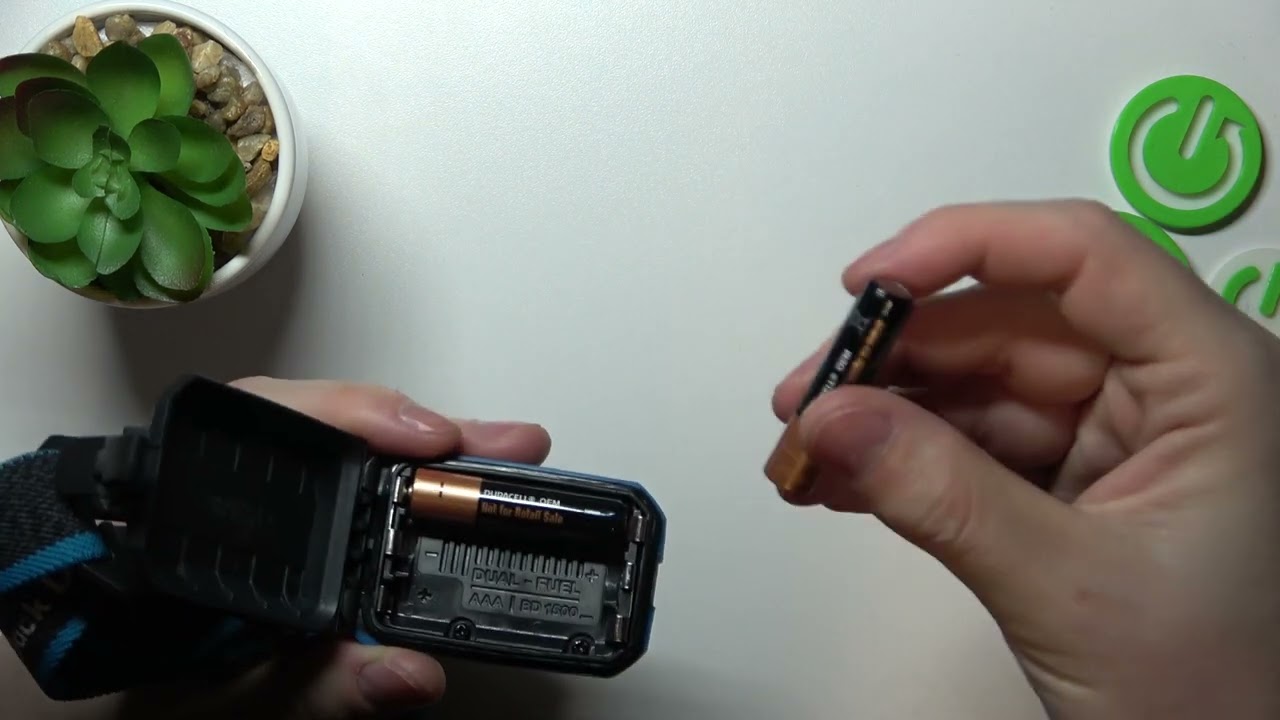
The most frequent cause of a non-functional headlamp is reversed battery placement. Even if the batteries feel tight, the electrical circuit remains open if polarity is wrong. Your light will stay dark until you align the cells exactly as the compartment diagram demands.
Check Polarity Markings Inside the Compartment
Open the battery door and look closely at the plastic moldings. You will see plus (+) and minus (–) symbols etched into the casing. These markings dictate exactly how each battery must sit to complete the circuit. Ignore your assumptions about which end goes up and trust only these visual guides.
Align Batteries to Match the Diagram
Remove all power cells and reinsert them one by one. On many dual-battery Black Diamond models, one side requires the positive end up while the other needs the negative end up. This counterintuitive setup confuses many users. Ensure every battery matches its specific slot before closing the lid securely.
Clean Corroded Battery Contacts

Dirt and oxidation create a barrier that stops electricity from reaching the bulb. Even brand-new batteries cannot power your headlamp if the metal contacts are grimy. A quick cleaning session often revives a unit that appears completely dead.
Scrub Contacts with Rubbing Alcohol
Dampen a cotton swab with isopropyl alcohol for this task. Gently scrub the spring coils and flat metal tabs inside the compartment. Focus on removing any gray film or sticky residue that might block the flow of power. Allow the alcohol to evaporate fully before putting batteries back in.
Inspect for Physical Damage or Corrosion
Look closely at the metal springs while you clean. Green or white crusty buildup indicates corrosion from old leaking batteries. If the metal looks pitted or the springs are bent out of shape, cleaning might not be enough. Severe damage may require replacing the battery door assembly to ensure a solid connection.
Test with Fresh High-Quality Batteries

Not all new batteries hold a full charge right out of the package. Old stock or cheap generic brands often fail to provide the voltage needed for bright LEDs. Using reliable power sources is essential for troubleshooting electrical issues effectively.
Choose Reputable Brands Like Duracell
Select alkaline batteries from well-known manufacturers such as Duracell or Energizer. These brands maintain consistent voltage levels that generic options often lack. Insert this fresh set after you have cleaned the contacts and verified the orientation. A strong power source eliminates variable performance issues.
Avoid Mixing Battery Types or Ages
Never combine old batteries with new ones in the same compartment. Mixing different chemistries like alkaline and lithium also causes problems. The voltage imbalance prevents the headlamp from turning on and can damage internal components. Use two batteries from the same fresh package for best results.
Verify Switch Functionality and Lock Mode
Your finger pressure on the button might not be registering if the switch is stuck or locked. Some models feature a lockout mode to save battery during storage. This feature mimics a broken device if you do not know how to disable it.
Press Firmly and Listen for a Click
Press the main button and listen for a distinct click sound. If the button feels mushy or silent, debris may be hindering movement. Try pressing the switch rapidly five or six times to dislodge any internal grit. A clear click confirms the mechanical part of the switch is working.
Unlock the Headlamp If in Lock Mode
Many Black Diamond models include a safety lock to prevent accidental activation. If your light is locked, a single press does nothing. Hold the button down for two to four seconds to unlock it. You might see a quick flash or feel a vibration confirming the unlock success.
Pro Tip: A locked headlamp shows zero response to button presses. Holding the button resets the circuit and restores normal operation immediately.
Inspect Internal Components for Damage
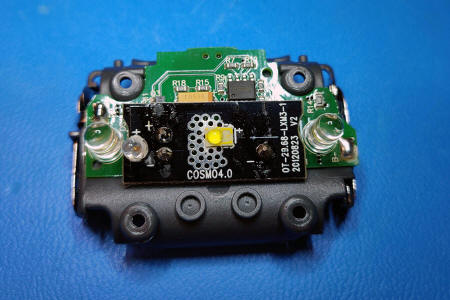
External fixes solve most problems, but internal issues persist in some cases. If your light still fails after cleaning and battery replacement, the fault lies inside the housing. Careful inspection can reveal loose wires or disconnected leads.
Look for Visible Wiring Issues
Open the headlamp housing if your model allows user access. Check the thin wires connecting the switch to the LED module. Vibration from hiking can sometimes shake these connections loose. A visibly detached wire needs re-soldering to restore function.
Test LED and Circuit Continuity
Gently wiggle the switch area while the batteries are installed. If the light flickers during this movement, you have a loose connection. Advanced users can use a multimeter to test continuity between the contacts and the board. No current flow suggests a blown fuse or failed switch component.
Prevent Power Issues Long Term

Regular maintenance keeps your gear ready for unexpected night trails. Simple habits prevent the buildup of grime and corrosion that causes most failures. Taking care of your equipment extends its lifespan significantly.
Clean Contacts Every Three to Six Months
Schedule a quick maintenance check before your hiking season starts. Remove batteries and wipe down the contact points with a dry cloth. This routine removes early signs of corrosion before they block power completely. Regular cleaning ensures reliable performance when you need it most.
Store Properly with Batteries Removed
Always take batteries out if you plan to store the headlamp for weeks. Leaving them inside risks leakage and permanent damage to the compartment. Keep your gear in a cool, dry place away from humidity. Proper storage prevents the majority of power-related headaches.
Use Lithium Batteries for Cold Weather
Standard alkaline batteries struggle in freezing temperatures common on night hikes. Switch to lithium AA batteries for winter adventures to maintain full brightness. These cells perform reliably in sub-zero conditions where others fail. Your light will stay strong even in harsh weather.
Frequently Asked Questions About Unlocking Black Diamond Headlamps
How do I unlock a Black Diamond headlamp that won’t turn on?
Hold the main power button for two to four seconds to exit lockout mode. Many models use this long-press feature to prevent accidental battery drain. Once unlocked, a single press should activate the light immediately.
Why does my headlamp have new batteries but still no light?
Incorrect battery orientation is the most likely culprit. Check that the positive and negative ends match the diagram inside the compartment exactly. Cleaning the metal contacts with alcohol can also resolve connection issues.
Can water damage cause my Black Diamond headlamp to stop working?
Yes, moisture can corrode contacts or short-circuit the internal board. Dry the unit thoroughly and clean any corrosion before testing again. Persistent water damage may require professional repair or replacement.
Do I need special tools to fix a Black Diamond headlamp?
Most fixes require no tools beyond a cotton swab and rubbing alcohol. You only need your hands to swap batteries and press buttons. Internal repairs might need small screwdrivers or soldering equipment.
What type of batteries work best for Black Diamond headlamps?
High-quality alkaline or lithium AA batteries provide the best performance. Avoid mixing old and new batteries or different brands in the same device. Lithium options are superior for cold-weather hiking conditions.
Key Takeaways for Fixing Your Black Diamond Headlamp
Most power failures stem from simple issues like reversed batteries or dirty contacts rather than broken parts. You can usually unlock a Black Diamond headlamp by verifying polarity, cleaning terminals, and resetting the lock mode. These quick fixes save you money and get you back on the trail fast.
Perform regular maintenance checks to keep your gear in top condition. Remove batteries during storage and clean contacts periodically to prevent future failures. Your headlamp will remain a reliable companion for all your night adventures with proper care.