
If bunion pain is turning your dream hike into a daily struggle, you’re not alone. Bunion pain hiking is a common yet often overlooked challenge for outdoor lovers—especially those tackling long trails, steep descents, or multi-day treks. A bunion, medically known as hallux valgus, isn’t just a bump on your big toe. It’s a structural misalignment of the metatarsophalangeal (MTP) joint that worsens under pressure, and every step you take on uneven terrain can inflame the joint, increase swelling, and cause lasting damage.
The rigid, narrow design of many hiking boots only makes things worse, squeezing the forefoot and forcing the big toe inward. Combine that with foot swelling during long hikes, and it’s no surprise that many hikers with bunions cut trips short or avoid the trail altogether. But you don’t have to. With the right footwear, supportive gear, and preventive strategies, most people can hike comfortably—even with moderate to severe bunions.
This guide gives you a complete action plan to manage bunion pain while hiking. You’ll learn how to choose bunion-friendly shoes, protect your joints on the trail, reduce pressure with smart techniques, and even know when surgery might be your best bet. Whether you’re a weekend warrior or planning a thru-hike, these evidence-based strategies will help you stay mobile, pain-free, and trail-ready.
Choose Hiking Shoes Designed for Bunions
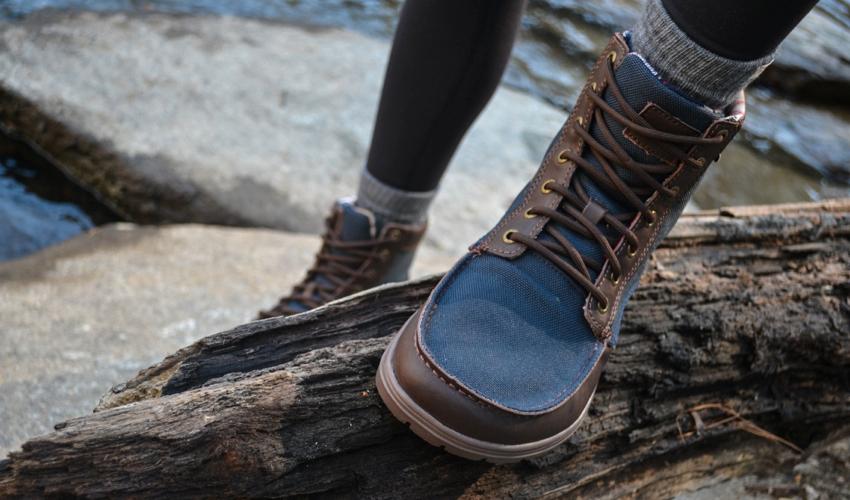
Your footwear is the most critical factor in managing bunion pain hiking. Standard hiking boots often have narrow toe boxes and stiff uppers that press directly on the bony protrusion, increasing friction and inflammation. The solution? Shoes built for foot health, not just durability.
Prioritize Wide, High, and Seamless Toe Boxes
A wide and high toe box allows your toes to spread naturally, reducing pressure on the MTP joint. Look for models labeled “wide,” “EE,” or “EEE” width—these aren’t just marketing terms. They mean real extra space where you need it most. Avoid shoes with tapered toes or stiff synthetic overlays that dig into the bunion.
Instead, choose hiking shoes with flexible mesh uppers and seamless interiors. These materials move with your foot, reducing hot spots and chafing. Brands like Altra, HOKA, and Topo Athletic specialize in anatomical designs that mimic barefoot foot shape. The Altra Lone Peak and HOKA Speedgoat are top picks among hikers with foot issues for their roomy forefoot and zero-drop platform.
Opt for Zero-Drop and Low-Profile Soles
Zero-drop shoes—those with no heel elevation—distribute weight more evenly across the foot. This reduces the load on the forefoot, which is crucial when hiking downhill. Since the MTP joint bears up to 40% of your body weight during push-off, minimizing impact here can significantly reduce pain.
Low-profile soles also help by keeping your foot closer to the ground, improving balance and reducing strain. Combine zero-drop with a flexible midsole, and you’ve got a shoe that supports natural movement instead of fighting it.
Consider Boots with a Bunion Last
Some brands go a step further. Hanwag, for example, offers hiking boots with a Bunion Last—a specially shaped mold designed to accommodate the bony protrusion. These boots feature extra width at the MTP joint, a higher toe box, and internal padding to protect the bunion. They’re clearly labeled “Bunion” in the product name, so they’re easy to spot.
Other tested models include:
– Salomon X Ultra 4 Wide
– New Balance Kaymin (wide width)
– Oboz Sawtooth X
If you already own boots that are slightly tight, try using a professional shoe stretcher to widen the forefoot. It won’t fix a poorly designed shoe, but it can buy you relief in a pinch.
Protect Your Bunion on Long Hikes

Even the best shoes can’t eliminate all pressure. That’s where protective accessories come in. Using the right gear can mean the difference between finishing your hike and limping off the trail.
Use Silicone or Gel Bunion Pads
Silicone or gel bunion pads wrap around the joint to create a cushion between your foot and the shoe. They absorb shock and reduce friction with every step. However, many hikers report that pads shift during activity. To keep them in place:
– Choose models with toe loops or straps
– Use adhesive-backed versions
– Apply skin-safe tape over the pad before lacing up
Apply the pad before putting on your socks and boots to ensure it stays positioned correctly.
Wear Toe Spacers and Smart Socks
Toe spacers like Correct Toes or YogaToes help maintain natural alignment by separating the big toe from the second toe. While best used post-hike or in camp, some lightweight versions can be worn during low-impact sections.
Pair them with moisture-wicking socks made from merino wool or synthetic blends. These reduce sweat buildup, lowering the risk of blisters and skin breakdown. Avoid cotton socks—they trap moisture and increase friction. Always carry extra socks and change them mid-hike if your feet get damp. Wet skin is more vulnerable to chafing, especially over a bony bump.
Prevent Swelling and Friction on the Trail
Foot swelling is inevitable during long hikes, but it worsens bunion pain by increasing pressure inside the shoe. Managing heat, moisture, and circulation is key.
Break In Boots Before Big Hikes
Never wear brand-new boots on a long trek. Break them in gradually with short walks or day hikes. This helps the materials mold to your foot and lets you spot pressure points early. If your boots still feel tight over the bunion, consider switching to a wider model or getting them professionally stretched.
Loosen Laces Over the Forefoot
Tight lacing across the instep increases compression on the MTP joint. Use ladder lacing or skip-lacing to relieve pressure specifically over the bunion while keeping the heel secure. Many wide-toe-box shoes have adjustable lacing zones, making this easy to do on the go.
Take Foot Breaks Every 30–60 Minutes
Stop regularly to:
– Remove your boots
– Inspect your feet for redness or swelling
– Massage the foot to improve circulation
– Reapply pads or adjust socks
This simple habit can prevent small irritations from turning into serious pain.
Strengthen Your Feet to Reduce Bunion Stress
Weak muscles contribute to bunion progression by allowing overpronation and joint instability. Strengthening key areas improves foot mechanics and reduces strain.
Fix Overpronation with Glute and Arch Exercises
Overpronation—when the foot rolls inward—shifts weight to the inner edge, increasing pressure on the first metatarsal. To correct it:
– Do clamshells (3 sets of 10 reps daily) to strengthen the gluteus medius and stabilize your pelvis.
– Practice the short foot exercise—flatten your arch without curling your toes—to activate intrinsic foot muscles.
Also strengthen the abductor hallucis with:
– Banded toe spreads (3×10 reps)
– Toe spread holds (hold for 10–30 seconds)
Improve Mobility with Daily Stretches
Stiff joints increase stress on the MTP. Improve flexibility with:
– Big toe mobilizations (gently pull toe into alignment, 15x, 2–3 times daily)
– Tennis ball rolls (3–5 minutes under the arch)
– Toe circles (20 reps each direction)
Do these daily, especially after hiking, to maintain joint health.
Manage Pain While Hiking

Even with preparation, pain can flare. Have a real-time strategy ready.
Use Trekking Poles to Reduce Forefoot Load
Trekking poles can reduce forefoot pressure by up to 25%, especially on descents. Use poles with wrist straps and plant them slightly behind you as you step forward.
Take NSAIDs When Necessary
Ibuprofen or naproxen can reduce inflammation and dull pain. Some thru-hikers take 800mg ibuprofen daily, but avoid long-term use—it can mask damage.
Tape the Joint for Support
Try turf-toe taping:
1. Anchor tape around the midfoot
2. Run strips under the arch and over the top
3. Secure with a figure-eight pattern around the big toe
This limits hyperextension while allowing movement. Watch YouTube tutorials for guidance.
Recover After Every Hike
Post-hike care prevents long-term damage.
Ice and Elevate
Within 30 minutes of finishing:
– Ice the bunion (15–20 minutes, wrapped in a towel)
– Elevate feet above heart level (15–30 minutes)
Repeat if pain persists.
Soak and Moisturize
Soak in cool water for 10–15 minutes. Avoid Epsom salt if skin is cracked. Apply a soothing foot cream, but not between toes.
Check for Warning Signs
After hiking, look for:
– Persistent redness or warmth
– Increased bump size
– Pain at rest
These may signal worsening joint damage. See a podiatrist if symptoms last more than a few days.
Know When Surgery Is the Right Choice
If pain limits daily life, surgery may be worth it.
Recognize When to Consider Surgery
Surgery is recommended when:
– Pain interferes with walking or standing
– The big toe overlaps the second
– Orthotics and shoes no longer help
Compare Modern Options
- Austin Osteotomy: Realignment surgery; 6–12 week recovery
- Lapiplasty 3D Bunion Correction: Uses a titanium plate to lock the joint; allows weight-bearing in days
Many hikers return to the trail in 8–12 weeks with proper rehab.
Pick the Right Trails and Techniques
Choose flat, smooth trails like the Bonneville Shoreline or Jordan River Parkway when pain flares. Avoid steep descents and rocky terrain.
Use shorter strides, lean slightly forward, and step toe-first, push off heel-first to reduce MTP stress.
Prevent Bunions from Getting Worse
Take annual foot photos to track changes. Wear supportive shoes off-trail—avoid heels and flip-flops. See a podiatrist early for custom orthotics or taping advice.
Bunion pain doesn’t have to end your hiking dreams. With the right shoes, foot care, and strength training, you can keep hitting the trail—pain-free.