
You lace up your boots, hoist your pack, and hit the trail—hiking isn’t just a way to connect with nature, it’s one of the most effective full-body workouts you can do. Whether you’re tackling a rugged mountain path or strolling through a forest, calories burned when hiking vary dramatically based on your weight, terrain, pack load, and trail incline. On average, hikers burn 300 to 600 kcal per hour—but under intense conditions, that number can soar past 1,000 kcal/hour.
Unlike treadmill walking, hiking engages stabilizing muscles, challenges your cardiovascular system, and often lasts longer than typical gym sessions. That means even if running burns more calories per minute, a 5-hour hike can outpace it in total energy expenditure. Plus, hiking is sustainable—people stick with it because it feels more like adventure than exercise.
In this guide, you’ll learn exactly how many calories you burn hiking, what factors increase the burn, how to calculate it for your body, and how to maximize results. No fluff, no guesswork—just data-backed insights to help you hike smarter, burn more, and reach your fitness goals.
How Your Body Weight Determines Calorie Burn
Your body weight is the single biggest factor in how many calories you burn hiking. The more you weigh, the more energy it takes to move your mass—especially uphill.
A 150 lb person burns about 360 kcal/hour on moderate terrain, while a 200 lb person burns 504 kcal/hour—40% more—under the same conditions. A 270 lb hiker carrying a loaded pack can exceed 980 kcal/hour on steep trails.
The relationship is nearly linear: every 10% increase in body weight increases calorie burn by ~10%. That means if you gain weight (muscle or fat), your calorie expenditure rises proportionally.
Pro Tip: Don’t rely on average calorie estimates unless they match your weight. A 120 lb hiker burns less than half what a 270 lb hiker does on the same trail. Always personalize your numbers.
Boost Your Burn: How Backpack Weight Increases Calories

Carrying a pack turns hiking into a strength-and-cardio hybrid workout. Every extra pound increases your metabolic demand.
How Much Extra Do You Burn?
- +1 lb ≈ +5 kcal per 2-hour hike
- A 30 lb backpack increases calorie burn by 15–25%
- 40–80 lb packs (common in backpacking) can add 100–200+ kcal/hour
Example: A 150 lb hiker with an 80 lb pack on flat terrain burns 555 kcal/hour—more than twice the rate of walking.
Stay Safe: Maximum Recommended Pack Weight
- 20% of body weight is the safe limit
- 150 lb person: ≤30 lb pack
- 200 lb person: ≤40 lb pack
- Exceeding this raises injury risk and reduces efficiency
Warning: Overloading slows you down and increases strain—optimize for performance, not maximum weight.
Terrain Type: Why Soft Ground Burns More Calories
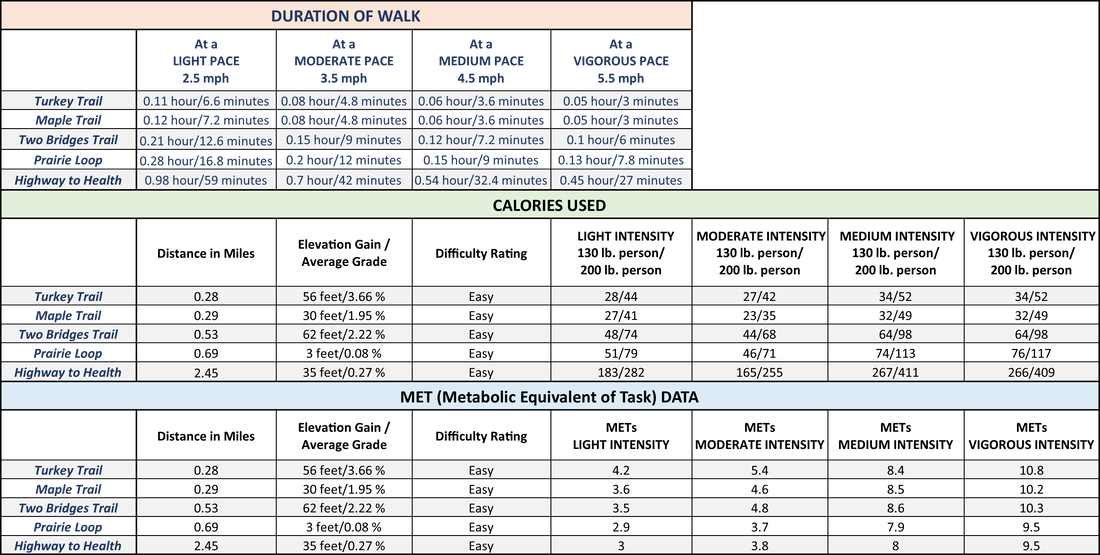
Not all trails are created equal. The surface underfoot changes how hard your body works.
Terrain vs. Calorie Burn (MET Values)
| Terrain | MET | Burn vs. Flat |
|---|---|---|
| Paved road | 5.0 | Baseline |
| Dirt trail | 5.5–6.0 | +10–20% |
| Loose sand | 6.5–7.5 | +30–50% |
| Deep snow | 7.0–8.5 | +40–70% |
| Off-trail bushwhacking | 7.0–8.0 | +40–60% |
| Swamp or creek walking | 8.0+ | +60–100% |
MET (Metabolic Equivalent): 1 MET = resting energy (≈1 kcal/kg/hour). Hiking ranges from 5.0 to 8.5 METs.
Key Insight: Soft or unstable terrain forces your muscles to stabilize constantly, increasing oxygen use and calorie burn—even at slow speeds.
Incline and Elevation: Climb Steeper to Burn Faster

The steeper the trail, the harder your body works. Incline has a non-linear impact—burn increases exponentially with grade.
Calorie Burn by Trail Grade
| Grade | Burn Increase vs. Flat |
|---|---|
| 1–5% | +10–20% |
| 6–10% | +30–50% |
| 11–15% | +60–80% |
| >15% | +100% or more |
Example:
– 150 lb hiker, 1–5% grade: 224 kcal/mile
– Same hiker, 15% grade: 343 kcal/mile (+53%)
Elevation Gain: Real-World Impact
- Each 1,000 ft of elevation gain adds 300–500 kcal
- 150 lb hiker, 2,000 ft gain: 600–1,000 kcal extra
- 200 lb hiker, 3,000 ft gain: 1,200–1,950 kcal extra
Pro Tip: A hike with 3,000 ft of gain can burn as much as a 10K run—without the joint impact.
Hiking Pace and Duration: Why Time Wins Over Speed
Speed and time both affect total calorie burn, but there’s a sweet spot.
Optimal Hiking Speed
- 2–3 mph is most efficient with a pack
- Slower = longer exposure to load
- Faster = higher biomechanical cost
- On flat terrain, 4 mph burns more per hour but is hard to sustain
Duration: Long Hikes Win for Total Burn
- Running burns ~2x more per 30 minutes
- But a 6-hour hike (1,800–3,600 kcal) can surpass a 30-minute run (400–600 kcal)
Bottom Line: Hiking wins in total daily calorie expenditure due to duration and terrain.
Trekking Poles and Altitude: Hidden Calorie Boosters
Small changes can significantly increase calorie burn.
Trekking Poles: Engage Your Upper Body
- Increase calorie burn by 5–10%
- Activate arms, shoulders, and core
- Reduce knee strain, letting you hike longer and faster
Best for: Steep ascents, uneven terrain, long-distance hikes
High Altitude: More Energy, Less Oxygen
- Above 12,000 ft (3,600 m), calorie burn increases 10–20%
- Body works harder to deliver oxygen
- Acclimatization reduces this effect after 3–5 days
Warning: Appetite often drops at altitude—fueling is critical to avoid energy crashes.
Temperature and Weather: Cold vs. Heat
Environmental conditions force your body to work harder.
Cold Weather (<32°F / 0°C)
- Body burns extra calories to maintain core temperature
- Shivering alone can add 100–300 kcal/hour
- Dress in layers to avoid overheating or overcooling
Hot Weather (>86°F / 30°C)
- Cardiovascular strain increases heart rate and calorie burn
- But dehydration reduces performance and endurance
- Risk of heat exhaustion limits long-term output
Ideal Range: 32–86°F (0–30°C) for sustained effort and accurate calorie estimates
Calories Burned Per Hour: Weight-Based Chart
Use this table to estimate your hourly burn based on weight and trail type.
| Body Weight | 1–5% Grade | 6–15% Grade | Uphill Only | Cross-Country |
|---|---|---|---|---|
| 120 lb | 292 kcal | 440 kcal | — | — |
| 150 lb | 360 kcal | 544 kcal | 448 kcal | 299 kcal |
| 180 lb | 435 kcal | 656 kcal | 538 kcal | 358 kcal |
| 200 lb | 504 kcal | 760 kcal | 597 kcal | 398 kcal |
| 270 lb | 652 kcal | 984 kcal | — | — |
Assumes 2.9–3.5 mph pace, no pack unless specified
Note: These values are based on MET models and field studies—real-world results vary.
Calories Per Mile: Distance-Based Estimates
Want to know how many calories per mile hiking? Here’s the breakdown.
| Body Weight | 1–5% Grade | Uphill Only | Downhill Only | Cross-Country |
|---|---|---|---|---|
| 150 lb | 175 kcal | 224 kcal | 127 kcal | 149 kcal |
| 180 lb | 210 kcal | 269 kcal | 152 kcal | 179 kcal |
| 200 lb | 234 kcal | 299 kcal | 169 kcal | 199 kcal |
| 210 lb | 246 kcal | 314 kcal | 178 kcal | 209 kcal |
Key Insight: Downhill burns fewer calories—only ~60% of uphill—but still engages muscles eccentrically for strength.
Hiking vs. Walking vs. Running: Who Burns More?

Let’s compare calorie burn for a 1-hour session.
| Activity | 150 lb | 180 lb | 210 lb |
|---|---|---|---|
| Walking (3 mph, flat) | 238 kcal | 287 kcal | 333 kcal |
| Brisk Walking (4 mph) | 340 kcal | 451 kcal | 475 kcal |
| Hiking (3.5 mph, 5% grade) | 360 kcal | 435 kcal | 504 kcal |
| Running (10:02 min/mile) | 374 kcal | 451 kcal | 523 kcal |
The Verdict
- Hiking burns more than walking—even brisk walking—due to elevation and terrain
- Running burns more per minute, but hiking often lasts longer
- Total daily burn: Hiking frequently wins due to duration
Example: A 5-hour hike (1,800–3,000 kcal) beats a 30-minute run (400–600 kcal) by a wide margin.
How to Calculate Calories Burned Hiking
Use one of these two proven methods.
1. MET-Based Formula (Simple)
Calories = MET × Weight (kg) × Time (hours)
Example:
– 75 kg person, 5.7 METs (moderate hiking), 2 hours
– 5.7 × 75 × 2 = 855 kcal
METs by Condition:
– Flat trail: 5.0
– Moderate incline: 6.0
– Steep, rugged: 7.5
– Heavy pack, off-trail: 8.5
2. Oxygen Consumption Model (Advanced)
For speed < 3.7 mph:
VO₂ = (0.1 × S) + (1.8 × S × G)
Convert to kcal:
kcal/min = VO₂ × weight (kg) × 5 / 1000
Best for scientific accuracy—used in military and research settings.
Real-World Examples: Popular Hikes
See how calorie burn adds up in real trails.
Grand Canyon: North Kaibab to Cottonwood
- 6.8 miles, 4 hours, 2,000 ft elevation change
- 130 lb hiker: ~1,200 kcal
- 200 lb hiker: ~1,700 kcal
Bright Angel to Indian Garden
- 4.8 miles, 3 hours, steep descent and ascent
- 210 lb hiker: ~1,400 kcal
Note: These include elevation, heat, and rugged terrain—common in national parks.
Weight Loss and Hiking: Can You Lose Belly Fat?
Yes—hiking contributes to fat loss, including belly fat, by creating a caloric deficit.
How It Works
- 1 lb of fat = 3,500 kcal
- 180 lb person, 12-mile hike: burns ~1,533 kcal = 0.44 lb fat loss
- Do this 3x/week = ~5.5 lbs/month (with diet)
But: Spot reduction is a myth. Fat loss happens systemically, not just in the belly.
Key: Pair hiking with balanced nutrition for best results.
Fueling Needs: How Many Calories to Eat?
Hiking increases daily calorie needs—especially on long trips.
Daily Calorie Requirements
| Activity Level | Calories/Day |
|---|---|
| Day hike (4 hours) | +500–800 kcal |
| Backpacking (moderate) | 2,500–4,500 kcal |
| High-intensity trekking | 4,500–6,000 kcal |
Case Study: A 7-day Sierra hike required 4,700 kcal/day. The hiker ate 3,200 kcal/day and bonked—exhausted, weak, unable to continue.
Pro Tip: Pack high-calorie, lightweight foods:
– Nuts, peanut butter, dried fruit
– Energy bars, jerky, instant meals
– Olive oil (add to meals: 120 kcal/tbsp)
Maximize Your Calorie Burn: 8 Proven Tips
Want to burn more? Use these science-backed strategies.
1. Carry a Backpack
- Up to 20% of body weight
- Increases burn by 15–25%
2. Choose Uphill Routes
- 6%+ grade significantly boosts burn
- Even short climbs add up
3. Increase Pace on Flats
- Push to 3.5–4 mph on flat sections
- Raises heart rate and calorie burn
4. Use Trekking Poles
- Burns 5–10% more
- Lets you go faster and longer
5. Extend Hike Duration
- Add 30–60 minutes weekly
- Gradual increases prevent injury
6. Pick Rugged Terrain
- Sand, snow, rocks, roots = more effort
- Avoid paved trails for max burn
7. Minimize Rest Breaks
- Keep heart rate elevated
- Use active recovery (slow walking)
8. Try Hiking Intervals
- Sprint uphill for 1–2 minutes
- Recover on descent
- Boosts EPOC (afterburn effect)
Are Fitness Trackers Accurate?
Most overestimate hiking calories by 10–25%.
Why Trackers Overcount
- GPS errors on steep terrain
- Algorithms assume flat ground
- Heart rate spikes from heat or effort don’t always mean more burn
How to Improve Accuracy
- Use a chest strap heart rate monitor (most accurate)
- Multiply tracker result by 0.80 for realistic estimate
- Calibrate with known hikes and personal data
Best Devices: Garmin Fenix, Apple Watch (with HR), Polar Vantage
FAQs: Quick Answers
How many calories burned in a 1-hour hike?
300–600 kcal, depending on weight, terrain, and pack.
How many calories in a 7-mile hike?
1,000–2,100 kcal—varies by elevation, speed, and load.
Is hiking better than walking for weight loss?
Yes. Hiking burns 2x more than flat walking due to incline and terrain.
Do trekking poles increase calorie burn?
Yes—by 5–10%—by engaging upper body.
How to burn 1,000 calories hiking?
Hike 2–3 hours with a 20–30 lb pack on steep, rugged terrain.
Can hiking build muscle?
Yes—especially quads, glutes, calves, and core. Add pack weight for strength gains.
Final Takeaway:
Hiking is one of the most effective, enjoyable, and sustainable ways to burn calories. While estimates vary, the data is clear: your body weight, pack load, trail grade, and terrain are the biggest levers. Use them wisely, fuel properly, and track progress with heart rate—not just step counters. Whether you’re losing fat, building endurance, or just getting outside, hiking delivers. Now go burn some calories—on purpose.