
If you’ve ever gasped for air on a steep uphill scramble or felt your legs turn to lead halfway through a backcountry trek, you know hiking is far more than a leisurely walk in the woods. It’s a full-body endurance challenge that demands cardiovascular stamina, muscular resilience, and mental grit. The best cardio exercises for hiking go beyond generic workouts—they’re designed to build the kind of sustainable aerobic power that carries you up rugged trails, across rocky terrain, and through long days under a loaded pack.
Hiking combines low-intensity, prolonged effort with sudden bursts of high-intensity exertion. Unlike road running or cycling, it requires continuous submaximal effort (60–80% of your max heart rate) with intermittent spikes during steep climbs or technical sections. To train effectively, your cardio routine must mimic these demands—building fat-burning efficiency, improving oxygen delivery, and strengthening the muscles that power every step.
This guide delivers a science-backed blueprint for cardio exercises for hiking that build real trail-ready endurance. Whether you’re prepping for a summit attempt or weekend hikes, you’ll learn how to train smarter using heart rate zones, load-specific workouts, and accessible exercises—no matter where you live.
Master Your Heart Rate Zones for Hiking Endurance
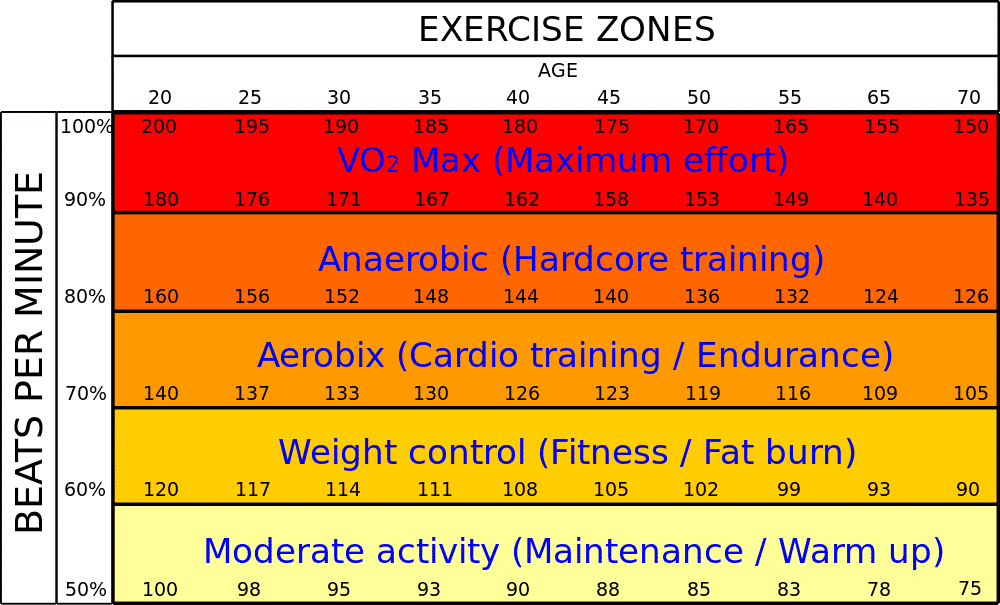
Training at the right intensity is the difference between hiking strong and burning out early. The most effective way to build hiking-specific stamina is by training in targeted heart rate zones, calculated as a percentage of your maximum heart rate (220 minus your age).
Each zone develops a different physiological adaptation—some boost fat metabolism, others improve recovery or power output.
Zone 2: Build Your Aerobic Base
This is the foundation of hiking endurance—the zone where your body learns to burn fat efficiently, conserving glycogen for when you really need it. At 60–70% of max heart rate, you can sustain effort for hours, just like on a long trail.
- How to train: 60–90 minute walks on flat or rolling terrain with a light backpack
- Check your zone: If you can speak in short sentences but not sing, you’re in Zone 2
- Frequency: 3–4 sessions per week, making up 75% of your cardio volume
Zone 2 training increases mitochondrial density, improves oxygen delivery, and enhances your ability to hike longer with less fatigue. It’s especially crucial for multi-day treks where pacing is everything.
Zone 3: Strengthen Your Stamina
At 70–80% of max heart rate, you’re working hard but not all-out. This zone improves your lactate threshold—your body’s ability to clear fatigue-causing byproducts during sustained climbs.
- Best for: Moderate uphill hikes with a 20–40 lb pack
- Duration: 45–60 minutes of continuous effort
- Terrain simulation: 15% incline on treadmill or real hill repeats
Use this zone 1–2 times per week to increase your “sustainable effort” ceiling. It’s ideal for preparing for trails with consistent elevation gain.
Zone 4–5: Boost Power for Steep Ascents
These high-intensity zones (80–100% max HR) are for short bursts—think scrambles, rock hops, or sudden inclines. You can’t sustain them long, but they train your heart and lungs to handle oxygen spikes.
- Zone 4 (80–90%): 15–30 minutes of steep climbing (30% grade)
- Zone 5 (90–100%): 1–5 minute sprints or stair bursts
Limit these sessions to once per week. They’re valuable for simulating tough trail sections but shouldn’t dominate your training.
Best Cardio Exercises for Hiking
Not all cardio builds trail readiness. The most effective exercises for hiking endurance replicate the movement, load, and duration of real hiking.
Incline Treadmill Walking
This is the gold standard for indoor hiking prep. Walking at an incline closely mimics uphill effort with full control over intensity.
- Protocol: 45–60 minutes at 8–12% incline, 3–3.5 mph
- Add weight: Wear a 15–30 lb backpack to simulate pack load
- Heart rate goal: Stay in Zone 2–3
- Frequency: 2–3 times per week
Pro tip: Vary the incline every 5 minutes to simulate changing trail grades and prevent adaptation plateau.
Stair Climber (StairMaster)
The StairMaster delivers continuous climbing motion that targets quads, glutes, and calves—exactly what you use on long ascents.
- Workout: 30–60 minutes at moderate resistance
- Focus: Drive through heels, engage glutes, avoid leaning on handles
- Bonus: Builds muscular endurance under load, ideal for flat-area dwellers
Start with 20-minute sessions and build up. It’s one of the most specific gym-based cardio exercises for hiking.
Rucking: Loaded Walking for Real-World Strength

Rucking—walking with a weighted backpack—is one of the most effective cardio exercises for hiking.
- Weight: Start with 20–30 lbs (or 1/3 of body weight)
- Distance: 6–8 miles on mixed terrain
- Frequency: Once per week during training cycle
- Progression: Add 5 lbs weekly until you reach your target pack weight
Rucking builds cardiovascular fitness, core stability, and load-bearing strength—all while training proper posture and gait. As one backpacking coach says: “Your body adapts to the load you give it—consistency is everything.”
Outdoor Hiking: The Ultimate Workout
Nothing beats the real thing. Hiking is the best cardio for hiking.
- Frequency: 2–4 times per week when possible
- Focus: Maximize elevation gain, even on short trails
- Simulation: If you’re at low elevation, seek stairs, hills, or parking garages
Even a 90-minute hike with 1,000+ feet of gain provides unmatched neuromuscular coordination, balance, and mental resilience.
Air Bike: Full-Body, Low-Impact Cardio
Perfect for recovery days or joint sensitivity, the air bike delivers a punishing yet joint-friendly workout.
- Protocol: 20–30 minutes steady state (RPE 5)
- Or try intervals: 30 seconds all-out, 90 seconds easy (repeat 6–8x)
- Why it works: Engages arms and legs, mimics hiking’s full-body effort
Ideal for cross-training and maintaining cardio fitness during injury or bad weather.
Rowing Machine: Posterior Chain Power
The rower works legs, back, and arms—critical for maintaining posture with a pack.
- Workout: 5,000-meter steady row (~25 minutes)
- Or try: Pyramid intervals (e.g., 500m, 1000m, 1500m, 1000m, 500m)
- Tip: Focus on leg drive first, then lean and pull
Use guided workouts from Concept2 or Dark Horse Rowing to keep it engaging.
Swimming: Aerobic Base with Zero Impact
Swimming builds lung capacity and endurance without stressing joints.
- Best for: Injury prevention, altitude prep, or active recovery
- Workout: 30–45 minutes of freestyle or mixed strokes
- Focus: Steady breathing, consistent pace
It’s a powerful tool for developing respiratory efficiency—especially helpful at high elevation.
Home Cardio Workout (No Equipment Needed)
When trails or gyms aren’t accessible, this bodyweight circuit builds hiking-specific endurance.
4-Round Circuit (No Gear Required)
Warm-up (5–10 min): Arm circles, leg swings, torso twists, light jogging in place
Perform 4–5 rounds:
– 30 seconds: Chair mountain climbers (hands on chair, feet on floor) – go all-out
– 90 seconds: Bodyweight squats – controlled, continuous reps with breath rhythm
– 90 seconds: Glute bridges – slow up, squeeze at top, lower with control
– Rest: 60–90 seconds between rounds
Why it works:
– Mountain climbers spike your heart rate like a steep climb
– Squats build quad endurance
– Glute bridges target glutes and hamstrings—critical for uphill power
– Breathing under fatigue mimics trail conditions
This routine trains muscular endurance, cardiovascular stamina, and recovery breathing—all without leaving your living room.
Monitor Effort: Heart Rate & Breathing Control
Even the best exercises fail if you’re training at the wrong intensity. Use these tools to stay in the optimal zone.
Use a Heart Rate Monitor
A chest strap or smartwatch gives real-time feedback so you don’t overexert.
- Zone check: Pause every 10 minutes to verify your HR
- Avoid redlining: If your heart rate spikes, slow down before fatigue sets in
Without a device? Do a manual pulse check:
– Count beats on wrist or neck for 15 seconds
– Multiply by 4 to get BPM
Breathing Tests for Zone Accuracy
Simple cues tell you if you’re in the right zone:
– Nasal breathing only? → You’re in Zone 1–2 (aerobic)
– Can speak in short sentences? → Zone 2 (ideal for long hikes)
– Can’t carry a tune? → You’re above Zone 3 (slowing down may help endurance)
These tests are more reliable than perceived effort alone.
Fix Common Cardio Problems
Heart Racing on the Trail?
- Cause: Starting too fast, nervousness, or technical terrain
- Fix: Stop, rest until HR drops to ~50% max, practice deep belly breathing, resume slowly
Can’t Catch Your Breath?
- Cause: Diaphragm fatigue, high altitude, or poor pacing
- Fix: Stop when breathing becomes shallow; resume only when HR <110 bpm
- At altitude: Descend 500–1,000 feet to allow acclimatization
Strength Training for Hiking Endurance
Cardio alone isn’t enough. Strong muscles delay fatigue, protect joints, and improve stability.
Quads & Glutes: Power Your Ascents
- Weighted step-ups, lunges, and squats build the strength to power uphill for hours.
Hamstrings & Posterior Chain: Protect Your Knees
- Nordic hamstring curls and kettlebell swings reduce strain on descents.
Core & Stability: Prevent Back Fatigue
- Planks with hip dips and mountain climbers keep your posture upright under load.
Balance & Ankle Strength
- Single-leg stands and Bosu ball squats improve stability on uneven ground.
Train on gravel, grass, or sand when possible to simulate trail surfaces.
12-Week Hiking Cardio Training Plan

Start early, progress gradually, and stay consistent.
Weeks 1–4: Build the Foundation
- Cardio: 2–3 days (brisk walking, cycling, stair climbing)
- Strength: 2 days (squats, lunges, planks, step-ups)
- Mobility: 1 day (stretching, foam rolling, hip work)
Weeks 5–8: Increase Intensity
- Cardio: 2 days incline walking or rucking
- Strength: 3 days with weighted exercises
- Hike: 1 long session (1–2 hours with 15–20 lb pack)
Weeks 9–12: Simulate the Real Hike
- Rucking: 1 day (6–8 miles with 30+ lb pack)
- Long hike: 1 day (3–5 hours, 2,000+ ft gain)
- Test gear, pacing, and nutrition
Final Tips for Hiking Success
- Invest in a heart rate monitor—it’s the best feedback tool
- Train on trail when possible—nothing beats real terrain
- Listen to your body—pain is a warning, not a challenge
- Break in boots and test gear before race day
- Leave no trace—pack out everything you bring in
“Hiking is essentially walking and your body adapts to what you use it for.” — Masseyrati80
The best cardio exercises for hiking are those that mimic the real thing—sustained effort, elevation gain, and load carrying. Prioritize Zone 2 training, rucking, stair climbing, and real trail time. Combine cardio with strength and smart recovery, and you’ll hike farther, faster, and with less fatigue.