
You’ve just returned from a refreshing hike through lush trails, invigorated by nature—only to discover red, itchy bumps appearing hours or even days later. Bug bites after hiking are an all-too-common reality for outdoor lovers, especially in wooded, grassy, or humid environments. While most bites are mild, they can sometimes lead to infections, allergic reactions, or even serious diseases like Lyme disease or West Nile virus. The key to staying safe isn’t just treating the itch—it’s knowing how to identify the culprit, respond quickly, and prevent future bites. This guide gives you a complete action plan for handling bug bites after hiking, backed by medical insights and real hiker experiences.
How to Identify the Insect Behind Your Bites

Knowing what bit you determines how you should treat it—and whether you need medical help.
Recognize Tick Bites: Small Bump, Big Risk
Ticks are stealthy hitchhikers. Often no bigger than a poppy seed, they latch onto skin and feed for hours or days, increasing the risk of disease. A tick bite usually appears as a small red bump, sometimes with a dark center where the tick was embedded. The most alarming sign? A bull’s-eye rash (erythema migrans)—a red ring that expands outward from the bite. This is a classic symptom of Lyme disease. Ticks love warm, hidden spots: behind knees, in hair, under arms, and around the waist. If you spot an attached tick, remove it immediately and watch for fever, fatigue, or rash in the following weeks.
Spot Mosquito Bites: Itchy Welts in Clusters
Mosquito bites are easy to recognize: round, red, itchy bumps that often appear in groups on exposed skin. They deliver a quick sting and then vanish, leaving behind intense itching and sometimes swelling. While usually harmless, mosquitoes can carry dangerous diseases like West Nile virus, dengue, or Zika, especially in tropical or subtropical regions. If you develop a high fever or flu-like symptoms after a bite, seek medical attention—especially if you’ve been traveling.
Detect Spider Bites: When to Worry
Most spider bites look like other insect bites—red, swollen, and mildly painful. But two species demand caution: the black widow and the brown recluse. A black widow bite causes sharp pain, muscle cramps, nausea, and tremors. A brown recluse bite often starts with a pale center that turns purple or blue and may ulcerate over time. However, many so-called “spider bites” are actually misdiagnosed infections or tick bites. If you suspect either of these spiders, see a doctor immediately.
Distinguish Bee and Ant Stings: Painful but Usually Harmless
Bee and wasp stings bring instant, sharp pain followed by a red, swollen bump. If the stinger is left behind, remove it carefully—don’t squeeze the venom sac, which can inject more toxin. Fire ant bites appear in lines or clusters and form white pustules within a day. Both can trigger anaphylaxis in allergic individuals. Watch for difficulty breathing, facial swelling, or dizziness—these are emergency signs.
Could Your Bites Be from Home, Not the Trail?
Not all bug bites after hiking come from the woods. Some pests hitchhike back with you—or may already be living in your home.
Check for Hitchhiking Pests in Your Gear
Ticks, mites, or fleas can cling to backpacks, boots, or clothing and bite hours after your hike. One hiker reported developing bites only after placing their backpack on the floor—later discovering a skin parasite confirmed by a doctor. To avoid this, leave gear outside for 24–48 hours before bringing it indoors. This gives hidden pests time to die or escape.
Investigate Indoor Infestations
If new bites keep appearing days after your hike, the source might be bed bugs, spiders, or fleas in your home. Bed bug bites often form in straight lines on exposed skin during sleep and are easily mistaken for mosquito bites. Inspect your mattress, sheets, and baseboards. If you find no evidence of outdoor exposure but keep getting bitten, consider calling a pest control expert.
Pro tip: Shower after removing clothes—not with them on. Showering fully clothed can trap insects against your skin, increasing bite risk.
Immediate Steps to Treat Bug Bites After Hiking
Most bites can be managed at home with simple, effective care.
Clean and Cool the Bite Area
- Wash with soap and water to reduce infection risk.
- Apply ice for 10–20 minutes (wrap in a cloth) to ease swelling and itching.
- Avoid scratching—breaking the skin can lead to bacterial infection.
Use Over-the-Counter Remedies
- Hydrocortisone cream (1%) for inflammation and itch relief
- Oral antihistamines like Benadryl or Zyrtec to reduce itching
- Calamine lotion or baking soda paste for soothing relief
- Ibuprofen or acetaminophen for pain or discomfort
Treat Specific Bites Correctly
- Tick bites: Use fine-tipped tweezers to pull the tick straight out. Clean the area and save the tick in a sealed bag in case testing is needed.
- Bee stings: Remove the stinger with tweezers or a credit card edge—don’t squeeze.
- Mosquito bites: Apply anti-itch cream or aloe vera. A cold compress helps too.
- Spider bites: Clean thoroughly. Seek medical help if pain worsens or you develop nausea or muscle cramps.
When to See a Doctor for Post-Hike Bites
Most bites heal on their own, but some need urgent care.
Seek Emergency Help If You Have:
- Difficulty breathing or swelling of the face/throat (anaphylaxis)
- High fever, chills, or flu-like symptoms
- Bull’s-eye rash or rapidly spreading redness
- Pus, ulceration, or worsening pain (signs of infection)
- Muscle cramps, tremors, or nausea (possible black widow bite)
“If you don’t know what bit you or whether you’re allergic, see a medical professional.”
Watch for Delayed Symptoms
Some conditions appear days or weeks later:
– Lyme disease: Fatigue, joint pain, and nerve issues may develop weeks after a tick bite.
– Parasitic infections: One hiker was diagnosed with a rare skin parasite after persistent bites, requiring prescription meds.
– Travel-related illness: If you hiked abroad and develop a fever, tell your doctor about your trip.
Prevent Bug Bites Before You Hit the Trail
Prevention is your best defense against bug bites after hiking.
Apply Proven Insect Repellents
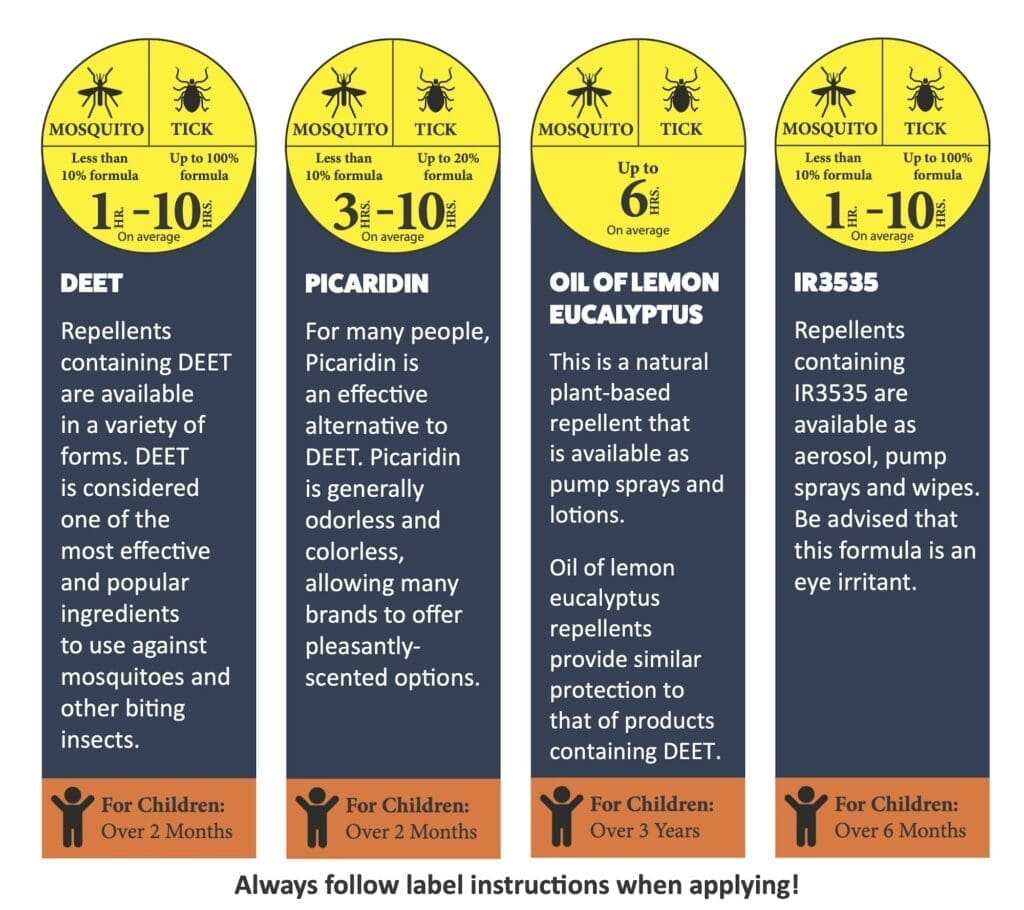
Use EPA-registered options:
– DEET (20–30%): Best for mosquitoes and ticks
– Picaridin: Odorless and non-greasy, equally effective
– Oil of lemon eucalyptus (OLE): Natural—but not for kids under 3
– IR3535 or 2-undecanone: Plant-based alternatives with solid protection
Apply repellent after sunscreen and reapply if you sweat heavily.
Wear Smart, Protective Clothing
- Long sleeves and pants in light colors (easier to spot ticks)
- Tuck pants into socks to block tick access
- Closed-toe shoes and gloves in dense brush
Treat Gear with Permethrin
Permethrin kills ticks, mosquitoes, and mites on contact.
– Spray 0.5% permethrin on clothes, boots, socks, and tents
– Remains effective for 5–6 washes
– Buy pre-treated gear (e.g., InsectShield®) or apply it yourself
“Permethrin on my clothes and picaridin on my body prevents most insects in the first place.”
Avoid High-Risk Bug Zones
Adjust your hiking habits to reduce exposure.
Stay Clear of Bug Hotspots
- Avoid standing water—mosquito breeding grounds
- Stick to the center of trails to avoid tall grass
- Skip leaf-littered areas—favorite tick habitats
- Hike midday—mosquitoes are most active at dawn and dusk
Use Physical Barriers
- Mosquito netting on strollers or carriers for kids
- Screened tents or bed nets when camping
- Choose air-conditioned or screened lodging when traveling
Post-Hike Decontamination: Don’t Skip This Step
Your hike isn’t over until you’ve decontaminated.
Remove and Wash Clothing Immediately
- Strip off outdoor clothes as soon as you get home
- Seal them in a bag to prevent pests from escaping
- Wash in hot water and dry on high heat to kill ticks and mites
Shower Within Two Hours
Showering soon after hiking:
– Washes off unattached ticks
– Reduces risk of tick-borne diseases
– Removes sweat and repellent
Warning: Do not shower with clothes on—it can trap insects and increase bite risk.
Inspect and Isolate Gear
- Leave backpack, boots, and outer layers outside for 24–48 hours
- Check pockets, seams, and straps for ticks
- Vacuum or wipe down gear if needed
Special Tips for Kids and International Travelers
Protect Children Safely
- Avoid OLE and PMD for kids under 3
- Apply repellent to your hands first, then gently rub on child’s face
- Never apply to hands, eyes, mouth, or irritated skin
- Use mosquito netting on strollers and carriers
Prepare for International Hikes
- Check CDC Destinations for disease risks
- Take malaria prophylaxis if needed
- Get the yellow fever vaccine if required
- Sleep under insecticide-treated bed nets
- Choose screened or air-conditioned rooms
“If you traveled and feel sick—especially with a fever—tell your doctor about your trip.”
Know the Diseases Linked to Bug Bites
Some bites carry serious health risks.
Mosquito-Borne Illnesses
- West Nile, dengue, Zika, malaria, yellow fever
Tick-Borne Diseases
- Lyme disease, tick-borne encephalitis, African tick-bite fever
Early diagnosis is key. Save any removed ticks for testing if symptoms develop.
Final Advice: Prevent, Treat, and Monitor
Bug bites after hiking are common—but not inevitable. Use DEET or picaridin, treat clothing with permethrin, wear protective gear, and follow a strict post-hike routine. If you develop a bull’s-eye rash, fever, or worsening symptoms, see a doctor. Not all bites come from the trail—inspect your home and isolate gear. With the right habits, you can enjoy the outdoors safely and itch-free.