
You’re standing at the trailhead, backpack strapped on, ready for a day in the wild—sunlight filtering through the trees, birds calling, your boots itching to hit the path. But before you take that first step, ask yourself: Did I pack everything I’d need if something went wrong? A sudden storm, an unexpected night out, a twisted ankle miles from help—these aren’t just possibilities. They’re realities every hiker must prepare for. That’s where essential hiking items come in. These aren’t luxuries or nice-to-haves—they’re the core tools that keep you safe, warm, hydrated, and on course when things don’t go as planned.
The foundation of smart hiking preparation is the Ten Essentials, a system refined over decades by outdoor experts to cover the most critical survival needs. But today’s interpretation goes beyond a simple checklist—it’s a layered strategy combining modern technology with time-tested tools. From GPS devices and satellite messengers to fire starters and emergency bivvies, each item plays a role in ensuring you return from the trail with stories, not emergencies. Whether you’re tackling a half-day loop or a multi-day backcountry trek, this guide breaks down exactly what to carry, why it matters, and how to choose the right gear based on your hike.
Master the Ten Essentials System
The Ten Essentials aren’t just a list—they’re a safety framework designed to help you survive an unplanned night in the wild. Originally developed by The Mountaineers in the 1930s, this system has evolved into a modern “preparedness ecosystem” that every hiker should follow, regardless of trip length. These essentials cover navigation, lighting, protection, first aid, repair, fire, shelter, food, water, and clothing—each acting as a safeguard against common outdoor emergencies.
Carry all ten, customize them to your route, and practice using them before you need them.
Navigate with Confidence

Getting lost is one of the most preventable hiking disasters—and the fix starts with navigation. Relying solely on your smartphone is risky; signal drops, battery drains, and app failures happen. Instead, use a dual-method approach: one electronic, one analog.
Topo Map + Compass (*):
Even if you’re tech-savvy, a paper topographic map paired with a baseplate compass is non-negotiable. It works without batteries, survives rain (if in a case), and teaches you terrain awareness. Learn how to read contour lines and orient your map—skills that can save your life.
GPS Device or App:
Smartphones with offline apps like AllTrails Plus, Gaia GPS, or Organic Maps are powerful tools. Download your route before leaving. For serious backcountry travel, consider a dedicated GPS like the Garmin GPSMAP 67i, which has a button interface that works with gloves and integrates inReach SOS.
Satellite Safety Tools:
In remote areas, carry a Personal Locator Beacon (PLB) or satellite messenger:
– Garmin inReach Mini 3 Plus: Sends two-way messages, voice notes, and SOS with 100% global coverage (requires subscription).
– rescueME PLB1: No subscription needed, 7-year battery, triggers a global distress signal.
Pair either with an Overwatch & Rescue Service for coordinated emergency response.
Pro Tip: Always carry a route description or guidebook for context, and use CalTopo for advanced pre-trip planning.
Light the Way After Dark
A headlamp isn’t just for night hikes—it’s essential for emergencies, camp setup, or finding your way back after sunset. The headlamp (* ) is part of the Ten Essentials because it keeps your hands free and conserves energy compared to holding a flashlight.
Key Features to Look For:
– 300–450 lumens: Bright enough to see clearly without blinding you or others.
– Red light mode: Preserves night vision and won’t disturb companions.
– Tilt adjustment: Aim the beam where you need it.
– Extra batteries (* ): Always pack spares or a rechargeable model.
Top Picks:
– Nitecore NU25: 300 lumens, USB-rechargeable, weighs just 0.99 oz.
– Biolite Dash 450: 450 lumens, comfortable fit, USB-C charging.
– Petzl Tikka: Reliable, includes red light, 70-meter beam.
Bonus: Carry a Nitecore Pocket 10000 power bank—it doubles as a light and charges your devices.
Block Harmful UV Exposure
Sun protection (* ) isn’t optional, even on cloudy or cold days. UV rays reflect off snow, water, and rock, increasing exposure risk. Sunburn, eye damage, and heat exhaustion are real threats at altitude.
Core Sun Protection Gear:
– Sunscreen (SPF 30+): Apply to nose, ears, neck, and under the chin. Reapply every 2 hours.
– Sunglasses (100% UVA/UVB): Use straps to prevent loss. Glacier glasses for snow travel.
– Sun Hat ( )*: A wide-brimmed hat offers the best coverage. Baseball caps leave neck and ears exposed.
– UPF Clothing: Look for UPF 50+ ratings. Long sleeves block both sun and bugs.
– Neck Gaiter (* ): Protects neck and face. Can double as a sweatband or bandage.
Recommended Gear:
– REI Sahara Hiking Hoodie (UPF 50+)
– Coal Headwear ‘The Provo’ Hat (50 UPF)
– Patagonia Multi Trails Shorts (recycled fabric)
Build a Smarter First Aid Kit

A first aid kit (* ) is only as good as what’s in it—and how well you know how to use it. Pre-packed kits are a start, but customization is key.
Must-Have Contents:
– Adhesive bandages, gauze pads, tape
– Antiseptic wipes (* )
– Tweezers, scissors ( )
– Nitrile gloves
– Pain meds: ibuprofen or aspirin (** )
– Blister treatment: moleskin, blister pads
– Duct tape or gear tape (for foot care and repairs)
Recommended Kits:
– Hart Outdoor Day Hike Kit: 3.5 oz, $14, lightweight essentials.
– Adventure Medical Kits UltraLight Watertight: Waterproof, $34.
– Sol ScouT Survival Kit: Adds waterproof matches, $39.
Expert Advice: Take a first aid and CPR course. Include personal medications and a compact medical guide.
Carry a Reliable Knife or Multi-Tool
A knife or multi-tool (* ) is your go-to for repairs, first aid, and emergency tasks. Every adult in a group should carry one.
Essential Functions:
– Sharp blade
– Scissors (* )
– Tweezers (*** )
– Screwdriver
– Can opener
Top Models:
– Swiss Army Knife (Classic): 0.7 oz, includes scissors and tweezers.
– Leatherman Skeletool: Pliers, knife, bottle opener—more robust.
– Outdoor Element Scout Feather: Includes fire starter and whistle.
Use it to cut tape, remove splinters, or open gear—small tool, big impact.
Start Fire in Any Condition
Fire (* ) provides warmth, purifies water, cooks food, and boosts morale. Always carry multiple fire-starting methods.
Fire-Starting Kit:
– Ignition Sources:
– Butane lighter (most reliable)
– Waterproof matches
– Ferro rod (works wet, at altitude)
– Tinder:
– Dry lint, candles, heat “nuggets”
– Store in a waterproof bag
– Stove (for cooking):
– MSR Pocket Rocket: Lightweight, fast boil.
– BRS 3000-T: 0.88 oz, boils water in 2–3 minutes.
Pro Tip: Above tree line or in snow, a stove is critical for melting snow and staying hydrated.
Shelter from the Storm
An emergency shelter (* ) can prevent hypothermia during an unplanned night out. Don’t assume your tent counts—you must carry shelter at all times.
Options:
– Emergency bivy (breathable): Prevents condensation buildup.
– Mylar space blanket: Ultra-light, reflects 90% of body heat.
– Ultralight tarp: Can be rigged for rain protection.
– Large trash bag: Improvised shelter in a pinch.
Best Choice: A breathable emergency bivvy—lightweight, packable, and far safer than non-breathable models that trap moisture.
Pack Extra Food, No Excuses
Always carry one extra day’s food (* ), even on day hikes. Delays happen—weather, injury, wrong turns.
Food Guidelines:
– No cooking required
– High calorie, lightweight
– Long shelf life
Top Picks:
– Clif Bars, KIND bars
– Trail mix, jerky, dried fruit
– Lenny & Larry’s Cookies
– Peanut butter wraps
– Energy gels (GU), chews (Clif Shot Bloks)
Quantity: Aim for 0.7–1 kg (1.5–2.2 lbs) per day. Burn 180–370 kcal/hour depending on effort.
Carry and Treat Extra Water
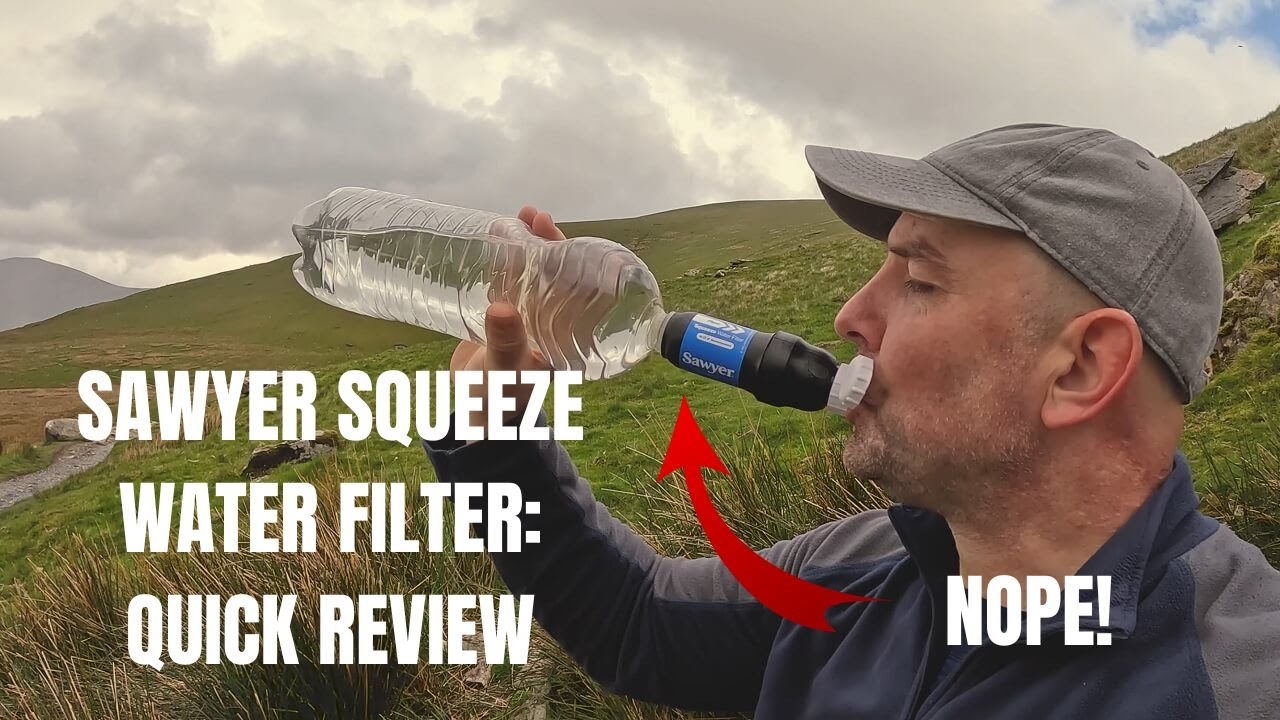
Water (* ) is non-negotiable. Dehydration impairs judgment and increases accident risk.
Hydration Rules:
– 0.5–1 liter per hour depending on heat, altitude, and exertion.
– Pre-hydrate: Drink 2–3 cups 2–3 hours before hiking.
– Sip every 10–30 minutes on the trail.
Water Carrying Options:
– Nalgene bottle (1L): Durable, easy to clean.
– Hydration bladder (1–3L): Sip on the go.
– Collapsible containers: Save space as you drink.
Water Treatment ( ):*
– Sawyer Squeeze + CNOC Bag: Filters up to 100,000 gallons, lasts years.
– Katadyn BeFree: Fast flow, but rated for 265 gallons.
– Backup**: Water treatment tablets (iodine/chlorine) or UV purifier.
Tip: Use NUUN electrolyte tablets to replace lost minerals.
Layer Up with Extra Clothing
Extra clothing (* ) is your defense against sudden weather changes. Cotton kills—wet cotton loses insulation and increases hypothermia risk.
Layering System:
1. Base Layer: Merino wool or synthetic (wicks moisture).
2. Mid Layer: Fleece or puffy jacket (insulation).
3. Outer Layer: Rain shell and pants (weather protection).
Must-Pack Items:
– Insulating hat (beanie): Smartwool 250
– Gloves: For cold or sun protection
– Extra socks: Darn Tough merino wool (lifetime guarantee)
– Rain jacket: Black Diamond Fineline (packs small)
– Rain pants: REI Trailmade (slip over boots)
Pro Tip: Size up footwear for thick socks in cold weather.
Choose the Right Footwear
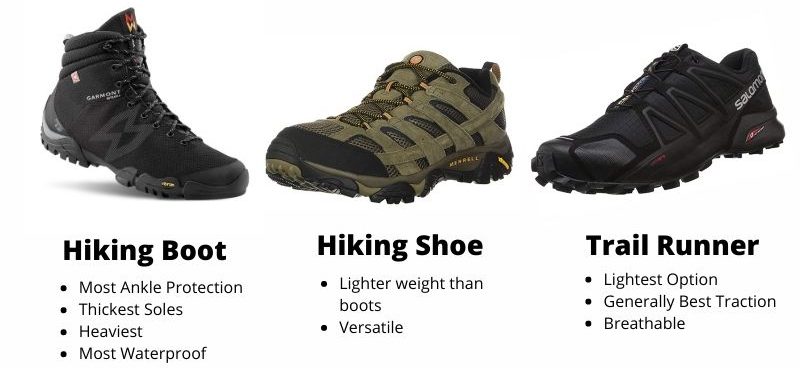
Your feet carry you—treat them right. The best hiking footwear balances support, comfort, and traction.
Footwear Types:
– Trail runners: Light, fast, for smooth trails (e.g., Altra Lone Peak 9+)
– Hiking shoes: Mid-weight, versatile
– Hiking boots: High ankle support, for rugged terrain (e.g., Danner Mountain 600, Moab 3)
Fit Tips:
– Size up 0.5–1 size for swelling
– Wear hiking socks when trying on
– Heel should not slip when untied
– Test on inclines and declines
Traction: Look for sticky rubber outsoles—Altra and Salomon excel here.
Pick a Backpack That Fits
Your hiking backpack is your mobile command center. Choose by capacity and comfort.
Capacity Guide:
– Day hikes (2+ hours): 10–20L
– Extended day hikes: 20–35L
– Backpacking: 40–70L
Key Features:
– Padded hip belt (carries 80% of weight)
– Ventilated back panel (reduces sweat)
– Hydration sleeve, pole loops
– Multiple pockets for organization
– Built-in rain cover
Top Models:
– Osprey Talon 33: 33L, vented, durable
– deuter Trail 28 SL: Women’s-specific fit
– REI Flash 22: $60, lightweight, functional
– Zpacks Nero 38 DCF: 10.9 oz, Dyneema fabric, ultra-light
Packing Tip: Use Ziploc bags or ditty sacks to organize gear.
Use Trekking Poles for Stability
Trekking poles aren’t just for seniors—they reduce knee strain by up to 25%, especially on descents.
Benefits:
– Improve balance on uneven ground
– Aid in stream crossings
– Engage upper body
– Help maintain rhythm
Top Picks:
– Black Diamond Alpine Carbon Cork: Lightweight, sweat-resistant grip
– REI Trailmade Poles: Budget-friendly, $70
Usage: Shorten poles for uphill, lengthen for downhill. Use wrist straps correctly to avoid injury.
Add Critical Safety & Hygiene Gear
Beyond the Ten Essentials, these items enhance safety, comfort, and Leave No Trace ethics.
Gaiters and Traction Devices
- Gaiters: Keep snow, mud, and debris out of boots.
- Kahtoola MICROspikes: For icy trails. Store in a stuff sack.
Insect Protection
- Picaridin repellent: Non-greasy, safe, lasts all day.
- Permethrin spray: Treat clothing—it kills insects on contact.
- Head net: Essential in mosquito-heavy zones.
Bathroom & Waste Kit
- Trowel: Dig catholes 6–8 inches deep.
- Toilet paper: Pack out used TP in a ziplock.
- Kula Cloth: Reusable pee rag (anti-microbial).
- Hand sanitizer: Hygiene after bathroom use.
- Trash bag: The “11th essential”—pack out all waste.
Safety Extras
- Whistle (* ): Louder than shouting, uses less energy.
- Bear spray: Required in bear country (e.g., Counter Assault).
- Rocky Talkie Radios: Keep groups connected.
- Rescue strobe: Long-lasting signal light.
Gear Up for Overnight Hikes
For multi-day trips, add these essentials:
Sleep System
- Sleeping bag/quilt: Match to expected lows.
- Sleeping pad: NeoAir XTherm (R-value 7.3) for cold ground.
- Compact pillow: Inflatable or stuff-sack style.
- Thermal liner: Adds warmth, keeps bag clean.
Cooking System
- Stove + fuel: MSR Pocket Rocket.
- Pot, utensils, mug
- Bear canister: BearVault BV ONE (required in many areas).
- Biodegradable soap, scourer
Comfort & Utility
- Power bank: 10,000 mAh for phone charging.
- Solar charger: For long trips.
- Compact lantern
- Notebook + pencil: Waterproof paper recommended.
- Z Seat: Foam pad for sitting on wet ground.
Customize for Kids and Dogs
For Children:
- Baby carrier
- Extra snacks, water
- Change of clothes
- Diapers, wipes
For Dogs:
- Collapsible water bowl
- Treats, leash
- Poop bags
- Paw balm for rough terrain
Final Tips for Smart Packing
- Leave a trip itinerary with someone—include return time and route.
- Test gear before relying on it—practice with your stove, filter, and GPS.
- Check the weather and adjust your list accordingly.
- Weigh your pack—aim for under 20% of your body weight.
- Prioritize lightweight, durable, versatile gear—avoid gimmicks.
The best hiker isn’t the one with the most expensive gear. It’s the one who’s prepared, knows how to use their tools, and respects the wild. Pack your essential hiking items with care, and every trail will lead you safely home.