
You’re halfway up a sunbaked trail, pack heavy, heart pounding—and already drenched in sweat. It’s not just uncomfortable. That moisture on your skin, in your clothes, and pooling in your boots can lead to chafing, blisters, dehydration, or even heat exhaustion. Excessive sweating while hiking is more than a nuisance—it’s a real risk to your safety and endurance.
Sweating is your body’s natural cooling system. But when you’re hiking—especially in heat, humidity, or under a heavy pack—your body may produce more sweat than can evaporate. This leads to damp clothing, lost fluids, and a growing risk of overheating. The good news? You can manage it. With the right clothing, pacing, hydration, and habits, you can hike longer, stay drier, and avoid dangerous heat-related issues.
This guide breaks down exactly how to handle excessive sweating while hiking, using proven strategies from physiology, gear science, and real-world trail experience. You’ll learn how to choose the best fabrics, pace yourself, cool down on the move, and keep your skin dry—even when your body won’t stop sweating.
Choose Sweat-Wicking Clothing to Control Moisture

Your clothing directly affects how much you sweat and how well that sweat evaporates. The wrong fabric traps moisture, increases discomfort, and raises health risks.
Never Wear Cotton on the Trail
Cotton absorbs up to 7–8 times its weight in water and dries slowly, leaving you soaked and clammy. Wet cotton increases friction, promotes chafing, and accelerates heat loss—even in warm weather. That’s why seasoned hikers say: “Cotton kills.” Avoid cotton shirts, socks, and underwear at all costs.
Pick the Right Base Layer for Maximum Comfort
Your base layer is the first defense against excessive sweating. It should pull moisture away from your skin and dry quickly.
- Synthetics (polyester, nylon): Fast-drying and lightweight, ideal for high-output hikes. Brands like Under Armour HeatGear and Nike Dri-Fit use engineered fabrics to enhance wicking. Some users report odor buildup over multi-day trips.
- Merino wool: Naturally breathable, temperature-regulating, and odor-resistant. Feels soft and comfortable, but can feel damp when fully saturated.
- Alpaca wool: Hollow fibers wick three times better than merino, dry faster, and resist odor. More expensive but extremely durable—ideal for long hikes.
Pro tip: Use synthetic base layers for intense day hikes; opt for merino or alpaca on multi-day trips where odor control matters.
Wear Breathable Outer Layers to Boost Airflow
Avoid waterproof jackets with non-breathable membranes like Gore-Tex in hot weather—they trap heat and sweat. Instead, choose:
- Lightweight, ventilated hiking pants (convertible or loose nylon)
- Shirts with mesh underarms or back panels
- A wide-brim hat with ventilation to keep your head cool and shaded
Prevent Sweat Dripping Into Your Eyes
Sweat running down your forehead can sting your eyes, blur your vision, and force constant wiping. Simple gear can stop it before it starts.
Use a Moisture-Wicking Headband
Wear a low-profile, sweat-wicking headband across your forehead. It catches sweat before it reaches your eyes. Carry 3–4 spares and rotate them—hang used ones on your pack to dry in the wind.
Try a Buff or Neck Gaiter for Dual Protection
A Buff or neck gaiter can be worn on your head, neck, or face. Soak it in a stream or lake for evaporative cooling—as it dries, it pulls heat from your body. It also acts as a sweat barrier and sun shield.
Keep Your Glasses From Slipping
If you wear glasses, sweat makes them slide. Prevent this with:
- Non-slip nose pads (like those on Roka frames)
- A glasses retention strap
- A buff around your forehead to block sweat from dripping down
Keep Feet Dry to Stop Blisters Before They Start

Your feet contain up to 250,000 sweat glands each. In a hot, enclosed shoe, that moisture softens skin and creates the perfect environment for blisters.
Wear the Best Socks for Sweaty Feet
- Alpaca socks: Wicks moisture 3x better than wool, regulates temperature, resists odor, and lasts 5–10 years.
- Merino wool socks: Soft, breathable, and odor-resistant, but can feel damp when soaked.
- Synthetic blends: Dry fast but may retain odor over time.
Never wear cotton socks—they hold moisture and dramatically increase blister risk.
Change Socks Regularly During Long Hikes
Swap socks every 4–6 hours or when your feet feel damp. Carry 2–4 pairs:
- One pair for hiking
- One dry pair for sleeping
- Extra pairs for long days
Rinse sweaty socks at camp and hang them on your pack to dry.
Use Toe Socks to Reduce Friction
Injinji toe socks separate your toes, preventing inter-toe blisters. They also improve grip inside shoes and wick moisture effectively.
Choose Breathable Footwear for Airflow
- Pick trail runners or ventilated hiking shoes.
- Avoid waterproof models in hot weather—they reduce breathability.
- Remove insoles during breaks to air out your shoes.
Stay Hydrated and Replace Lost Electrolytes

Sweating isn’t just about wet clothes. You’re losing water, sodium, potassium, and magnesium. If not replaced, this leads to cramps, fatigue, and even heat illness.
Drink Water Frequently and Early
- Sip every 15–20 minutes, even if not thirsty.
- Aim for 1 liter per 4 miles—more in heat or humidity.
- Use a hydration bladder or easy-access water bottles.
Warning: Dark yellow urine, dizziness, or dry mouth means you’re already dehydrated.
Replenish Electrolytes to Avoid Cramps and Heat Exhaustion
Sweat contains essential salts. Replace them to maintain muscle and nerve function.
Best options:
– Electrolyte tablets (Nuun, LMNT, Tailwind)
– Homemade mix: ½ tsp salt per 32 oz water (if no high blood pressure)
– Salty snacks: Pretzels, jerky, nuts, electrolyte chews
Never drink only water on long, hot hikes—this can cause hyponatremia, a dangerous condition from low blood sodium.
Cool Down While Hiking to Reduce Sweat Buildup
You can’t stop sweating, but you can help your body cool more efficiently.
Soak Your Clothing in Water for Evaporative Cooling
Dip your shirt, buff, or bandana in a stream. As it dries, it pulls heat from your body. This simple trick can lower your perceived temperature by 5–10°F.
Pour Water on Your Neck to Lower Core Temperature
The back of your neck has major blood vessels close to the skin. Pouring cool water there cools your blood directly, reducing your core temperature fast.
Use a Portable Neck Fan in Still, Hot Air
USB-powered neck fans (available on Amazon) provide constant airflow. They run on power banks and make a big difference when there’s no breeze.
Hike During Cooler Hours to Avoid Peak Heat
Start at dawn or hike in the evening to avoid the hottest part of the day (11 a.m.–6 p.m.). Use satellite maps to find shaded trails—look for green forested areas on USGS maps.
Gain Elevation to Reach Cooler Air
Temperature drops about 3.5°F per 1,000 feet of elevation. If possible, plan routes that climb into cooler zones.
Pace Yourself to Minimize Sweating
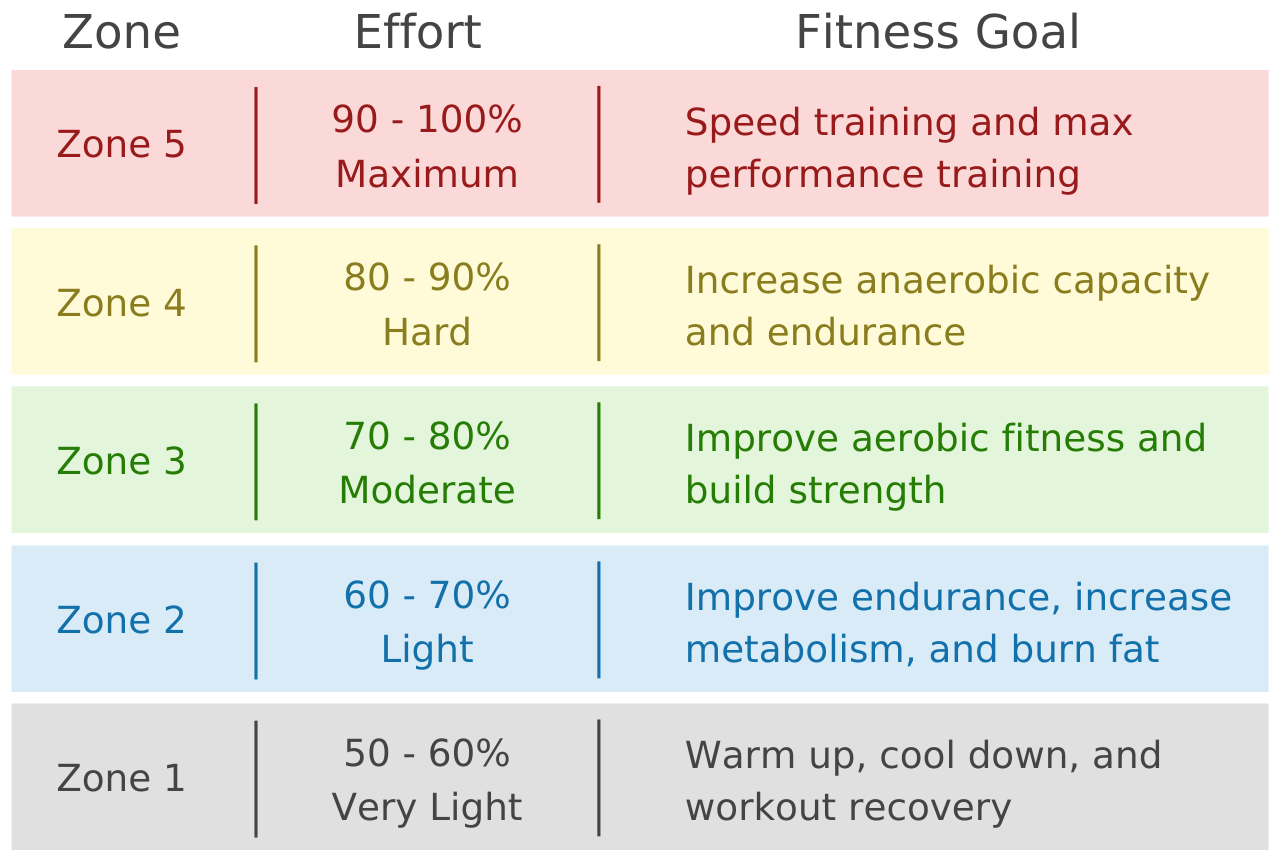
How fast you hike directly affects how much you sweat. Push too hard, and you’ll drench yourself in minutes.
Start Slow to Avoid Early Overheating
Avoid the “sprint start.” Begin at a pace where you can breathe easily and speak in full sentences. You’ll warm up naturally in 10–15 minutes.
Maintain a Conversational Pace
If you can’t talk without gasping, you’re working too hard. Slow down. A steady pace produces less heat and sweat and preserves energy.
Take Short, Frequent Breaks
Stop for 1–2 minutes every 30–45 minutes. This lets your body cool without a big temperature drop. Remove layers before you stop to prevent post-break chills.
Shorten Your Stride on Climbs
A shorter, controlled stride reduces exertion and heat buildup. It may feel slower, but it saves energy and sweat.
Follow the “Be Bold, Start Cold” Rule
This classic hiking principle prevents early sweating:
- Dress lightly—feel slightly cool at the trailhead.
- You’ll warm up within minutes of walking.
- Keep a warm layer (puffy jacket, wind shirt, beanie) ready for stops.
Why it works: Starting warm leads to immediate sweating. By the time you remove layers, you’re already wet. Starting cold keeps you dry longer.
This strategy works down to -30°F when combined with breathable layers.
Manage Sweat at Camp to Recover and Stay Dry
Nighttime is your chance to dry out, recover, and prep for the next day.
Change Into Dry Sleep Clothes Immediately
Wear dedicated sleep clothes stored in a waterproof bag. Never sleep in sweaty hiking clothes unless absolutely necessary.
Best sleep layers:
– Synthetic top (like Alpha Direct hoody)
– Puffy jacket or quilt
– Beanie and neck gaiter
Dry Your Hiking Clothes Overnight
Hang damp clothes inside out on your tent, pack, or a line. Use lightweight clothespins for airflow.
Pro trick: Place damp clothes under your sleeping quilt. Your body heat will dry them by morning.
In a hammock? Lay clothes underneath—same principle.
Rinse Clothes to Reduce Odor
Use a 2-gallon ziplock with water and a few drops of Camp Suds or bleach. Soak, wring, and hang to dry.
Dispose of dirty water 200+ feet from water sources, on rock or dry ground.
Clean Your Skin and Prevent Chafing
Sweat leaves salt on your skin, increasing friction and irritation.
Use Body Wipes to Cool and Cleanse
Cleansing wipes or alcohol-based wipes remove sweat residue, cool your skin, and reduce chafing. Disposable wipes are convenient; reusable cloths with soap work too.
Apply Anti-Chafe Balm to High-Friction Zones
Use Body Glide, petroleum jelly, or baby powder on:
– Underarms
– Inner thighs
– Nipples (yes, men get chafing too)
– Neck
Apply before you start hiking—and reapply if needed.
Know When Excessive Sweating Is a Medical Concern
Sweating is normal. But sudden changes or constant drenching may signal a problem.
Watch for Heat Illness
- Heat exhaustion: Fatigue, dizziness, headache, nausea, dark urine.
→ Action: Stop, rest in shade, drink water with electrolytes, cool down. - Heat stroke: Core temp >104°F, confusion, slurred speech, no sweating.
→ This is life-threatening. Cool the person fast (immerse in water, use ice packs) and evacuate immediately.
Consider Hyperhidrosis
If you sweat excessively even at rest, you may have hyperhidrosis—a treatable medical condition. See a doctor or visit r/hyperhidrosis for support.
Pack the Right Gear to Stay Dry and Safe
Being prepared makes all the difference. Here’s what to bring:
Must-Have Items
- 3–4 wicking headbands or buffs
- Wide-brim hat and bandana
- 2–4 pairs of hiking socks (alpaca or merino)
- One dry pair for sleeping
- Breathable trail runners or hiking shoes
- Hydration system (3L+ in heat)
- Electrolyte supplements
- Salty snacks
- Body wipes and anti-chafe balm
- Waterproof dry bags for clean/dirty clothes
- Microfiber towel and lightweight clothespins
Helpful Extras
- USB neck fan
- Portable clothesline
- Closed-cell foam sleeping pad (retains heat if wet)
Stick to a Daily Sweat Management Routine
Before You Hike
- Dress lightly—start cold.
- Hydrate with electrolyte drink.
- Apply anti-chafe balm to problem areas.
During the Hike
- Maintain a conversational pace.
- Remove layers before you overheat.
- Drink every 15–20 minutes.
- Use headband to block sweat.
- Soak buff or shirt in water when possible.
At Camp
- Change into dry sleep clothes.
- Rinse and hang hiking clothes.
- Clean skin with wipes.
- Store damp clothes under quilt to dry.
Next Morning
- Check if clothes are dry.
- Wear a dry base layer if hiking clothes are still damp.
- Replenish electrolytes before leaving.
Final Note: You can’t stop sweating—but you can control it. The key is prevention: right clothes, smart pacing, consistent hydration, and proactive cooling. Test your system on short hikes first. What works for one hiker may not work for you. Listen to your body. Stay dry. Stay safe. And keep hiking, no matter how hot it gets.