
Cleaning your grow tent after every cycle isn’t optional. It’s essential. A dirty grow tent can harbor mold spores, pests, and pathogens that threaten your next crop before it even begins. Beyond contamination risks, residue buildup dulls reflective walls, reduces light efficiency, and clogs airflow systems. Whether you grow cannabis, herbs, or mushrooms, a clean environment equals healthier plants and better yields.
The good news? Cleaning a grow tent doesn’t have to be complicated. With the right supplies and a clear process, you can sanitize every surface in just a few hours. This guide walks you through the complete cleaning workflow, from removing equipment to final drying, using proven methods from experienced growers. You’ll learn which cleaners actually kill mold spores, how to protect delicate Mylar lining, and how to maintain cleanliness between grows.
Remove All Equipment and Debris
Before cleaning begins, clear the tent completely. This ensures full access to every surface and prevents cross-contamination during wiping.
Vacuum Interior Surfaces Thoroughly
Start with dry cleaning. Use a vacuum cleaner equipped with a soft brush attachment to remove loose debris from walls, floor, corners, and seams. Focus especially on:
• Base of walls where dust accumulates
• Under spill trays
• Around zippers and ventilation ports
• Ceiling corners near light mounts
Vacuum at least one foot inward from each wall to capture hidden particles. This step removes organic matter like dead leaves, pollen, and soil fragments, which are common breeding grounds for mold and pests.
Pro Tip: Empty your vacuum canister outside afterward to avoid reintroducing contaminants.
Wipe Down Reflective Walls
The tent’s interior lining, typically Mylar or polyethylene, must stay clean to reflect maximum light. But it’s also delicate. Use gentle techniques to avoid scratches or clouding.
Use Microfiber Cloth With Vinegar Solution
Mix equal parts water and white vinegar in a spray bottle. Lightly mist a small section of the wall (don’t soak) and wipe immediately with a clean microfiber cloth using vertical strokes. This removes mineral deposits, nutrient residue, and grime without damaging the surface.
For stubborn spots:
• Apply solution directly to cloth, not wall
• Gently rub with light pressure
• Wipe dry with a second cloth
Avoid abrasive pads or harsh scrubbing. These degrade reflectivity over time.
Sterilize With Rubbing Alcohol
After wiping, spray 70% isopropyl alcohol across all interior surfaces up to the height of your grow light. Use a fine mist to lightly coat walls, floor, and ceiling.
Wipe down with a fresh microfiber towel using a back-and-forth motion to create friction. Alcohol kills bacteria and fungi but does not destroy mold spores. This step is only one part of full sanitation.
Focus on high-touch areas:
• Zipper tracks
• Door seals
• Ventilation openings
• Floor-to-wall seams
Let alcohol air-dry before moving to the next step.
Treat With Hydrogen Peroxide
This is the most critical sanitation step. Only 3% hydrogen peroxide has been proven to destroy mold spores.
Put on a disposable glove and spray 3% H₂O₂ generously on all surfaces, including:
• Seams and corners
• Zipper mechanism
• Light hangers
• Floor
Use a fresh cloth or paper towel to wipe each section thoroughly. Friction increases effectiveness. Reapply as needed to ensure full coverage.
Why peroxide matters: Unlike bleach or alcohol, hydrogen peroxide breaks down the cell walls of mold spores, preventing regrowth. It’s food-safe, leaves no toxic residue, and decomposes into water and oxygen.
Clean Fans and Airflow Equipment

Fans are among the dirtiest components in a grow tent. Dust buildup reduces efficiency and can reintroduce pathogens.
Disassemble and Wash Fan Grills
Remove fans from the tent. If possible, take apart the housing to access blades and internal grills.
Steps:
1. Wipe exterior with a damp paper towel
2. Soak grills and blades in mild soapy water for 10–15 minutes
3. Scrub gently with a soft brush
4. Rinse thoroughly
5. Air dry completely before reassembling
Never reinstall damp equipment. Moisture invites mold.
Sanitize Inline Filters and Ducting
If using carbon filters or ducting:
• Vacuum exterior surfaces
• Wipe down with peroxide-misted cloth
• Replace filter media if past its lifespan
Check for mold inside ducts, especially if humidity runs high. Replace if compromised.
Sanitize Tools and Growing Equipment

Everything that goes back into the tent must be sterile. That includes trays, pots, reservoirs, and irrigation lines.
Soak in Food-Safe Sanitizer
Use either:
• 3% hydrogen peroxide: Soak for 10–15 minutes
• Diluted bleach: Mix 1 part bleach to 20 parts water, soak 5–10 minutes
After soaking:
• Rinse all items with clean water
• Let air dry completely on a clean surface
For hydroponic systems:
• Flush reservoir and tubing with peroxide solution
• Run through the entire system for 15 minutes
• Drain and rinse thoroughly
Never mix bleach and peroxide. This creates toxic fumes.
Clean the Floor and Base Liner

The floor collects more contaminants than any other surface. Treat it with care.
Wash Removable Floor Liner
If your tent has a removable liner:
• Take it out and wash with warm soapy water
• Scrub with a soft sponge
• Rinse well
• Let dry completely before reinstalling
For non-removable floors:
• Wipe down with peroxide or diluted bleach solution
• Use a microfiber mop or cloth
• Focus on seams and edges
Avoid pooling liquids. Standing water damages fabric and promotes mildew.
Air Dry Completely Before Reassembly
Moisture is the enemy. Reassembling a damp tent invites mold within days.
Ventilate for 2–4 Hours
Leave the tent fully unzipped and open to airflow. Use an external fan to circulate air inside if needed.
Check these before closing:
• Walls feel dry to touch
• Floor is no longer cool or damp
• Equipment is 100% dry
Time Tip: Drying takes 2–4 hours in average conditions. In humid climates, extend drying time or use a dehumidifier.
Reassemble for Next Grow Cycle
Now that everything is clean and dry, rebuild your setup with hygiene in mind.
Install Fresh Grow Mat or Liner
Place a new floor mat or disposable liner to:
• Prevent soil contamination
• Make mid-cycle cleanup easier
• Add an extra sanitation layer
Many growers replace this between every grow.
Return Sterilized Equipment
Reinstall lights, fans, and hydroponic systems. Double-check:
• All connections are secure
• Fans are aimed properly
• No dust remains on bulbs or reflectors
Consider labeling tools to avoid cross-use between tents.
Choose the Right Cleaning Agents
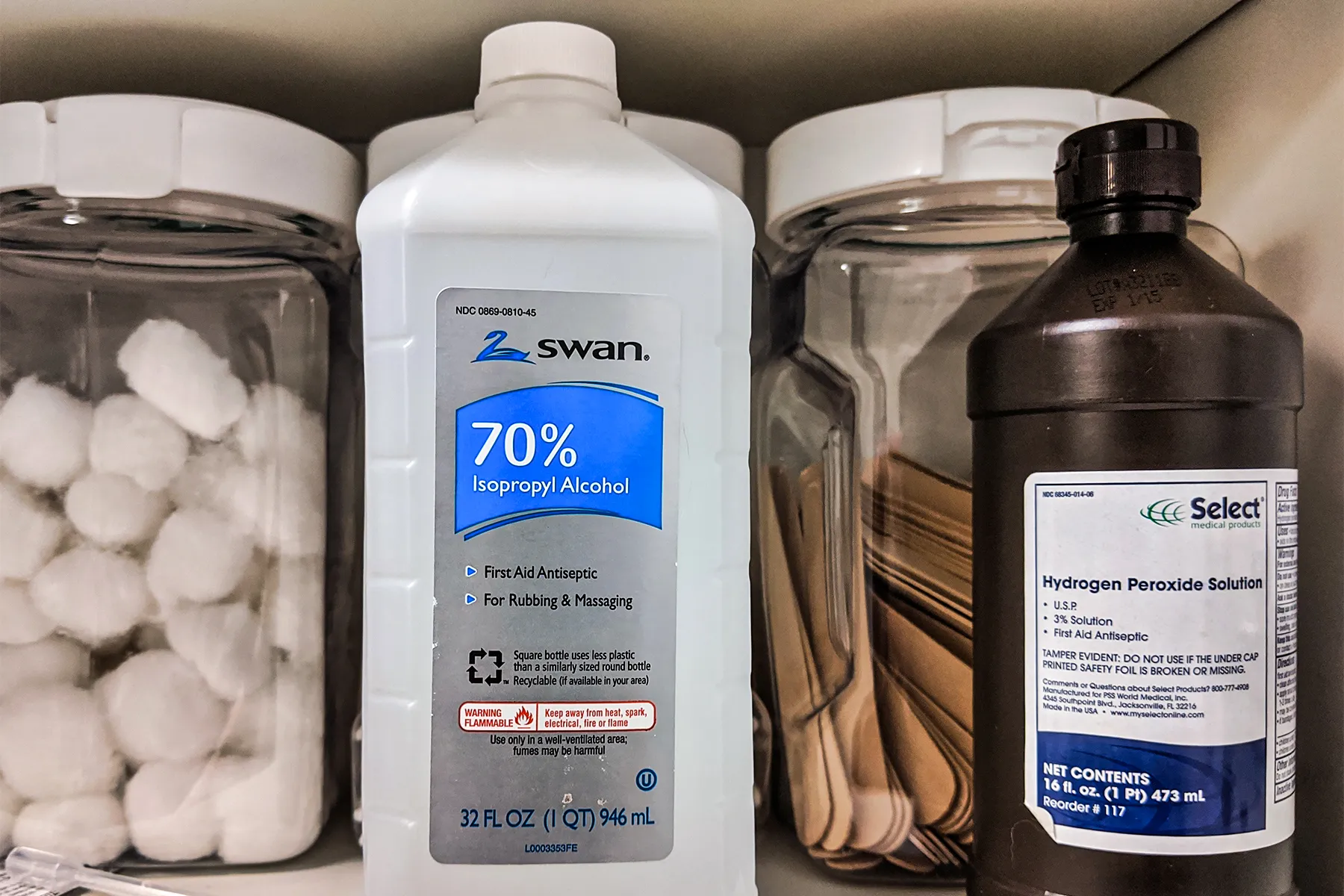
Not all cleaners are equal. Here’s what works and what doesn’t.
Hydrogen Peroxide vs. Alcohol: Know the Difference
| Cleaner | Kills Mold Spores? | Best For |
|---|---|---|
| 70% Isopropyl Alcohol | No | Routine sterilization, surface wipe-downs |
| 3% Hydrogen Peroxide | Yes | Full sanitation, mold prevention |
| Bleach (1:20 dilution) | Yes | Heavy disinfection after contamination |
| Orange Oil (d-Limonene) | Yes | Organic cleaning, pest and grime removal |
| White Vinegar (1:1) | No | Spot cleaning residue on Mylar |
Bottom Line: Use both alcohol and peroxide for complete sanitation. Alcohol first for quick kill, then peroxide to eliminate spores.
Maintain Cleanliness During Grow
Cleaning shouldn’t stop after setup. Ongoing maintenance prevents problems before they start.
Wipe Down Between Waterings
Some growers use Clorox wipes or disinfectant cloths to:
• Clean tent walls when moving plants
• Sanitize tools after pruning
• Wipe spills immediately
This prevents buildup and reduces pathogen risk.
Use Peroxide Spray Mid-Grow
Mix 2–4 tablespoons of 3% hydrogen peroxide per quart of water. Spray:
• Tent walls
• Floor
• Non-flowering plants
Do not spray buds unless treating an active issue. Moisture on flowers increases mold risk.
Apply early in the light cycle so surfaces dry quickly.
Prevent Mold and Contamination
Prevention beats remediation every time. Follow these best practices.
Target High-Risk Zones
Focus extra attention on:
• Zipper tracks, which trap dust and spores
• Corners and seams, which collect moisture
• Under trays, which hide algae and fungi
Clean these weekly during grow, not just between cycles.
Control Humidity and Airflow
Stagnant, humid air breeds mold. Maintain:
• Relative humidity: 40–60% (lower during flowering)
• Air exchange: At least once every 3–5 minutes
• Fan placement: Oscillating fans to prevent dead zones
Clean fans every 2–3 weeks to maintain performance.
Troubleshoot Common Cleaning Issues
Even experienced growers face challenges. Here’s how to solve them.
Stubborn Residue on Mylar
If nutrient crust or sticky residue remains:
• Apply white vinegar solution (1:1) to cloth
• Let sit 1–2 minutes on spot
• Wipe gently with microfiber
For heavy buildup, use orange oil cleaner. Its d-limonene content dissolves organic grime safely.
After Powdery Mildew Outbreak
If you’ve had white powdery mildew:
1. Clean tent with bleach solution (1:20)
2. Follow with full peroxide treatment
3. Increase cleaning frequency to every 2 weeks
4. Monitor humidity closely
One grower reported eliminating recurrence by switching to biweekly bleach and peroxide treatments.
Equipment Still Smells Musty
Persistent odors mean lingering mold. Solutions:
• Soak equipment in peroxide overnight
• Replace carbon filter
• Use ozone generator (only when tent is empty)
Never use ozone around plants or people.
Final Tips From Experienced Growers
Real-world insights from the growing community:
• “I use orange oil for everything. It cuts through grime and kills pests.”
• “After mold, I switched to bleach between every grow. No issues since.”
• “I wipe the tent with Clorox wipes every time I pull plants out to water.”
• “Peroxide is the only thing that really kills spores. Alcohol just sanitizes.”
Key Takeaway: Consistency matters more than perfection. Clean after every cycle, even if you saw no problems.
Frequently Asked Questions About Cleaning a Grow Tent
What is the best cleaner for a grow tent?
Hydrogen peroxide (3%) is the only cleaner proven to destroy mold spores. For complete sanitation, use 70% isopropyl alcohol first to kill bacteria and fungi, then follow with hydrogen peroxide to eliminate spores. This two-step approach provides the most thorough cleaning.
How often should you clean a grow tent?
You should clean your grow tent after every grow cycle, even if no issues occurred. Some growers with recurring mold problems clean every two weeks. Quick wipe-downs with disinfectant wipes between waterings help maintain cleanliness throughout the cycle.
Can you use bleach to clean a grow tent?
Yes, diluted bleach (1 part bleach to 20 parts water) works for heavy disinfection, especially after mold issues. However, bleach does not destroy mold spores on its own. For complete sanitation, follow bleach cleaning with hydrogen peroxide treatment. Never mix bleach and peroxide, as this creates toxic fumes.
How do you remove mold from a grow tent?
Spray 3% hydrogen peroxide generously on all surfaces, including seams, corners, and the zipper track. Wipe thoroughly with friction to maximize effectiveness. For severe outbreaks, clean first with diluted bleach (1:20), then follow with full peroxide treatment and increase cleaning frequency to every two weeks.
How long does it take for a grow tent to dry after cleaning?
Air drying takes 2–4 hours in average conditions. In humid climates, extend drying time or use a dehumidifier. All surfaces must feel dry to the touch, and equipment must be 100% dry before reassembly to prevent mold growth.
Can you spray hydrogen peroxide on plants during the grow cycle?
Yes, you can spray a diluted mix of 2–4 tablespoons of 3% hydrogen peroxide per quart of water on tent walls, floors, and non-flowering plants. Avoid spraying buds unless treating an active problem, as moisture on flowers increases mold risk. Apply early in the light cycle so surfaces dry quickly.
Key Takeaways for a Sterile Grow Tent
A clean grow tent is your first line of defense against crop failure. The most important points to remember: hydrogen peroxide is the only proven mold spore killer, alcohol handles bacteria and fungi but not spores, and both should be used together for complete sanitation.
Consistency matters more than perfection. Clean after every cycle, wipe down between waterings, and address high-risk zones like zippers and seams regularly. Start clean, stay clean, and watch your yields improve cycle after cycle.