
You pull into the campsite after a two-hour drive, kids bouncing in the backseat, ready for adventure. Then you stare at a pile of poles, fabric, and stakes, wondering which end is up. Picking the right family tent before that moment matters more than most new campers realize. The wrong choice leads to sleepless nights, wet sleeping bags, and arguments over legroom. The right tent disappears into the background, letting your family enjoy the outdoors.
This guide walks you through every factor that actually matters when choosing a family tent. You will learn how to size it correctly, judge weather protection, simplify setup, and spot features that make daily life at the campsite easier. By the end, you will know exactly what to look for and what to skip.
Match Tent Size to Your Family’s Real Needs

Tent sizing trips up first-time buyers more than almost anything else. A label that says “6-person” rarely fits six adults comfortably, especially once you add gear, air mattresses, and personal space.
Size Up From Your Headcount
A safe formula: add two people to your actual sleeping number. Four family members means a 6-person tent. This gives room for sleeping bags, clothing piles, and a spot for the family dog.
Layout matters too. Parents sharing space with toddlers need different room than older kids sleeping separately. Account for that when reading capacity labels.
Check Floor Space and Peak Height
Floor dimensions matter more than the person rating. A 6-person tent should offer at least 90 to 100 square feet for comfort. Peak height of 6 feet or taller lets adults stand up to change clothes.
Tall walls mean better airflow but can catch more wind. Make sure the frame handles your typical conditions before chasing maximum height.
Judge Weather Resistance Before You Buy
A tent that leaks or flaps wildly in the wind ruins a trip fast. Weather protection comes down to waterproof ratings, rainfly design, and how the tent handles condensation.
Read the Hydrostatic Head Rating
The hydrostatic head rating tells you how waterproof the fabric is. Look for at least 1,500mm on the tent floor. If you camp in rainy regions, push for 2,000 to 3,000mm or higher.
A bathtub-style floor (with raised edges) keeps ground water from seeping in. The rainfly should extend beyond every door and window, with sealed seams throughout.
Plan for Ventilation and Condensation
Breathing and temperature changes create moisture inside any tent. Without airflow, you wake up to damp sleeping bags and dripping walls.
Choose tents with mesh windows, ceiling vents, and dual doors. Cross-ventilation from doors on opposite sides keeps air fresh. Mesh ceiling panels let hot air escape while keeping insects out.
Simplify Setup So Anyone Can Pitch It
Setup frustration multiplies with family size. A tent that takes 45 minutes to pitch will test everyone’s patience, especially after dark or in bad conditions.
Look for Color-Coded Poles and Clips
Color-coded poles matched to color-coded attachment points cut setup time dramatically. You stop guessing which pole goes where and start pitching with confidence.
Clips attach faster than sleeve designs and let you adjust tension easily. Sleeves offer slightly better stability in wind but take longer to thread. For most family camping, clips win on speed.
Pick Pre-Attached Rainflies When Possible
Pre-attached rainflies let you unfold the tent, raise the poles, and secure the fly in one motion. This feature saves time and keeps you dry if rain starts during setup.
Pop-up and instant tents pitch even faster but often sacrifice ventilation and long-term durability. Weigh speed against other priorities before choosing these designs.
Inspect Durability and Frame Quality
A tent that lasts five seasons costs less per trip than one that lasts two. Frame and fabric quality determine whether your tent survives rough use or falls apart early.
Choose the Right Pole Material
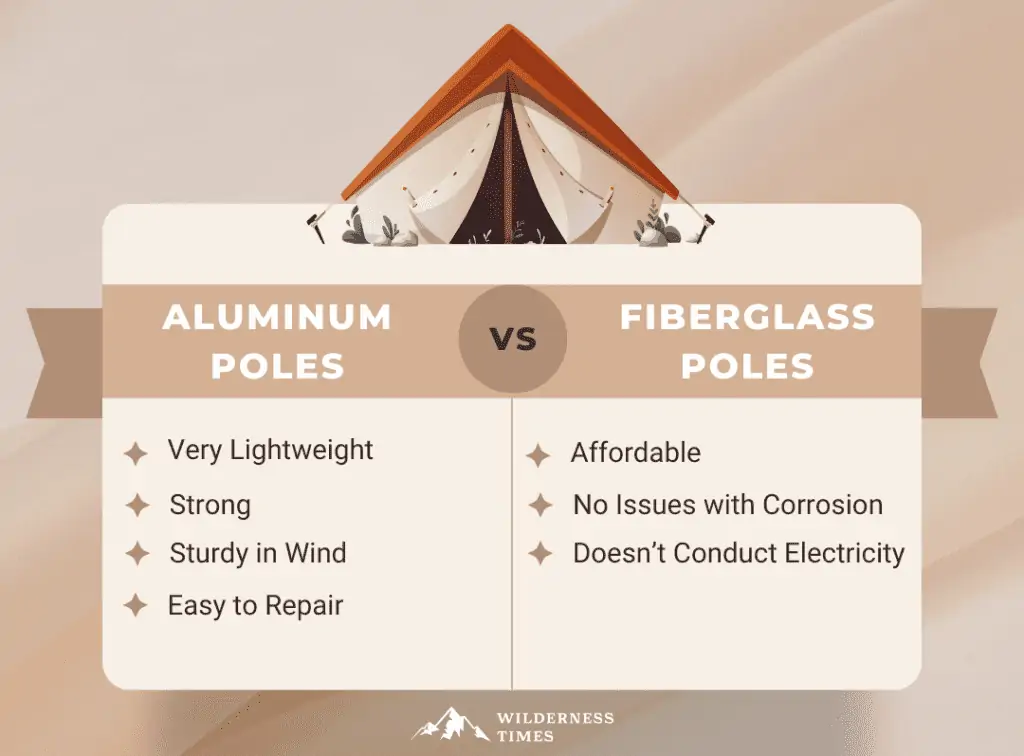
Aluminum poles are lightweight and strong, making them ideal for frequent family camping. Fiberglass poles cost less but break more easily under stress.
Look for DAC or 7001-T6 aluminum, which indicates higher-grade alloys. Thicker poles (12 to 14mm) handle wind and snow better than skinny poles. Cabin tents with X-frame configurations add lateral support for larger structures.
Evaluate Fabric Denier and Coatings
Denier measures fabric thickness. Floors should be 150D to 300D polyester with polyurethane coating for puncture resistance. Walls of 75D or higher hold up to regular use.
Higher denier adds weight without always adding durability. Balance fabric strength with how you plan to transport the tent.
Compare Comfort Features That Matter Daily
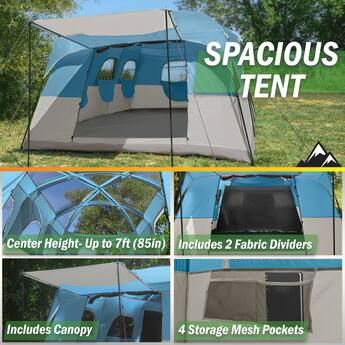
Small features separate tolerable tents from great ones. Once you are at the campsite, these details shape how much you enjoy your time.
Room Dividers and Separate Bedrooms
Tents with removable room dividers give parents privacy and keep kids in their own space. This layout also contains mess and noise across longer trips.
Multi-room designs work well for families with older children or multi-family outings. They cost more and weigh more, but the daily convenience often justifies the tradeoff.
Storage Solutions and Door Placement
Built-in mesh pockets, gear lofts, and lantern hooks keep essentials within reach. Dual doors on opposite sides improve airflow and stop the midnight climb-over-your-sleeping-bag problem.
Vestibules (covered areas outside doors) provide dry storage for muddy boots and wet backpacks. These covered spaces keep the interior cleaner and more livable.
Match Season Rating to Your Climate
Most family campers need a 3-season tent. Other ratings exist for specific conditions, but for typical spring through fall trips, 3-season hits the sweet spot.
Stick With 3-Season for Most Trips
3-season tents handle rain, moderate wind, and typical temperature swings. They breathe well, weigh less, and pitch easily compared to heavier alternatives.
If you camp in heavy snow or extreme cold, consider a 4-season tent. For most families camping in spring, summer, or fall, 3-season models deliver the best balance of features and weight.
Think About Portability and Storage
Even car-campers benefit from a tent that packs down small. Storage size affects whether your tent lives in the garage or becomes a permanent fixture there.
Weigh Packed Size and Carry Options
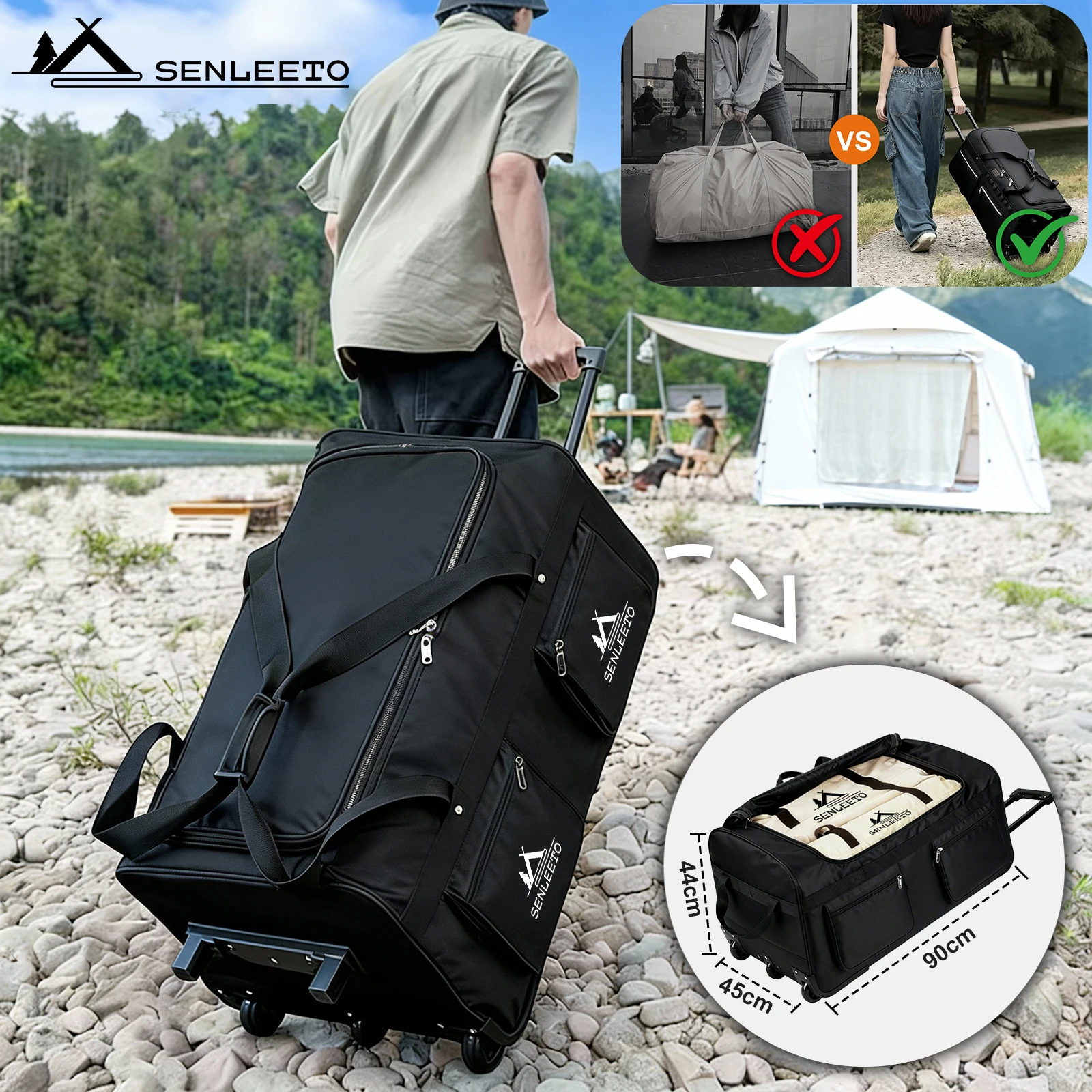
Family tents weigh 20 to 40 pounds typically. Look for carry bags with wheels or backpack straps to make transport easier.
Wheeled duffel bags work well for cabin tents that go from car to site only. If you plan any hiking from the parking area, keep total weight manageable.
Plan for Storage Between Trips
A tent that dries quickly and folds into a compact size stores better in closets, garages, or basements. Avoid tents that require perfect folding to fit back in the bag.
Set a Realistic Budget and Stick to It
Family tents range from $100 to over $500. Spending more usually means better materials and longer life, but you do not need the most expensive model to camp well.
Balance Cost Against Expected Use
Occasional campers (once or twice a year) do fine with tents in the $150 to $250 range. Frequent campers (5+ trips yearly) save money long-term by investing $300 to $400 in durable models.
Avoid the cheapest options. Low prices often mean weak waterproofing, poor zippers, and thin poles that fail within a season. Read reviews that focus on long-term durability, not just first impressions.
Test the Tent Before Your First Trip
Backyard testing prevents campsite surprises. A short practice run at home saves frustration when you arrive tired and ready to relax.
Practice Setup and Inspect for Defects
Pitch the tent in your yard and time yourself. Involve family members so everyone learns their role. Check zippers, seams, and poles for manufacturing issues.
Adjust the ventilation and rainfly to see how the tent handles different configurations. This hands-on practice builds confidence and catches problems while returns are still possible.
Frequently Asked Questions About Choosing a Family Tent
What size tent do I need for a family of four?
A 6-person tent works well for a family of four, giving extra space for gear and movement. If your kids are small or you camp with minimal equipment, a 5-person model may suffice, but sizing up always improves comfort.
How important is waterproofing for a family tent?
Waterproofing is critical because wet sleeping bags and damp interiors ruin trips quickly. Look for a hydrostatic head rating of at least 1,500mm, sealed seams, and a full-coverage rainfly to stay dry in moderate rain.
Are instant tents worth the extra cost?
Instant tents save significant setup time and work well for families who camp frequently or arrive late. They cost more and may offer less ventilation, but the convenience often justifies the price for busy parents.
Can one person set up a family tent?
Most modern family tents can be set up by one person, especially models with color-coded poles and pre-attached rainflies. Practice at home first, and choose designs with fewer poles for easier solo pitching.
What is the best season rating for a family tent?
A 3-season tent covers the needs of most family campers who travel in spring, summer, and fall. It balances weather protection, ventilation, and weight better than 4-season models designed for extreme conditions.
Final Thoughts on Picking the Perfect Family Tent
Choosing a family tent comes down to matching real needs with the right features. Size up from your headcount for actual comfort. Prioritize waterproofing and ventilation to handle weather and moisture. Pick a design that pitches quickly, especially when kids are involved. And do not overlook room dividers, storage pockets, and dual doors that make daily life easier.
Your next step is simple. Measure your family, count your typical gear, and set a realistic budget. Then visit a store with a tent display area where you can touch the fabrics, test the zippers, and compare layouts. Hands-on evaluation beats online shopping for a purchase this important.