
Claw marks, damp paws, and restless movement can turn your tent floor into a worn-out mess by morning. If you’re researching how to protect tent floor from dog damage, you’ve landed in the right spot. Pet owners across every camping style, from ultralight backpackers to car campers, face this same challenge.
Many dogs cause zero damage without any protection at all. But proactive measures like under-tent barriers, closed-cell foam pads, and consistent claw trimming create a reliable defense. This guide covers real-world methods tested by campers with dogs ranging from 45-pound Vizslas to 150-pound Great Danes. You’ll learn where to place protective materials, how to build a lightweight dog bed, and why environmental factors often threaten your floor more than your dog’s claws ever will.
Place Protective Layers Under Your Tent

Positioning a barrier between the ground and your tent floor is the single most effective way to prevent abrasion and punctures. Unlike inside-the-tent solutions, under-tent barriers keep moisture away from the floor and avoid condensation problems.
Pick the Right Groundsheet Material
Tyvek is a backpacker favorite thanks to its low weight and high tear resistance. Ground tarps made from silnylon or polyethylene also work well, especially for car camping where weight doesn’t matter. Tyvek costs little and can be cut to match your tent’s floor size exactly.
Some campers combine a lightweight tarp under the tent with a small Tyvek piece inside just for the dog’s sleeping zone. This dual-layer approach gives you extra protection in high-wear spots without adding bulk.
Avoid Moisture Trapping Inside the Tent
Putting protective material inside the tent seems logical, but it can seal dampness against the floor. When a dog lies on an impermeable layer like Tyvek, moisture from their fur gets trapped, promoting mold and degrading waterproof coatings over time.
Keep all moisture-blocking layers under the tent. If you must use something inside, choose absorbent, removable materials you can swap out daily. Never let synthetic sheets touch both your dog and the tent floor at once.
Cut Your Groundsheet to Fit Precisely
A groundsheet should be slightly smaller than your tent’s footprint. An oversized sheet catches rain and channels it underneath, defeating the purpose entirely.
If your tent floor measures 80″ x 90″, cut your groundsheet to 78″ x 88″. This ensures full coverage without exposure to water runoff. Mark corners with colored tape to speed up setup and keep everything aligned.
Build a Durable Dog Sleeping Zone

A dedicated sleeping area keeps your dog warm, dry, and off potentially damp ground while protecting your tent floor from constant friction.
Use Closed Cell Foam Pads
Closed cell foam (CCF) pads are the gold standard for dog insulation and floor protection. They resist water, won’t compress over time, and provide a stable, non-slip surface. One camper cut a Coleman CCF pad to 20″ x 30″ for an 80-pound Labrador, just enough space when curled up.
These pads weigh only a few ounces and roll or fold easily. Unlike inflatable mats, they can’t puncture and require zero maintenance. Place the CCF pad on top of your sleeping area or in the tent’s vestibule for maximum protection.
Create a Non-Slip Mat
Dogs shifting during sleep create friction that gradually wears down tent floors. A non-slip mat adds grip and cushions movement. You can buy rubber-backed camping mats or sew your own by layering fleece with waterproof nylon.
One effective DIY design uses Insul-Bright, a reflective polyester batting that resists compression better than traditional fill. Sandwich it between two fabric layers for a bed that stays lofty and adds thermal protection from cold ground.
Add Absorbent Layers for Wet Dogs
If your dog enters the tent wet, place a microfiber towel or quick-dry mat beneath their bed. These materials pull moisture away from fur before it soaks into the tent floor. Change or dry the towel daily to prevent mildew.
A simple “nesting” system works well: CCF pad on the bottom, then a towel, then a fleece blanket. This layered approach handles moisture, provides comfort, and makes cleanup easy after every trip.
Keep Your Dog’s Claws Trimmed
Sharp claws are the biggest threat to tent floors. Even gentle movement turns long toenails into tiny daggers that snag or puncture thin fabrics.
Trim Claws Every Two Weeks
Regular trimming keeps claws short and blunted, drastically reducing damage risk. One camper trims their dog’s nails twice monthly and reports zero floor issues despite frequent trips. For big adventures, trim one week before departure so any sharp edges dull naturally.
Use guillotine-style clippers or a grinder designed for dogs. Avoid cutting into the quick (the pink vein inside the nail), which causes pain and bleeding. If you’re unsure, ask a vet or groomer to show you proper technique.
Smooth Out Rough Edges
Even short claws can have jagged tips that catch on fabric. After trimming, run your finger along each nail to feel for sharp points, then smooth them with a nail file or grinder. Pay special attention to dewclaws, which don’t wear down naturally and often grow longer than the others.
Dogs that hike over rocky terrain may naturally wear down their claws, but most trail dogs still need manual maintenance every few weeks.
Train Your Dog for Tent Behavior
A well-trained dog causes far less damage than an untrained one. Teaching boundaries and routines ensures your pet stays calm, sleeps in their own space, and avoids destructive habits.
Crate Train for Calm Entry
Dogs that are crate-trained often see the tent as their den. One camper reports their dog walks in, lies down, and stays put, treating the shelter like “his crate.” This behavior minimizes movement and eliminates scratching or pacing.
Start crate training at home before hitting the trail. Use treats and positive reinforcement to encourage quiet time inside the tent. Never leave an untrained dog alone in the shelter, since unsupervised dogs may chew gear or claw at seams.
Set Clear Sleeping Boundaries
Teach your dog to sleep in their own bed rather than your sleeping bag. If they climb in with you, gently guide them back and cover their bed with a familiar blanket. Over time, they’ll choose their own spot.
Use verbal cues like “bed” or “down” during setup. Reward compliance with a treat or chew toy. Once settled, most dogs won’t move unless disturbed. As one owner noted, “Once she’s down and asleep, there is no moving her.”
Protect Netting and Zippers
Some dogs paw at mesh windows or zippers when they want to go out, which can tear bug netting or jam zippers. Train your dog to wait calmly by using a command like “wait” before unzipping.
If your dog tends to push through, consider using a vestibule or outdoor tether at night. One dog sleeps outside on a long leash fastened to the owner’s wrist, close enough for security but far enough to protect the tent.
Choose a Tent Built for Dog Owners
Not all tents hold up equally under dog use. Selecting the right model from the start reduces your risk of damage significantly.
Prioritize Floor Denier and Coating
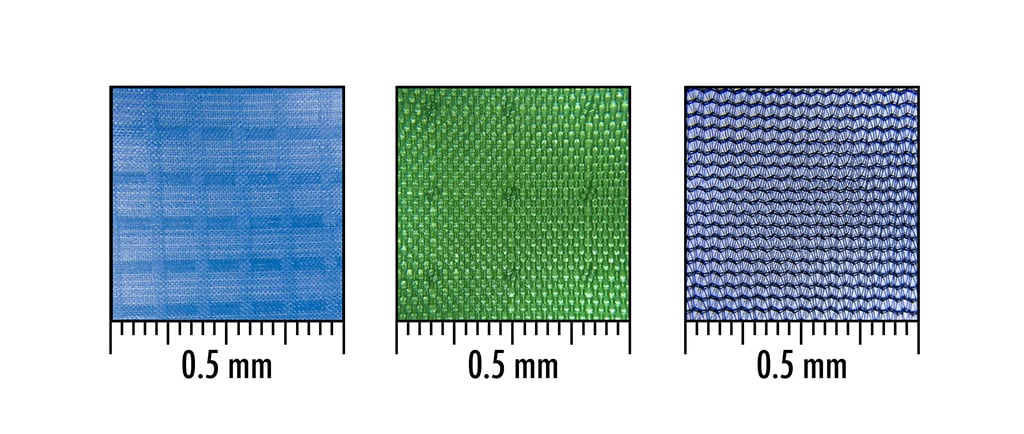
Denier (D) measures fabric thickness. Higher denier equals more durability. Tents with 70D floors, like some Six Moon Designs models, are tougher than those with 30D, like the REI Quarterdome T2.
However, real-world use shows even ultralight tents can withstand large dogs when behavior is managed. The Tarptent Rainshadow 2 had zero dog-related damage after a year with a 150-pound Great Dane. Floor failure came only from wind and rocks, not the dog.
Look for PU-coated nylon floors, which offer good water resistance and abrasion protection. Avoid silicone-coated fabrics if you have an active dog. They’re stronger but harder to patch if torn.
Opt for Extra Space and Vestibules
A three-person tent is ideal for one human and one dog, even if your dog weighs less than 60 pounds. Extra room lets your dog stretch out without touching walls and gives you space to store gear.
Vestibules are a game-changer. They let dogs sleep outside the main cabin while staying protected from rain. One dog sleeps in the vestibule on a foam pad and only pokes its nose through the zipper in the morning.
Consider Floorless Shelters
For ultimate floor protection, go with a floorless shelter like the CCS Lean 1. With no floor to damage, you eliminate the problem entirely. Pair it with a groundsheet and bug net for full protection.
Tarps and hammocks are also excellent alternatives. Dogs can sleep under a tarp on a CCF pad or beneath a suspended hammock. One camper modified an old hammock with netting to create a dog-sized shelter.
Manage Moisture and Wet Conditions
Wet dogs bring moisture into the tent, which degrades floors over time. Preventing dampness is just as important as physical protection.
Dry Your Dog Before Entry
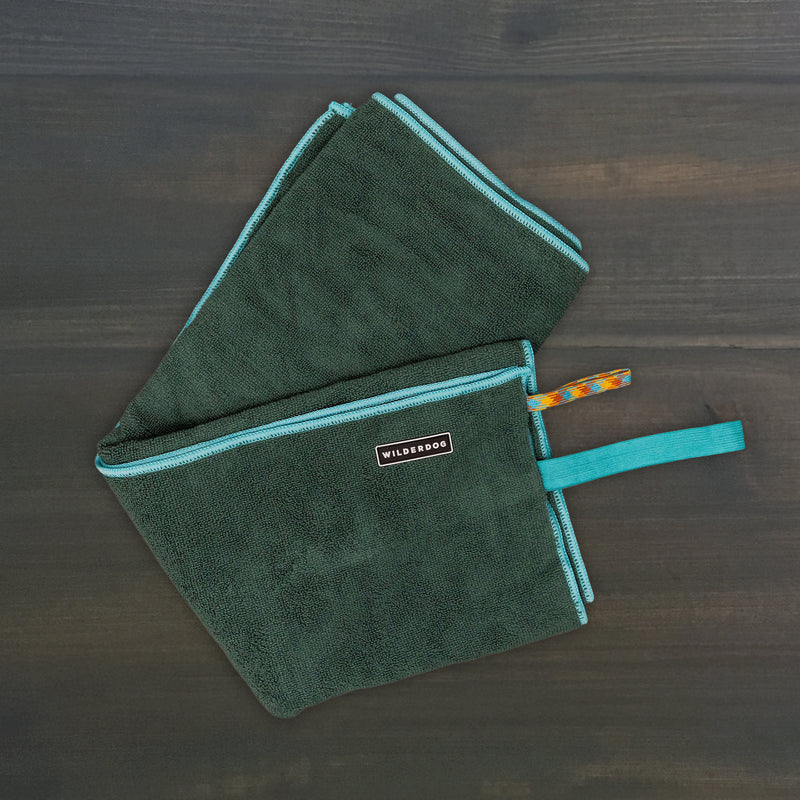
Always dry your dog with microfiber towels before letting them into the tent. These towels absorb more water than cotton and dry quickly. Keep a dedicated pile for dog drying, and never let a soaking pet enter unattended.
In heavy rain, consider a dog raincoat. One owner used one during storms, and even though their dog disliked it, the coat kept fur drier and reduced towel use.
Use a Guide Tarp for Gear Protection
If your dog is muddy or wet, set up a guide tarp over your gear inside the tent. This lightweight sheet covers sleeping bags and clothes, shielding them from dirt and damp paws.
After the dog settles, remove the tarp and ventilate the tent. This method works especially well in car camping or basecamp scenarios where weight isn’t a concern.
Ventilate to Prevent Condensation
Even with dry dogs, body heat and respiration create condensation. Keep vents open and position your tent to catch breezes. Avoid sealing the tent completely, especially in humid weather.
If you use any inside layer, lift it daily to air out the floor. Hang it in the sun or drape it over a branch. Proper drying prevents mold and extends the life of both your tent and your protective gear.
Explore Alternative Sleeping Arrangements
Sometimes the best way to protect your tent floor is to keep your dog off it entirely.
Sleep in the Vestibule
Many dogs prefer the vestibule because it’s quieter and gives them a view. Place a CCF pad and blanket there for comfort. Use a long leash clipped to a stake so they can’t wander.
One dog sleeps outside on a leash tied to the owner’s wrist, close enough to feel secure but far enough to avoid accidental kicks or clawing.
Try Hammock or Tarp Camping
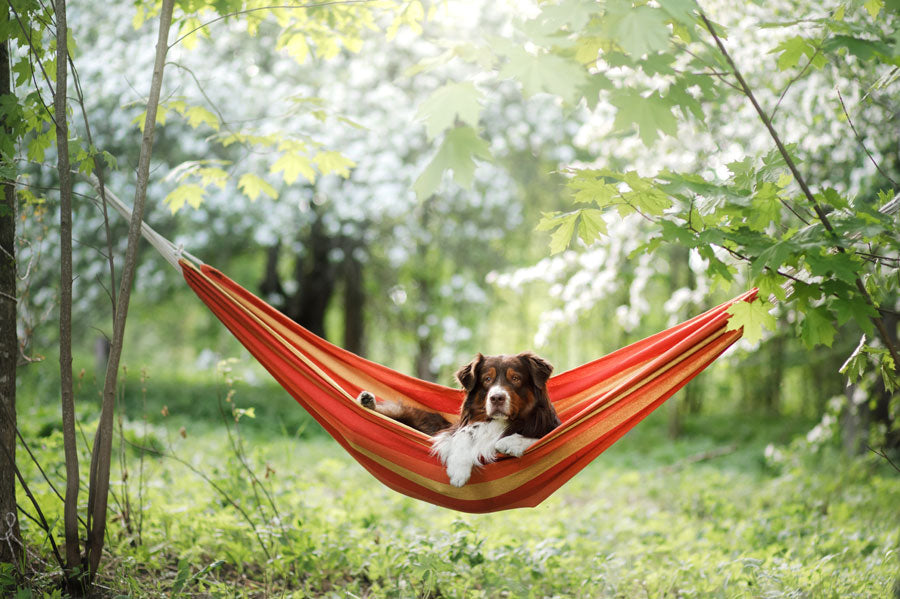
Hammock camping with a dog is entirely possible. Some owners hang a hammock and let the dog sleep underneath on a blanket. Others use a tarp as the primary shelter, with both human and dog sleeping beneath.
For cold weather, add a bivy sack or insulated pad. Dogs often adapt quickly, especially when introduced to the routine at home first.
Build a DIY Dog Shelter
No commercial self-inflating mats exist for dogs, but DIY solutions fill the gap. Ideas include:
• Cutting an old hammock in half and adding stakes
• Draping bug netting over a settled dog
• Using a staked-out screen door with magnetic closure
One camper dreamed of a mini display tent, lightweight, bug-proof, and dog-sized. Until that exists, these homemade solutions get the job done.
Frequently Asked Questions About Protecting Tent Floors from Dogs
Do dogs actually damage tent floors?
Not always. Many campers report zero floor damage from dogs as large as 150 pounds, even without any protection. Sharp claws and constant movement cause the most wear, but regular maintenance and training eliminate most risks.
Should I put Tyvek inside or outside my tent?
Place Tyvek under the tent whenever possible. Inside placement can trap moisture against the floor, leading to mold and condensation problems. Under-tent placement protects against ground abrasion without these side effects.
How often should I trim my dog’s claws for camping?
Trim every two weeks for active camping dogs. For big trips, trim one week before departure so any sharp edges naturally dull. Pay attention to dewclaws, which don’t wear down on their own.
What’s the best bedding for dogs in tents?
Closed cell foam pads offer the best combination of insulation, durability, and weight. They resist water, won’t compress, and provide a stable surface. Layer a microfiber towel underneath for wet dogs and a fleece blanket on top for warmth.
Can I leave my dog alone in the tent?
Only if your dog is crate-trained and calm. Unsupervised dogs may chew gear, claw at seams, or damage bug netting. Even trained dogs should not be left alone for long periods in a shelter.
Which tent material is best for dogs?
Higher denier floors (70D) offer more durability than lighter options (30D), but behavior and claw maintenance matter more than material alone. PU-coated nylon floors provide good water resistance and abrasion protection for most camping situations.
Final Thoughts on Protecting Your Tent Floor
Protecting your tent floor from your dog doesn’t require expensive gear or complicated setups. The most effective strategies, using under-tent protection, trimming claws regularly, training boundaries, and managing moisture, are simple, proven, and often free. Real-world reports show that even 150-pound dogs can camp for years without damaging a tent when these basics are followed.
Start with the basics this weekend. Pick up a Tyvek sheet, trim your dog’s claws, and pack a CCF pad. Test these methods on a short trip before committing to a longer adventure. You’ll quickly learn what works for your dog and your camping style. Focus on prevention, choose the right materials, and enjoy the trail with your best friend, worry-free.