
You’re planning a solo backpacking trip, a quiet weekend in the woods, or maybe a fast-and-light alpine climb. Your gear list starts with one critical question: what type of 1 person tent is right for you? With so many designs on the market, it’s easy to feel overwhelmed by the choices.
Choosing the wrong shelter can mean extra weight on your back, poor weather protection, or a cramped night’s sleep. This guide breaks down the types of 1 person tent to help you match your shelter to your adventure.
Backpacking Tents: The All-Rounders for Solo Hikers
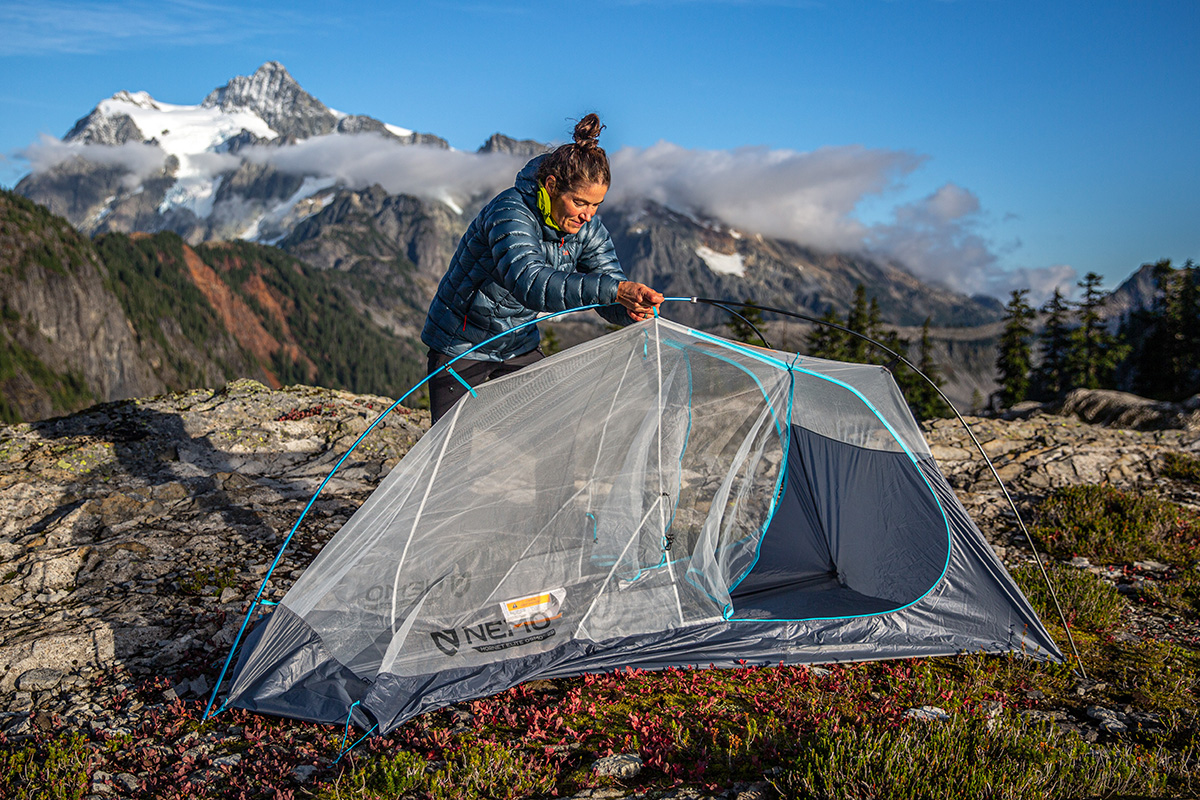
Backpacking tents are the most common type of 1 person tent for hikers covering long distances. They balance weight, durability, and weather protection in a single package.
Lightweight vs. Ultralight Builds
Lightweight 1 person tents typically weigh between 2.5 and 3.5 lbs. They use durable materials like 20D nylon and aluminum poles, offering solid storm resistance. Ideal for three-season use, they are a go-to for weekend hikers who want reliability without overspending.
Ultralight tents tip the scales at under 2 lbs, some even under 1 lb. Made with advanced fabrics, they sacrifice some durability for minimal weight. Perfect for thru-hikers or fastpackers, but often cost more and require careful handling.
Pro Tip: Ultralight doesn’t always mean affordable. High-end materials and minimalist design drive up the price.
Freestanding vs. Non-Freestanding Frames
Freestanding tents use self-supporting poles and can stand without stakes. They are easier to move and reposition, which is great for uneven ground or last-minute campsite changes. Most backpacking models fall into this category.
Non-freestanding tents rely on stakes and guylines for structure. They are lighter and pack smaller, but require precise anchoring. Best for experienced campers who know how to tune tension and placement.
Common Mistake: Trying to set up a non-freestanding tent on rocky ground without proper anchors. Always carry extra guylines and rock anchors.
Dome Tents: Stable Shelters with Easy Setup

Dome tents are one of the most popular 1 person tent styles, thanks to their simple setup and strong structure. They are a reliable choice for many solo campers.
Why the Dome Shape Works
Using two crossing poles, dome tents create a self-supporting frame that resists wind and snow load. The curved walls provide headroom in the center and decent shoulder space, which is rare in solo shelters.
They are typically freestanding, so you can adjust placement after assembly. Most use clip-on rainflies for quick setup and ventilation control.
Best Conditions for Dome Tents
Dome tents excel in spring, summer, and fall. Their steep walls shed rain well, and mesh panels reduce condensation. However, they are less aerodynamic than tunnel tents, making them less ideal for exposed alpine ridges.
Look For: Dual-pole construction, full-coverage rainfly, and at least one vestibule for gear storage.
Tunnel Tents: Wind-Ready and Surprisingly Roomy
Tunnel tents use one or more flexible poles arched lengthwise to form a tube-like shape. In 1 person models, they offer surprising volume and weather resilience for solo adventurers.
Single vs. Multi-Pole Designs
Single-pole tunnels are rare in solo tents but exist in minimalist formats. They are quick to pitch but less stable in crosswinds.
Double- or triple-pole tunnels are more common. With multiple hoops, they create a rigid structure that handles strong winds when properly staked. Their elongated shape maximizes interior length, which is ideal for tall users.
Wind Performance and Setup
Tunnel tents shine in exposed, windy environments like moorlands or coastal campsites. When aligned correctly, with the ends into the wind, they slice through gusts better than domes.
Setup Tip: Always orient the tent with the narrow end facing the prevailing wind for maximum stability.
The main drawbacks are that tunnel tents are rarely freestanding, requiring precise staking. Uneven ground can make setup tricky, and they often need all guylines deployed in bad weather.
Bivy Tents: The Ultimate in Minimalist Shelter

Bivy tents (or bivouac shelters) are the ultimate in minimalism. Originally designed for alpine climbers, they are now popular among ultralight backpackers who want to shed every possible ounce.
What Defines a Bivy Shelter
A bivy is a snug, non-freestanding shelter that wraps around your sleeping bag. Most are single-wall designs with a small overhead canopy or mesh head panel.
They weigh as little as 12 to 16 oz and pack to the size of a water bottle. Some are just waterproof sacks with a clear visor, while others have trekking pole support for headroom.
Pros and Trade-Offs of Bivy Use
Pros:
– Lightest option available
– Nearly invisible footprint
– Excellent wind and rain resistance
Trade-Offs:
– Very tight space, you can’t sit up or move much
– High condensation risk due to limited ventilation
– Slower to enter and exit than traditional tents
Best For: Summit pushes, ski tours, or solo bikepacking where weight is critical.
Reducing Condensation in a Bivy
To reduce condensation, pitch with the head end slightly elevated, open the hood partially in dry weather, and use a small mesh insert if your model allows it.
Pyramid Tents: Trekking Pole Shelters for Ultralight Hikers
Pyramid tents use a single trekking pole as the central support, creating a conical or pyramid shape. They are a favorite among DIY and ultralight communities for their simple design.
How Pyramid Tents Work
A single pole stands vertically in the center, with the tent fabric stretched outward and staked to the ground. The result is a roomy-feeling shelter with excellent headroom at the center.
Most are made from silnylon or DCF and weigh under 2 lbs. Some include side pockets or mesh panels for storage and ventilation.
Setup and Stability Tips
You need a sturdy trekking pole, usually 48 to 54 inches tall. Without it, the tent won’t stand. Some models include a short pole cup or hub, while others rely on a pole tip pressed into the ground.
Warning: Soft ground can cause the pole to sink. Use a pole pad or flat rock under the tip.
The steep walls shed rain and snow efficiently. When fully staked and guyed, they handle wind well, but side winds can cause flapping if guylines aren’t tensioned properly.
Pop-Up and Instant Tents: Fast Setup with Extra Weight
Pop-up 1 person tents are designed for convenience. They use pre-attached, spring-loaded poles that pop into shape when released from the bag.
Who Should Choose a Pop-Up Tent?
These are best for car campers, festival-goers, or casual users who value speed over weight. Setup takes seconds: just remove from the bag and let it expand.
However, they are heavier, often 4 lbs or more, and bulky to pack. They are not suitable for backpacking.
Durability Concerns with Pop-Up Designs
The spring mechanisms can fail after repeated use, and repairs are difficult since poles aren’t user-replaceable. Also, they are less stable in wind due to flexible frames.
Use Case: Backyard camping, music festivals, or emergency shelter, not for rugged outdoor adventures.
Season Ratings: Matching Tents to Weather
Not all 1 person tents handle the same weather conditions. Season ratings help you choose based on climate and time of year.
3-Season Tents for Most Climates
Most solo tents are 3-season models, built for spring, summer, and fall. They feature large mesh panels for airflow, a full rainfly for storm protection, and good ventilation to reduce condensation.
Avoid using them in heavy snow or extreme cold, as poles may not support snow load.
4-Season Tents for Winter and Alpine Use
Built for winter or alpine use, 4-season 1 person tents are rare but available. They have reinforced poles (often thicker aluminum or steel), smaller vents to prevent snow entry, and stronger fabrics with a tighter structure.
They are heavier at 5 lbs or more and stuffier in warm weather, so not ideal for summer hikes.
Expert Note: True 4-season tents are overkill for most solo backpackers. A sturdy 3-season model with good guylines handles light snow just fine.
Key Features to Compare Before Buying
When evaluating types of 1 person tent, focus on these critical factors to find the right match for your needs.
Weight and Packed Size
Backpackers should aim for under 3 lbs. Ultralight seekers look for sub-2 lb models. Check both trail weight (tent, poles, stakes) and minimum weight (with only essential parts).
Packed size matters for tight packs. Most solo tents fit in an 18 to 24 inch compression sack.
Ventilation and Condensation Control
Look for adjustable rainfly vents, mesh ceiling or upper walls, and dual-door designs where available. Even with good design, condensation happens, so pitch in the windiest legal spot and avoid touching the walls.
Headroom and Interior Space
Most 1 person tents are 7 to 8 feet long but only 30 to 36 inches wide at the shoulders. Dome and tunnel styles offer the most usable space.
Check peak height, as 38+ inches lets you sit up comfortably.
Pro Tip: Measure your body length before buying. Some 1 person tents are too short for users over 6 feet.
Choosing the Right Tent Type for Your Adventure
Match your tent to your adventure style to get the best performance on the trail.
Ultralight Backpackers
If every ounce counts, go minimalist with a bivy sack or trekking pole pyramid. These save weight and pack tiny, though you accept a tight fit and a longer setup learning curve.
Long-Distance Hikers
Balance comfort and weight with a freestanding dome or stable tunnel tent. Look for durability, a small vestibule, and easy setup after long days on the trail.
Car Campers or Festival-Goers
Speed and comfort over portability matter most here. Pop-up tents are easy to use and roomy, but too heavy for the trail.
Alpine Climbers
Need storm protection at high altitude? Choose a rugged bivy or reinforced tunnel tent. Prioritize wind resistance and snow shedding capabilities.
Frequently Asked Questions About 1 Person Tents
What is the lightest type of 1 person tent?
Bivy tents are the lightest type of 1 person tent, weighing as little as 12 to 16 oz. They are non-freestanding shelters that wrap around your sleeping bag for minimal weight and packed size.
Are dome tents good for 1 person backpacking?
Yes, dome tents are a popular choice for 1 person backpacking. They are typically freestanding, easy to set up, and offer good stability and interior space for solo campers.
What is the difference between a bivy and a 1 person tent?
A bivy is a minimalist, non-freestanding shelter that wraps around your sleeping bag with very limited space. A 1 person tent is a full shelter with poles, more interior room, and better ventilation.
Can you use a 4-season tent in summer?
You can, but 4-season tents are heavier and have less mesh ventilation, making them stuffy in warm weather. They are designed for winter and alpine conditions, so a 3-season tent is a better summer choice.
How do I choose between freestanding and non-freestanding tents?
Choose freestanding if you want easy setup and the ability to reposition your tent on uneven ground. Choose non-freestanding if you prioritize lighter weight and smaller packed size, and you have experience with staking techniques.
Final Thoughts on Choosing the Right 1 Person Tent
The best type of 1 person tent depends on your priorities: weight, space, weather protection, or ease of use. Ultralight backpackers should consider bivy or pyramid tents for minimum weight. Long-distance hikers will find the best balance in a lightweight dome or tunnel tent.
Before making your final purchase, test the setup at home, check the warranty for repair programs, and consider color based on your climate. Always pack a footprint to protect the floor and extend your tent’s life. Know your environment, understand the designs, and choose a shelter that lets you focus on the journey, not the gear.