
Colorado’s rugged peaks, alpine lakes, and endless wilderness trails have long drawn outdoor enthusiasts—but in recent years, the state has become the epicenter of a national hiking travel boom. In 2023 alone, 93.3 million visitors poured into Colorado, spending a record $28.3 billion, with hiking and day recreation driving much of the surge. From the snow-capped 14ers to iconic trails like Hanging Lake and the Colorado Trail, demand has skyrocketed. But this popularity comes at a cost: overcrowded trailheads, damaged ecosystems, and strained infrastructure. As visitation soars, land managers, conservationists, and travelers alike are grappling with a critical question: Can Colorado’s wild spaces survive the very attention that makes them so beloved?
Economic Drivers Behind Colorado’s Hiking Explosion
The hiking travel boom isn’t random—it’s the result of powerful economic and cultural shifts. Since 2019, Colorado has seen a 7.3% increase in visitors and a 16.8% jump in tourism spending, outpacing national averages. Much of this growth is fueled by a growing preference for nature-based, socially distanced recreation, especially among younger travelers and urban residents seeking quick mountain escapes.
Why Hikers Keep Choosing Colorado
Several key factors make Colorado a top-tier hiking destination:
– Proximity to major cities: Denver and Boulder offer trail access within an hour, making weekend hikes highly accessible.
– Viral trail visibility: Platforms like Instagram and AllTrails have turned spots like Maroon Bells and Emerald Lake into global icons.
– Diverse terrain: From desert canyons to 14,000-foot peaks, Colorado delivers unmatched variety.
– Post-pandemic outdoor shift: More people now prioritize health, fitness, and mental well-being through outdoor recreation.
The Denver metro area captured $13.9 billion in tourism spending in 2023—nearly half the state’s total. Meanwhile, the “Rockies Playground” region (Summit, Eagle, Pitkin, and Garfield counties) saw $4.3 billion in visitor spending, driven largely by non-ski outdoor recreation like hiking and mountain biking.
Day Hiking vs. Overnight Camping: A Shifting Trend
While total visitation is up, the way people are using trails is changing. Day travel spending rose 4.1% from 2022 to 2023, while camping spending dipped by 2.3%. This reflects a growing preference for shorter, accessible hikes near highways and towns—where parking often fills by 7 a.m. on weekends.
| Trend | 2019–2023 Change |
|---|---|
| Day travel spending | +7.1% |
| Camping spending | +10% |
| Total visitor increase | +7.3% |
| Total spending increase | +16.8% |
This imbalance means more pressure on day-use sites without proportional investment in restrooms, trash collection, or trail maintenance—leading to environmental strain and degraded experiences.
White River National Forest: The Epicenter of Overuse
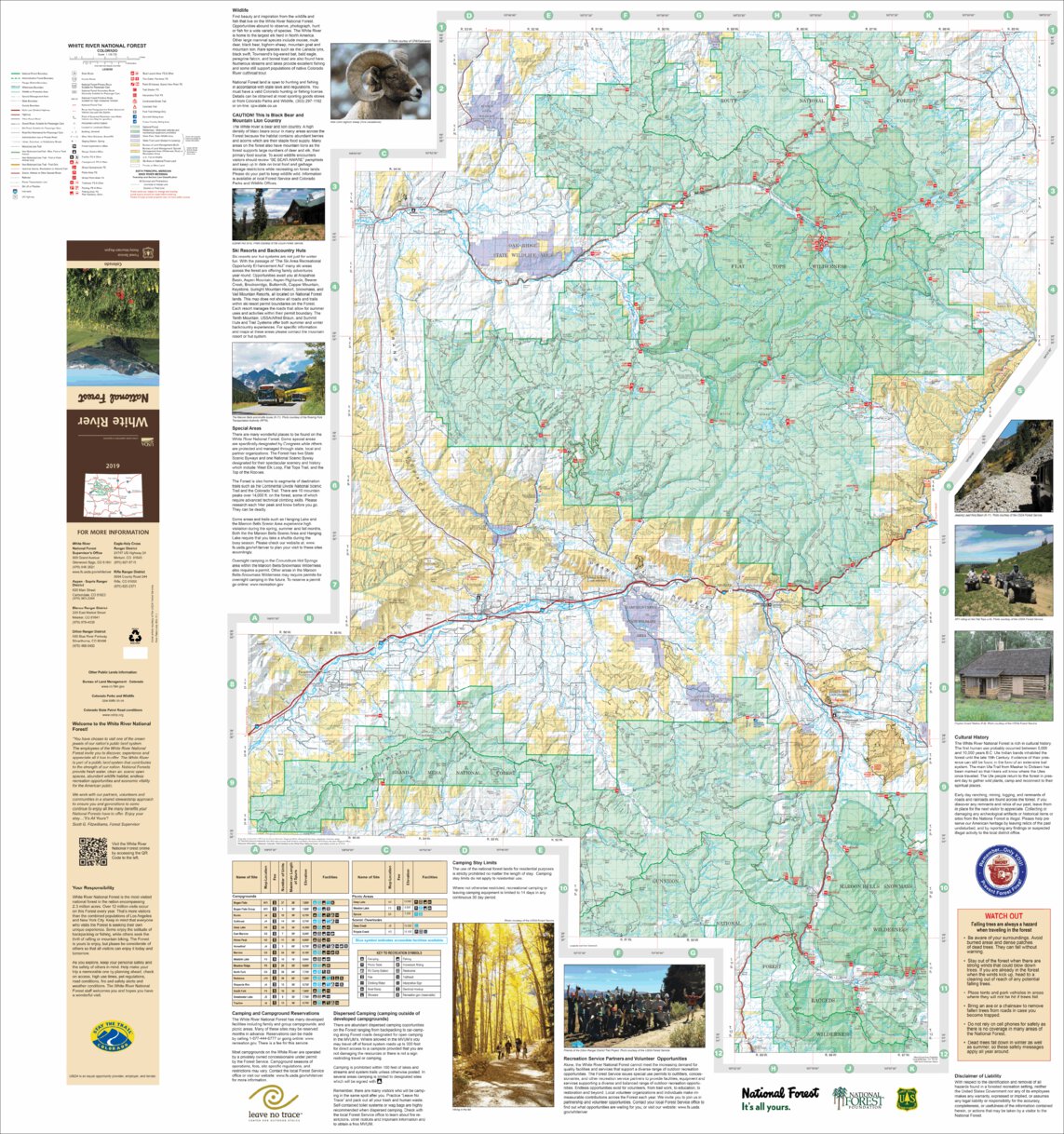
The White River National Forest is the most visited national forest in the U.S., supporting 22,000 jobs and generating $1.6 billion in economic impact. But its 2.3 million acres are struggling under 18.4 million annual visitors—up from 12.5 million in 2017. Of these, 6.5 million are non-ski-area users, flooding trails in summer and fall.
Most Overcrowded Hiking Destinations
Twenty-five non-ski recreation sites in the forest attract over 40,000 visitors annually, yet most lack basic infrastructure:
– Quandary Peak (Summit County): Once drew 49,000 hikers in 2020; dropped to ~30,000 in 2023 after shuttle implementation.
– Hanging Lake (Glenwood Springs): Now requires timed entry permits to cap daily access at 1,500.
– Conundrum Hot Springs: 16.9-mile round trip; closed multiple times due to waste and overcrowding.
– Blue Lakes (near Telluride): Remote 8.7-mile hike with a rough 9-mile access road—still packed on summer weekends.
Critical Infrastructure Gaps
- 18 of 25 high-use sites have no restrooms, affecting 750,000+ visitors annually.
- Trailheads overflow, forcing illegal parking on forest roads.
- Trash, human waste, and off-trail hiking damage fragile alpine soils and watersheds.
Scott Fitzwilliams, White River Forest Supervisor, warns: “Those people are going to the bathroom somewhere. That’s not sustainable.” Despite I-70 expansions and improved access, recreation infrastructure has not kept pace with demand.
14er Hiking: From Peak Popularity to Managed Decline

Colorado’s 58 “Fourteeners” have long been a magnet for hikers. In 2020, a record 415,000 hikers summited between Memorial Day and mid-October, driven by pandemic-era outdoor enthusiasm. But by 2023, 14er traffic had declined by ~50% from 2020 levels, possibly the second-lowest year since tracking began in 2015.
Why 14er Traffic Is Dropping
- Shuttle and parking restrictions limit access to peaks like Quandary and Grays Peak.
- Increased awareness of risks—altitude, weather, and scrambling—discourages casual hikers.
- Trail fatigue and crowding are pushing experienced hikers toward lesser-known routes.
Still, overall public land use remains historically high, according to Lloyd Athearn of the Colorado Fourteeners Initiative.
Top 14ers by Visitation (2023 Estimates)
| Peak | Location | Annual Visitors | Difficulty |
|---|---|---|---|
| Grays & Torreys Peaks | I-70 Corridor | ~60,000 | Moderate |
| Mount Elbert | Leadville | ~50,000 | Moderate |
| Mount Bierstadt | Georgetown | ~40,000 | Moderate |
| Quandary Peak | Summit County | ~30,000 | Moderate |
| Longs Peak | RMNP | ~30,000 | Strenuous |
Iconic Hikes and Backpacking Adventures
Colorado offers trails for every level—from easy alpine lakes to multi-day backcountry treks.
Must-Do Day Hikes
- Emerald Lake (RMNP): 3.6-mile round trip with glacier views. Parking fills by 6 a.m.
- Royal Arch (Boulder): Steep 3.4-mile climb with panoramic Flatirons views.
- The Incline (Manitou Springs): 2,000 ft gain over 2.5 miles—45% average grade.
- Chasm Lake (RMNP): 8-mile hike beneath Longs Peak’s Diamond. Best before noon.
- Garden of the Gods: Free access, red rock formations, and easy trails.
Premier Backpacking Trips
- The Colorado Trail: 567 miles from Denver to Durango, crossing 8 mountain ranges and 6 wilderness areas. Most thru-hike in 4–6 weeks.
- Million Dollar Trek (San Juans): 35-mile guided hut-to-hut trip with gourmet meals and hot tubs. Cost: $2,299+.
- Four Pass Loop (Maroon Bells): 26-mile loop over four 11,000+ ft passes. Requires backcountry permit and bear canister.
Guided Hiking: Safety, Access, and Sustainability
With rising demand and risks, more hikers are turning to guided trips.
Leading Guided Tour Operators
- Colorado Mountain Expeditions (CME):
- Small-group hikes (max 12) in RMNP and the Colorado Trail.
- 6–10 day trips from $1,450–$2,499, fully supported.
-
Offers art-integrated tours (photography, painting).
-
Wildland Trekking:
- Rocky Mountain High Alpine Adventure: 4 days, $1,595.
-
Across the Divide: 5-day Continental Divide crossing, $1,965.
-
San Juan Mountain Guides:
- Operators of the Million Dollar Trek.
- Guides are IFMGA-certified, the highest international standard.
Guided trips promote Leave No Trace practices and reduce impact by accessing less-traveled routes.
Environmental Toll: When Trails Wear Out

The hiking boom is taking a measurable toll on Colorado’s ecosystems.
Key Ecological Threats
- Soil compaction and trail braiding from off-trail hiking.
- Vegetation loss in alpine tundra above 11,000 feet.
- Human waste pollution in watersheds—especially near Conundrum and Blue Lakes.
- Wildlife disturbance: Elk, moose, and bighorn sheep are increasingly displaced.
- Litter and micro-trash: Food wrappers and toilet paper accumulate on popular routes.
Most Affected Areas
- Maroon Bells–Snowmass Wilderness: Requires shuttles and permits due to crowding.
- Great Sand Dunes National Park: High Dune Trail sees sand erosion from heavy use.
- San Juan Mountains: Hut-to-hut treks increase pressure on alpine basins.
Managing the Boom: Permits, Shuttles, and Planning
To protect natural resources, Colorado is implementing new access controls.
Access Control Systems
- Hanging Lake: Timed entry permits year-round.
- Maroon Bells: Shuttle system in place June–October.
- Backcountry Camping Permits: Required in RMNP, Flat Tops, and Four Pass Loop.
- Quandary Peak & McCullough Gulch: Summit County shuttles stabilized visitation in 2023.
Accelerated Forest Planning
The White River National Forest is fast-tracking its forest plan update to 2024 (from 2030), focusing on:
– Identifying zones for infrastructure investment.
– Designating areas where development should be limited.
– Promoting public-private partnerships to fund restrooms and trail maintenance.
“Do Colorado Right”: A Statewide Call for Responsibility
Launched by the Colorado Tourism Office, the “Do Colorado Right” campaign promotes responsible recreation.
Key Messages
- Pack out all trash, including toilet paper.
- Stay on trails to prevent erosion.
- Respect wildlife—keep 100 ft distance.
- Plan ahead: Check permits, weather, and conditions.
- Avoid peak hours: Hike before 7 a.m. or on weekdays.
Funding and Outreach
- Grants up to $20,000 (with $5,000 local match).
- Adopted by 19 communities, including Breckenridge and Steamboat.
- Supports digital signage, trail ambassadors, and social media.
A new destination stewardship department is developing eight regional plans with the U.S. Forest Service and Colorado Parks and Wildlife.
The Future: Balancing Growth and Preservation
The Colorado hiking travel boom shows no signs of slowing. But without intervention, the state’s wild places could be degraded beyond repair.
Emerging Solutions
- Expand shuttle systems to more trailheads.
- Install composting toilets and trash stations.
- Boost ranger presence for education and enforcement.
- Promote lesser-known areas like the Flat Tops and Weminuche Wilderness.
As Scott Fitzwilliams warns: “There’s no indication on these trend lines that they are stopping. Is long-term growth along this trend line sustainable? We don’t think so.”
The future of Colorado hiking depends on responsible choices—by visitors, businesses, and policymakers alike. By hiking wisely, supporting stewardship, and exploring beyond the headlines, travelers can help preserve Colorado’s wild heart for generations to come.