
You lace up your boots, inhale the crisp mountain air, and start climbing—could this peaceful escape be quietly melting away stubborn belly fat? The answer is a resounding yes, hiking can help reduce belly fat, but not in the way most expect. Forget spot-reduction gimmicks; hiking works by triggering full-body fat loss, including the visceral and subcutaneous fat stored around your abdomen. Supported by science and real-world results, hiking is a powerful, low-impact, and sustainable way to create the calorie deficit needed for fat loss—especially when paired with smart nutrition.
Unlike grueling gym sessions that often lead to burnout, hiking feels more like adventure than exercise. It burns 450–700+ calories per hour, depending on terrain, elevation, and body weight. A 3-hour trek can torch over 1,500 calories, equivalent to a large fast-food meal. But the real advantage? You’re far more likely to stick with it. This article breaks down exactly how hiking contributes to belly fat reduction, how to maximize your calorie burn, and why diet remains the deciding factor—no matter how many miles you log.
How Hiking Triggers Systemic Fat Loss
Belly Fat Can’t Be Targeted Directly
Despite endless ab workouts and fitness ads, you can’t choose where your body burns fat. The idea of “spot reduction” is a myth. Whether you’re hiking steep trails or doing planks, your body pulls energy from fat stores systemically—not from the area you’re working.
Visceral fat (the deep abdominal fat linked to insulin resistance and heart disease) often diminishes later in the fat-loss journey, even if it was the first to accumulate. Fat loss follows genetic and hormonal patterns—some lose face fat first, others notice changes in their waist after weeks of consistency. The key? A sustained calorie deficit, and hiking is one of the most enjoyable ways to create it.
“You can’t pick where your body loses fat. This idea is called ‘spot reduction,’ and it’s a myth.” — Article 5
Aerobic and Anaerobic Effects Combine for Maximum Burn
Hiking isn’t just steady-state cardio. The mix of uphill climbs, rocky paths, and sudden bursts—like scrambling over boulders—creates both aerobic and anaerobic demands. This dual effect boosts:
- Fat oxidation during moderate effort
- EPOC (Excess Post-Exercise Oxygen Consumption) after intense sections, meaning you burn more calories even at rest
Your heart rate naturally fluctuates on trails, mimicking high-intensity interval training (HIIT), which is proven to enhance fat loss more effectively than steady-state cardio alone.
“Hiking gets your heart rate up, increases oxygen and blood flow to your muscles, and can also include short bursts of intense activity.” — Article 2
Why Hiking Burns More Calories Than Walking
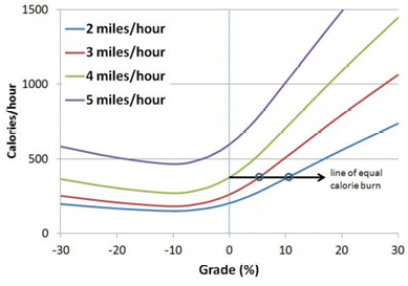
Terrain Dictates How Many Calories You Burn
Flat walking burns calories. Hiking burns 20–40% more due to elevation gain, uneven ground, and resistance. Here’s how different terrains impact calorie burn per hour for a 75kg person:
| Terrain Type | Calories Burned (75kg) |
|---|---|
| Flat Trail | 300–375 cal |
| Moderate Hills | 450–525 cal |
| Steep Incline | 600–675 cal |
A 70kg person burns about 185 calories every 30 minutes hiking—more than brisk walking (140 cal) or treadmill incline walking (160–180 cal). Over a 2-hour hike, that’s 740+ calories, equal to two slices of pizza or a large burger.
7 Ways to Maximize Your Calorie Burn
- Add elevation: Every 100m of ascent increases effort significantly.
- Carry a backpack (5–10kg): Boosts calorie burn by 10–15%.
- Use hiking poles: Engages arms, shoulders, and core—up to 20% more energy used.
- Increase pace uphill: Push hard for 2 minutes, recover for 3 (interval style).
- Step on logs and boulders: Adds functional resistance.
- Hike in wind or heat: Environmental resistance increases workload.
- Wear a weighted vest (progressively): Adds load without sacrificing form.
“Carrying a backpack with day hike essentials adds extra weight, which helps you burn more calories and gain strength.” — Article 2
How Hiking Compares to Other Cardio Workouts

Calorie Burn and Joint Impact Compared
| Activity | Calories (60 min, 75kg) | Joint Impact | Sustainability |
|---|---|---|---|
| Hiking (moderate hills) | 450–525 | Low | High |
| Running (8 km/h) | 600–650 | High | Moderate |
| Brisk Walking | 317 | Very Low | High |
| Treadmill Incline (15%) | 400–500 | Medium | Moderate |
While running burns more calories per minute, hiking wins for long-term adherence. It’s easier on knees and hips, making it ideal for overweight individuals or those with joint concerns. Plus, outdoor hiking beats treadmill monotony—you’re more likely to stay consistent.
“Running burns more calories in less time. Walking places less stress on the body and is easier to recover from.” — Article 3
How Often to Hike for Belly Fat Loss
The Weekly Hiking Sweet Spot
For effective fat loss, aim for 150–300 minutes of moderate-intensity aerobic activity weekly, per U.S. health guidelines. That translates to:
- 3 x 60-minute hikes
- Or 5 x 30-minute hikes
But consistency and progression matter more than frequency. Here’s a scalable plan:
| Level | Weekly Plan | Expected Outcome |
|---|---|---|
| Beginner | 2 hikes (45–60 min, flat) | Build endurance, start fat loss |
| Intermediate | 3 hikes (60–90 min, hills) | Visible fat loss, better fitness |
| Advanced | 3–4 hikes + daily steps + strength | Maximize fat loss, preserve muscle |
“Aim for at least three hikes each week. Try to spend 30 to 60 minutes on each hike.” — Article 5
Even two to three hikes per week can yield results when combined with daily movement (8,000–12,000 steps).
The 70-20-10 Rule for Optimal Fat Burning

Balance Intensity for Sustainable Results
Overdoing intensity leads to burnout. Underdoing it stalls progress. The 70-20-10 rule optimizes fat loss:
| Intensity | % of Hikes | Heart Rate | Purpose |
|---|---|---|---|
| 70% Easy-Moderate | 60–70% max HR | Build endurance, train fat-burning | |
| 20% Moderate-Challenging | 70–80% max HR | Boost fitness, increase burn | |
| 10% High Intensity | >80% max HR | Trigger EPOC (afterburn effect) |
Most hikes should feel “comfortably hard”—you can talk, but not sing. Save steep climbs or fast intervals for one hike weekly to spike metabolism.
“This builds endurance and trains your body to burn fat efficiently.” — Article 4
Diet: The 80% of Belly Fat Loss You Can’t Ignore
You Can’t Out-Hike a Bad Diet
Hiking burns calories, but diet controls fat loss. If you consume more than you burn, belly fat stays—even with regular hikes. As one hiker put it: “You can’t out-hike your eating/drinking habits.” (Article 1)
A moderate calorie deficit (300–500 below maintenance) supports fat loss of 0.2–0.4 kg per week without muscle loss.
6 Nutrition Rules for Hiking-Driven Fat Loss
- Eat high protein (1.6–2.2g/kg body weight): Preserves muscle, keeps you full.
- Cut sugary drinks and alcohol: A single beer = 150 cal; soda = 200+ cal.
- Choose whole, unprocessed foods: Vegetables, lean meats, legumes, whole grains.
- Stop drinking milk daily: One user reported, “Definitely got rid of extra padding.” (rcbif, Article 1)
- Avoid post-hike junk food: Don’t undo 500-calorie hikes with a 600-calorie reward.
- Try 12-hour fasting (e.g., 7 PM–7 AM): Supports insulin sensitivity and fat oxidation.
“Another big thing was to reduce alcohol consumption. It makes everything harder when it comes to fitness.” — GEM592 (Article 1)
Mental Health: The Hidden Belly Fat Fighter
Lower Cortisol, Less Abdominal Fat
Stress = belly fat. High cortisol levels promote visceral fat storage. Hiking in nature reduces stress hormones, improves mood, and enhances sleep—all critical for fat loss.
- Reduces depression and anxiety via endorphin and serotonin release
- Improves sleep quality by syncing circadian rhythm
- Boosts motivation by framing fitness as adventure, not punishment
“It was helpful for me to frame other exercise and eating habits as working towards a goal of hiking longer/harder trails.” — Physical-Energy-6982 (Article 1)
When you enjoy your workouts, you’re more likely to stay consistent—the #1 predictor of long-term success.
Real Results: Hikers Who Lost 70–230 lbs
- 230 lbs lost: From 440 lbs to 210 lbs through hiking, diet changes, and eliminating screen-based eating.
- 80 lbs lost: Progressed from flat trails to hiking in the Grand Tetons.
- 70 lbs lost: Over 1.5 years via hiking, mountain biking, and cutting alcohol.
“I had to figure out the right diet, keep track, break back habits… and be healthier in general to finally lose weight.” — jazzynoise (Article 1)
These weren’t elite athletes. They were regular people who stuck with it because hiking felt like freedom, not punishment.
Maximize Belly Fat Loss: 4 Pro Strategies
1. Pick High-Calorie Trails
Choose trails with steep elevation and rugged terrain:
- Jebel Jais Summit Trail: 600–800 cal/hr
- Stairway to Heaven: 700–900 cal/hr
- Wadi Bih: 500–650 cal/hr
Use apps like AllTrails or Strava to find challenging local routes.
2. Increase Intensity Smartly
- Interval hikes: 2 min fast uphill, 3 min recovery
- Use poles: Engage upper body, boost burn
- Step on logs and boulders: Add resistance
3. Carry Weight Safely
- Backpack with 5–10kg (water, gear)
- Weighted vest (5–10kg): Progress slowly
“Carrying a 5–10kg backpack increases calorie burn by 10–15%.” — Article 4
4. Track Beyond the Scale
- Waist circumference: Measure monthly
- Clothing fit: Do jeans feel looser?
- Hiking performance: Can you go farther or faster?
“Track your progress to stay motivated. Watch how your clothes fit and celebrate small wins.” — Article 5
Final Note
Yes, hiking reduces belly fat—but only as part of a bigger picture. It’s not a magic bullet, but a powerful, sustainable engine for fat loss. By burning 450–700+ calories per hour, improving metabolic health, and reducing stress, hiking creates the ideal conditions for shedding abdominal fat. But diet is the deciding factor. No amount of trail time can overcome a calorie surplus.
The real secret? Hiking is enjoyable, low-impact, and fits into life—not the other way around. That’s why people stick with it. And consistency beats intensity every time.
So lace up, head out, and hike your way to a leaner, healthier you. Just don’t forget to watch what you eat when you get back.