
You’re deep into a summer hike, sweat trickling down your back, legs burning with every step—then you notice it: red, itchy patches creeping up your lower legs. Or maybe your inner thighs are raw, stinging with each stride. You chalk it up to “heat rash hiking,” but what you’re experiencing might not be a true heat rash at all.
In reality, what many hikers call heat rash is often exercise-induced vasculitis—also known as hiker’s rash, golfer’s rash, or Disney rash. This condition isn’t caused by blocked sweat glands, but by blood pooling in the lower legs due to prolonged walking in hot weather. Meanwhile, prickly heat (miliaria) and chafing are two other common culprits that mimic heat rash but stem from different causes: sweat buildup and friction, respectively.
All three thrive in hot, humid conditions, worsened by cotton clothing, dehydration, and long hours on the trail. But because each has a unique cause, treating them requires different strategies. Confusing one for another can delay recovery and ruin your trek.
This guide breaks down how to identify, treat, and prevent these conditions so you can hike comfortably—even during sweltering multi-day adventures. You’ll learn the key differences between rashes, what actually triggers them, and exactly how to stop flare-ups before they start.
Spot Hiker’s Rash vs. Prickly Heat
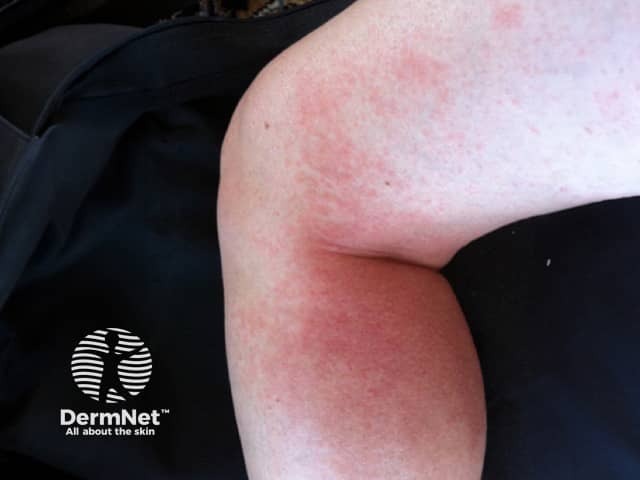
Lower Leg Redness? Think Vasculitis
If your rash appears on the lower legs, typically from ankle to knee but stopping just above your sock line, you’re likely dealing with exercise-induced vasculitis. This vascular reaction happens when prolonged walking in heat causes inflammation in small blood vessels beneath the skin.
The affected area often looks like red or purplish blotches, feels warm, bumpy, or scaly, and may burn or ache. It usually develops during or within hours after a long hike, peaks at 24–48 hours, and fades over 1–2 weeks—though discoloration can linger.
Crucially, the sock line acts as a natural barrier, leaving a thin band of unaffected skin. This is a telltale sign: compression from the sock helps prevent blood pooling, protecting that zone.
Risk increases if you’re over 50, female, or hiking in direct sun without leg protection. Unlike infections, there are no blisters, pus, or oozing—just discomfort and cosmetic concern.
Widespread Itchy Bumps? Likely Miliaria
True prickly heat (miliaria) occurs when sweat ducts become blocked, trapping sweat under the skin. It shows up as tiny red bumps on areas where sweat accumulates: chest, back, neck, underarms, or groin.
The sensation is sharp, prickling itching that worsens with heat and activity. Relief comes quickly once you cool down and dry off.
Unlike hiker’s rash, miliaria isn’t limited to the legs and doesn’t involve blood vessel inflammation. It’s more common in tight, non-breathable clothing or when wearing layers that trap moisture.
Raw, Stinging Skin? Friction Is the Cause
Chafing—often called “chub rub” or “monkey butt”—results from skin-on-skin or skin-on-clothing friction, especially in moist areas. It causes red, raw patches that sting with every movement.
Common zones include:
– Inner thighs
– Groin
– Under breasts
– Armpits
– Nipples
– Buttocks crease
Left untreated, chafing can progress to open sores or infection. It’s not a rash from heat alone, but heat and sweat dramatically increase its likelihood.
Prevent Hiker’s Rash with Smart Habits

Wear Compression Socks Daily
Putting on graduated compression socks (20–30 mmHg) before your hike is one of the most effective ways to prevent hiker’s rash. These socks support venous return, reducing blood pooling in the lower legs.
Choose knee-high styles made from moisture-wicking fabric like nylon or merino wool. Avoid tight bands that dig in—proper fit is key. Wear them during and after hiking, especially if you’ve had vasculitis before.
Even on short hikes, this simple step can reduce vascular stress and stop inflammation before it starts.
Hike During Cooler Hours
Schedule hikes for early morning or late afternoon to avoid peak heat and UV exposure. A 10°F drop in temperature significantly reduces your risk of both hiker’s rash and overheating.
Midday sun heats your skin directly, increasing blood flow to superficial vessels and worsening inflammation. Cooler hours also mean less sweating and better thermoregulation.
If you must hike midday, take frequent breaks in shade and splash cool water on your legs.
Elevate Legs After Hiking
After finishing your trek, lie down and raise your legs above heart level for 15–30 minutes. This helps drain pooled blood, reduces swelling, and speeds recovery.
Use a backpack, log, or sleeping pad as a leg rest. Combine elevation with a cool compress for faster relief.
Do this during long lunch breaks or back at camp. It’s especially helpful if you feel heaviness or warmth in your calves.
Limit Sun Exposure on Legs
UV radiation adds thermal load to your skin, increasing inflammation in already stressed blood vessels. If you wear shorts, apply broad-spectrum SPF 30+ sunscreen every 2 hours.
Better yet, cover up with:
– Lightweight hiking pants
– Convertible zip-offs
– Sun sleeves or gaiters
These provide physical protection and reduce the risk of flare-ups.
Stop Prickly Heat Fast
Choose Moisture-Wicking Layers
Ditch cotton—it traps sweat, creates friction, and breeds bacteria. Instead, wear technical fabrics like polyester, nylon, or merino wool that pull moisture away from your skin.
Layer smart:
– Base layer: Synthetic or wool
– Outer: Ventilated hiking shirt
– Avoid overdressing—overheating triggers miliaria
Look for clothing with mesh panels or underarm zips for extra airflow.
Apply Cooling Powder
Before hiking, dust menthol-based or cornstarch powders on sweat-prone areas:
– Chest
– Back
– Groin
– Under breasts
Products like Gold Bond, Anti Monkey Butt Powder, or Zeasorb absorb moisture and provide a cooling sensation.
Reapply during long hikes if needed. Avoid talcum powder if you have respiratory sensitivities.
Cool Down Immediately
At the first sign of prickly heat:
1. Stop hiking
2. Find shade
3. Remove layers
4. Spray or wipe skin with cool water
A portable spray bottle or cooling towel works wonders. Let skin dry completely before re-dressing.
This halts progression and prevents deeper inflammation.
Prevent Chafing on the Trail

Apply Anti-Chafing Balm
Before every hike, slather a silicone- or wax-based balm on high-friction zones:
– Inner thighs
– Groin
– Underarms
– Nipples
– Buttocks crease
Top picks:
– Body Glide
– Chamois Butt’r
– Neat 3B Action Cream
– Runners Lube
These create a long-lasting protective barrier—even when wet.
Reapply during long hikes, especially after swimming or heavy sweating.
Wear Seamless Underwear
Choose moisture-wicking, flat-seam, or seamless underwear made from merino wool or synthetic blends (e.g., CoolMax). Brands like Smartwool, ExOfficio, and Icebreaker offer excellent options.
Men should opt for liner shorts with built-in support to reduce movement. Women benefit from boyshorts or seamless bikinis that prevent inner thigh rub.
Avoid cotton—it stays wet and increases friction.
Use Properly Fitted Gear
An ill-fitting backpack causes chafing on shoulders, hips, and back. Ensure:
– Hip belt sits on pelvis
– Shoulder straps don’t bounce
– Load is balanced
– Chest strap stabilizes without restricting breath
Pad contact points with moleskin or anti-chafing tape if needed.
Treat Existing Rashes

Soothe Hiker’s Rash Naturally
Most cases resolve in 1–2 weeks with rest and cooling.
Apply Cold Compresses
Use a cool, damp cloth or ice pack (wrapped in fabric) for 10–12 minutes at a time, 2–3 times daily.
Use Topical Relief
- Aloe vera gel: Cools and soothes
- 1% hydrocortisone cream: Reduces inflammation (apply thinly)
- Calamine lotion: Eases itch
Take NSAIDs if Needed
Ibuprofen or naproxen can relieve pain and swelling. Use as directed.
Heal Chafed Skin Quickly
Clean and Dry the Area
Rinse with plain water, pat dry—avoid alcohol or fragranced wipes.
Apply Healing Ointments
Use thick barrier creams:
– Zinc oxide (Desitin)
– Aquaphor
– Vaseline
For inflamed skin, try Aveeno Oatmeal Hydrocortisone Cream.
Cover if Necessary
Protect severe chafing with non-stick gauze or Tegaderm. Change daily.
Clear Up Prickly Heat
- Stop hiking until symptoms subside
- Wear loose cotton or linen clothes temporarily
- Apply menthol lotion or powder for cooling relief
Avoid heavy creams that clog pores.
Build a Smart Prevention Kit
Every hiker should carry these 9 essentials:
- Compression socks – Prevent blood pooling
- Body Glide or Chamois Butt’r – Stop chafing
- Merino wool underwear – Wicks moisture
- 1% hydrocortisone cream – Treat itch and inflammation
- Aloe vera gel – Soothe irritated skin
- Cooling towel or spray bottle – Lower skin temp fast
- Antiperspirant (night use) – Reduce sweating
- Cornstarch or Anti Monkey Butt Powder – Absorb moisture
- Spare dry liner shorts – Change during long breaks
Store in a small zip bag for easy access.
Know When to See a Doctor
Most rashes resolve in 3–14 days. Seek medical care if:
– Rash lasts over 3 weeks
– Spreads or develops blisters, pus, or fever
– You have joint pain, fatigue, or swelling
These could signal cellulitis, DVT, or autoimmune vasculitis.
Frequent hiker’s rash may indicate venous insufficiency—talk to a doctor for evaluation.
Long-Term Protection Tips
- Build activity gradually: Start with 2–3 hour hikes, add time weekly
- Stay hydrated, limit salt: Supports circulation without swelling
- Sleep in compression socks if prone to hiker’s rash
- Shower after hiking: Rinse off sweat and residue, then moisturize
Final Note: “Heat rash hiking” isn’t one condition—it’s a mix of vascular, sweat, and friction issues that need different approaches. By identifying your rash type and acting fast, you can prevent discomfort and keep hiking all season long. Prevention beats treatment: dress right, protect your skin, and listen to your body.