
Lacing up your boots and stepping onto a forest trail does far more than offer scenic views—it transforms your health from the inside out. Hiking is one of the most effective full-body workouts you can do, combining cardiovascular conditioning, strength training, and mental restoration—all while immersed in nature. Unlike gym routines that often feel repetitive, hiking delivers dynamic challenges with every root, rock, and incline, engaging muscles and senses in ways flat surfaces never can.
The health benefits of hiking are backed by extensive research from the CDC, NIH, and leading sports medicine experts. It’s not just about burning calories or building endurance; hiking lowers blood pressure, reduces anxiety, sharpens focus, and even strengthens your immune system. With nearly one-third of American adults living with high blood pressure and sedentary lifestyles doubling the risk of heart disease, something as simple as a weekly hike can be a powerful preventive tool.
Beyond physical gains, hiking offers a rare digital detox—a chance to unplug, breathe deeply, and reconnect with yourself and others. Whether you’re walking a gentle riverside path or summiting a rugged peak, every step contributes to a healthier heart, sharper mind, and more resilient spirit. This guide explores how hiking improves your body, brain, and emotional well-being—backed by science, expert insights, and real-life results.
Strengthen Your Heart and Circulation
Hiking is a proven cardiovascular booster, improving heart function without the joint stress of running. As a moderate-intensity aerobic activity, it enhances VO2 max, the body’s ability to use oxygen during exercise. Higher VO2 max correlates with lower risk of heart disease and longer life expectancy.
Lower Risk of Heart Disease
According to the CDC, inactive individuals are twice as likely to develop coronary heart disease. In 2006 alone, heart disease caused 631,636 deaths in the U.S., with annual costs exceeding $316 billion. Regular hiking counters this trend by improving circulation, lowering resting heart rate, and slowing arterial plaque buildup.
Dr. Matthew Kampert, a sports medicine physician, confirms that consistent trail walking strengthens cardiac output and vascular health, reducing long-term risk of atherosclerosis.
Reduce High Blood Pressure Naturally
Hiking helps regulate blood pressure through multiple pathways:
– It dampens sympathetic nervous system activity (the stress response)
– Boosts parasympathetic tone, promoting relaxation
– Aids weight loss, which can reduce systolic pressure by 5–20 mmHg
Studies show hiking can lower systolic blood pressure by 4–10 mmHg—a drop comparable to taking medication. For best results, aim for 30-minute hikes, five days a week, on moderate terrain.
Improve Cholesterol and Blood Sugar
Hiking enhances metabolic health by:
– Lowering LDL (“bad”) cholesterol
– Raising HDL (“good”) cholesterol
– Improving insulin sensitivity, crucial for preventing type 2 diabetes
Just 150 minutes of weekly hiking—the CDC’s recommended minimum—can lead to measurable improvements in glucose tolerance and lipid profiles, especially for those with prediabetes.
Burn Calories and Manage Weight
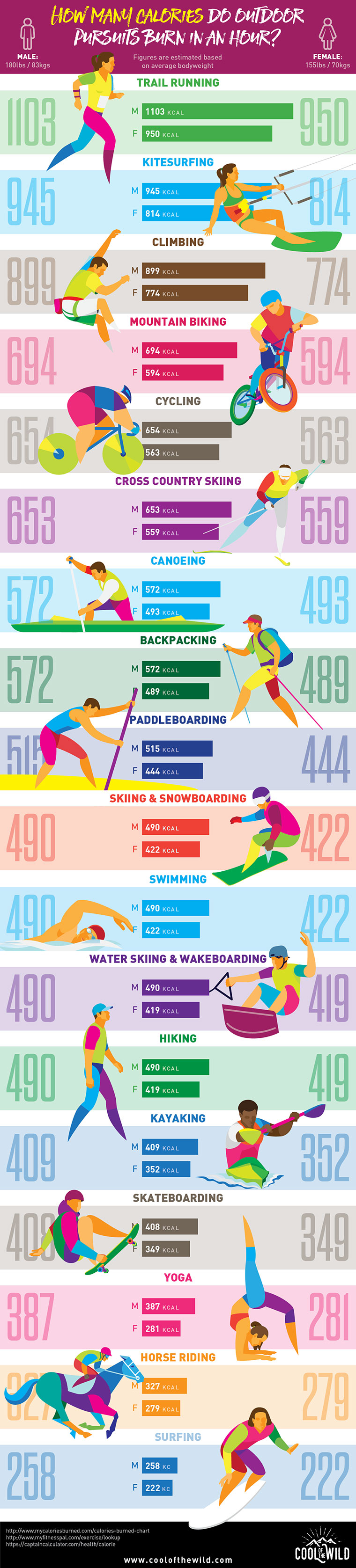
Hiking is a sustainable, enjoyable way to lose weight and maintain a healthy metabolism. Unlike restrictive diets, it builds fitness while creating a natural calorie deficit.
Calorie Burn That Beats Flat-Surface Walking
On average:
– Hikers burn 300–400 calories/hour
– A 100 kg (220 lb) person burns 440–550 calories/hour
But the real advantage? Uneven terrain increases energy use by 28% compared to flat walking. Every step on roots, rocks, or slopes forces micro-adjustments, engaging stabilizing muscles and burning more fuel.
Boost calorie burn by:
– Carrying a backpack
– Choosing steep or rocky trails
– Increasing pace or elevation gain
Sustainable Weight Loss Success Stories
One hiker on the Bibbulmun Track burned an average of 5,793 calories per day over five weeks, losing 15 kg (33 lbs). This kind of result isn’t just about diet—it’s the power of sustained, enjoyable movement.
Unlike crash diets, weight lost through hiking is more likely to stay off because it builds stamina, strength, and healthy habits. A daily 500-calorie deficit—achieved through diet and hiking—leads to a steady 1–2 pounds of fat loss per week.
Build Stronger Muscles and Bones

Hiking is a full-body resistance workout disguised as a walk in the woods.
Full-Body Muscle Activation
Every phase of hiking targets different muscles:
– Uphill climbs work quads, glutes, hamstrings, and calves
– Downhill descents create eccentric contractions, enhancing muscle tone
– Carrying a pack engages core, back, shoulders, and arms
– Trekking poles strengthen upper body and improve posture
Dr. Doug Diekema notes that adding poles or weight turns hiking into functional resistance training, building strength without a gym.
Prevent Osteoporosis and Bone Loss
After age 40, adults lose 1% of bone density per year. Hiking fights this decline by stimulating bone-forming cells through impact and load.
Evidence shows:
– Women with osteoporosis who walked 1 hour, 3x/week, gained 6% bone density in 9 months
– Hiking on uneven ground activates hip, knee, and ankle stabilizers more than flat walking
The NIH recommends hiking as a top exercise for preventing fractures and maintaining skeletal strength.
Protect Joints and Improve Mobility
Contrary to myth, hiking is joint-friendly, especially on soft natural surfaces.
Easier on Knees Than Running
Joint forces:
– Walking: 3x body weight
– Running: 8x body weight
– Hiking: Moderate load with trail cushioning
By choosing dirt trails or grass, hikers reduce impact while still getting aerobic benefits. Dr. Kampert recommends trekking poles with metal tips to offload knee stress during descents.
Reduce Arthritis Pain and Stiffness
Regular hiking helps:
– Decrease joint pain and morning stiffness
– Improve range of motion and function
– Slow cartilage degeneration
The key? Start slow, choose low-incline trails, and use poles for support. Over time, hiking builds strength around joints, reducing wear and tear.
Sharpen Balance and Prevent Falls
Hiking on natural terrain is one of the best ways to improve balance—especially for older adults.
Train Proprioception on the Trail
Proprioception—your body’s awareness of movement—is challenged by navigating rocks, roots, and slopes. Each micro-adjustment strengthens:
– Core stabilizers (abs, obliques, lower back)
– Ankle, knee, and hip muscles
– Neuromuscular reaction time
This leads to better agility and confidence on trails and in daily life.
Reduce Fall Risk with Trekking Poles
Using poles aids balance on tricky terrain like stream crossings. Kristen Bor emphasizes that poles help hikers feel secure and in control, reducing fear of falling.
Boost Mental Health and Emotional Well-Being

Hiking is a natural antidepressant, combining movement, nature, and mindfulness.
Lower Stress and Cortisol Levels
The Japanese practice of “forest bathing” (shinrin-yoku) proves that nature reduces:
– Cortisol (stress hormone)
– Mental rumination
– Sympathetic nervous system activity
A 90-minute nature walk reduces activity in the subgenual prefrontal cortex, a brain area linked to depression.
Fight Depression and Lift Mood
Hiking boosts mood through:
– Endorphin release
– Increased serotonin and norepinephrine sensitivity
– Exposure to sunlight, birdsong, and greenery
Participants report less anger, tension, and depression after outdoor hikes.
Sharpen Your Brain and Spark Creativity
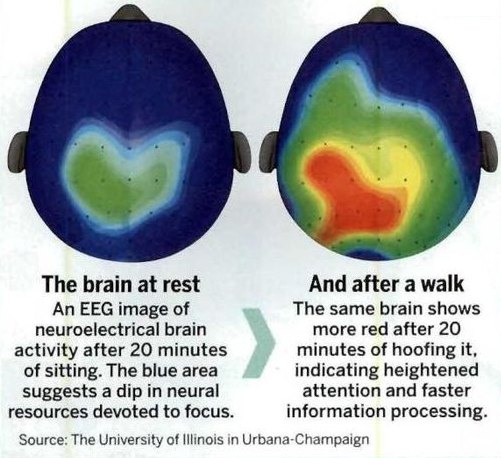
Hiking enhances cognitive function and problem-solving.
Improve Memory and Focus
Hiking increases blood flow to the brain, supporting neuron health. Studies show:
– Better memory retention in older adults
– Reduced mental fog
– Improved concentration
Kristen Bor notes hiking helps her return to work more focused.
Unlock Creative Solutions
A U.S. study found 4 days in nature without tech led to a 50% increase in creative problem-solving. Why?
– Reduced digital distractions
– Soft fascination with nature
– Mental restoration
Sleep Better After a Day on the Trail
Hiking sets the stage for deep sleep.
Regulate Circadian Rhythms
Morning sunlight:
– Synchronizes your internal clock
– Boosts melatonin at night
Shawn Stevenson calls natural light the #1 regulator of healthy sleep.
Cool-Down Triggers Sleepiness
Physical exertion raises body temperature; the post-hike drop signals it’s time to sleep—like a warm bath.
Strengthen Immune Function Naturally
Hiking supports immunity by:
– Lowering chronic inflammation
– Increasing vitamin D synthesis
– Exposing you to diverse environmental microbes
One hiker reversed vitamin D deficiency after a multi-week trek.
Build Stronger Relationships and Community
Hiking deepens bonds.
Deepen Personal Connections
Hiking with family or friends encourages presence, storytelling, and emotional intimacy.
Join a Hiking Community
Clubs and group outings provide motivation, support, and new friendships.
Kristen Bor says hiking gave her confidence and belonging, helping her lose 40 pounds.
Unplug and Practice Mindfulness
Hiking offers a rare digital detox.
Digital Detox for Mental Clarity
Leaving your phone behind reduces anxiety and mental clutter, fostering gratitude and peace.
Dr. Kampert says hiking cultivates mindful awareness—noticing the breeze, light, and sounds.
Gain Confidence and Personal Growth
Every summit builds resilience.
Overcome Challenges, Build Strength
A 2010 study found 5 minutes of outdoor exercise boosts confidence. Completing a tough hike reinforces perseverance and self-reliance.
Kristen Bor shares that hiking helped her transform her health and mindset.
Accessible to Everyone, Any Fitness Level
Hiking is inclusive.
Choose Your Challenge Level
- Beginners: Flat, short trails
- Intermediate: Moderate climbs
- Advanced: Multi-day backpacking
Dr. Baggish says nearly anyone can find a suitable hike.
Minimal Gear, Maximum Return
All you need:
– Sturdy shoes
– Moisture-wicking socks
– Water and snacks
– Weather-appropriate clothing
This makes hiking one of the most democratic forms of fitness.
Maximize Benefits with Smart Practices
Follow science-backed tips.
Follow Weekly Exercise Guidelines
- Minimum: 150 minutes/week moderate hiking
- For weight loss: 3 x 50-minute hikes
- Progressive overload: Increase distance, elevation, or pack weight
Prepare Properly
- Wear well-fitted footwear
- Use wool socks to prevent blisters
- Pre-hydrate and sip water regularly
- Eat 150–200 calories/hour
- Warm up and cool down
- Allow recovery time
- Vary your trails
Why Hiking Beats Indoor Workouts
Hiking offers unique advantages:
– Natural terrain challenges balance
– Fresh air and negative ions boost mood
– Sunlight regulates circadian rhythm
– Sensory engagement reduces fatigue
– Emotional connection to nature increases motivation
Dr. Baggish notes trail hiking engages lateral movement and core stability missing in gyms.
Hiking is more than exercise—it’s a holistic health practice. From stronger bones to clearer thinking, from deeper sleep to brighter moods, every step adds up. As Dr. Kampert says:
“Every hike provides a unique opportunity to experience the sky above you, the ground beneath you, and the peace within you.”
So tie your boots, pick a path, and let nature do the rest. The health benefits of hiking are waiting—one footstep at a time.