
Summer camping brings long days, starry nights, and endless adventure, but extreme heat can quickly turn your tent into an unbearable oven. When temperatures climb past 90°F (32°C) and humidity makes the air feel thick, poor cooling can wreck your sleep and drain your energy. The right preparation, however, can drop your tent’s interior temperature by 20°F or more.
Below, you’ll find field-tested methods for keeping a tent cool in summer, from choosing the right shelter to optimizing airflow and managing personal comfort. These strategies work whether you’re camping in humid lowlands, attending a music festival, or backpacking near alpine lakes.
Choose a Tent Built for Heat Management
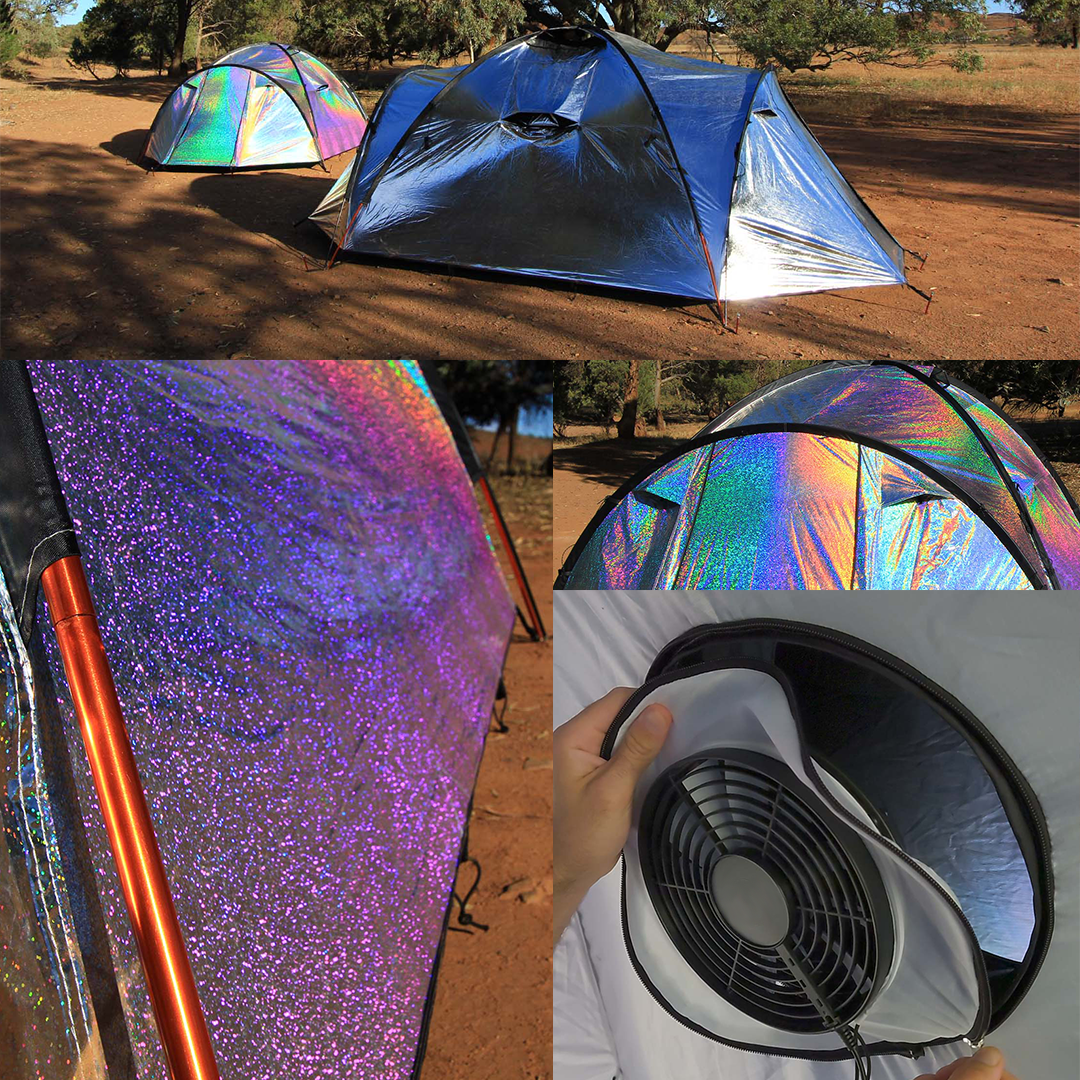
Not all tents handle summer heat equally. The right shelter can mean the difference between restful sleep and a sweaty, sleepless night.
Look for Reflective Exterior Materials
Tents such as the Outback Logic Siesta 4 and Shiftpod feature reflective coatings that bounce solar radiation away instead of absorbing it. This prevents the fabric from converting sunlight into trapped heat. Light-colored or metallic finishes offer similar benefits.
Prioritize Ventilation Design
Maximum airflow requires thoughtful construction. Choose tents with:
– Mesh panels on multiple sides
– Adjustable rainfly vents
– Roof or peak exhaust openings
– Cross-ventilation layouts
More mesh means better circulation, so verify that insect protection is built in.
Avoid Single-Wall and Dark-Colored Tents
Single-wall tents trap moisture and heat. Dark fabrics absorb up to 30% more solar energy than light ones. Opt for double-wall, light-colored designs for the coolest results.
Block Direct Sunlight Before It Reaches Your Tent

Preventing heat from hitting your tent in the first place is the single most effective cooling strategy.
Set Up a Pop-Up Canopy
Place a pop-up canopy directly over your tent. This secondary shade layer:
– Blocks 70–90% of direct sunlight
– Creates an air gap that dissipates heat
– Installs in minutes with no special tools
Anchor it securely; summer gusts can flip lightweight canopies in seconds.
Drape Reflective Tarps or Emergency Blankets
A reflective tarp or standard emergency blanket draped over your tent’s roof and sides reflects up to 90% of solar radiation. Secure every edge with paracord or rocks.
Pro Tip: Keep the reflective side facing outward and avoid letting the tarp touch the tent directly. Trapped air between layers can radiate heat inward and make temperatures worse.
Use Natural Tree Cover
Campsites under deciduous trees offer dappled shade during peak sun hours (12 PM – 4 PM). Choose spots where shadows remain consistent all day rather than shifting away by afternoon. Avoid open fields and south-facing slopes, which heat up fastest.
Position Your Tent for Minimal Sun Exposure
Where and how you pitch your tent affects interior temperature more than most campers realize.
Face the Narrow End East
Orient your tent so the narrow side points east. This minimizes exposure to morning sun, which begins heating surfaces early. A wide side facing east absorbs roughly twice as much solar energy, doubling heat buildup.
Map the Sun’s Path Before Pitching
Spend five minutes observing how sunlight moves across your campsite:
– Where does the sun rise and set?
– Which spots stay shaded at noon?
– Will afternoon shadows expose your tent to full sun?
Pick the coolest available location based on these observations.
Choose Elevated, Breezy Sites
Higher ground catches natural breezes. Avoid low-lying areas where hot air settles and pools. Near water, position your tent to catch evening lake or river winds while staying above flood zones.
Maximize Airflow Inside the Tent
Cool air circulation is just as critical as blocking heat. Stagnant air feels hotter, even at lower temperatures.
Open All Vents and Doors During Cooler Hours
During the day, open every vent, window, and door when outside air is cooler than inside. Hot air rises and escapes through roof vents, pulling cooler air in from below. Ensure all mesh is intact to keep insects out.
Create Cross-Ventilation
Position your tent so wind flows through opposing openings. When natural breeze is weak, place a battery-powered fan near an intake vent to actively pull air through. Even a small fan creates noticeable relief.
Adjust Vents Based on Temperature
When outside air is hotter than inside (typically midday), partially close intake vents to slow heat entry. Reopen them in the evening when temperatures drop. This cycle flushes hot air at dawn and dusk.
Arrive Early and Set Up Before Peak Heat
Timing your arrival gives you control over the best cooling opportunities.
Pitch Your Tent Before Noon
Arriving before 10 AM lets you claim the shadiest, breeziest spot and test your ventilation setup. Popular summer sites fill quickly, and early setup avoids assembling gear in punishing heat.
Clear the Ground First
Remove rocks, sticks, and dark debris from under and around your tent. These absorb heat and radiate it upward. A clean, light-colored footprint reflects more energy than a cluttered one.
Install Shade Structures Early
Set up your canopy or tarp before the sun peaks. Working outside once temperatures hit 90°F is exhausting and increases dehydration risk.
Keep Insects Out Without Sacrificing Airflow
More ventilation means more bug exposure, but you don’t have to seal yourself inside.
Treat Mesh with Permethrin
Apply permethrin to your tent’s exterior mesh and rainfly. This long-lasting insect repellent deters mosquitoes, ticks, and flies without reducing breathability.
Seal All Zippers Completely
Even a small gap invites pests. Double-zip designs let you isolate sections and maintain airflow while keeping sleeping areas closed.
Hang Mosquito Netting Inside
Lightweight mosquito netting hung inside the tent or under your canopy adds a bug barrier without blocking airflow. It’s especially helpful for sitting areas during dawn and dusk.
Stay Hydrated and Cool Your Body

Tent cooling works best when paired with personal heat management.
Drink Water Before You’re Thirsty
Dehydration worsens heat stress quickly. Carry more water than you think you need, aiming for at least half a gallon per person daily. Electrolyte mixes help during heavy activity.
Quick Check: Pale yellow urine means you’re hydrated. Dark urine means drink more immediately.
Use Cooling Towels and Wet Bandanas
Soak a cooling towel or bandana in cold water and drape it around your neck. Evaporation lowers body temperature fast. Re-wet as needed throughout the day.
Wear Light, Loose Clothing
Choose moisture-wicking, light-colored fabrics. Cotton traps sweat and slows evaporation. A wide-brimmed hat and UV-blocking shirt keep your body cooler during daytime activities.
Camp Near Water for Natural Cooling
Proximity to lakes, rivers, or streams provides built-in relief from summer heat.
Choose Water-Adjacent Campsites
Waterfront sites offer:
– Cooler ambient temperatures
– Evening breezes off the surface
– Midday swimming opportunities
Recommended destinations include Lake Lure Campground (NC), Catawba River Campground (NC), and Santee Cooper Resort (SC), all known for shaded, breezy waterfront settings.
Time Activities Around Peak Heat
Save hiking and setup for early morning or late afternoon. Use midday for swimming, reading in shade, or resting. Your body and tent will both stay cooler.
Festival Camping Demands Extra Cooling Effort
Festival grounds bring crowds, limited shade, and hard surfaces that radiate heat, so you need to layer multiple strategies.
Scout for Shaded Spots Early
Arrive early to claim a spot under trees or near structures that cast shade. Avoid asphalt and concrete, which radiate stored heat well into the night.
Combine Multiple Cooling Methods
Use every available tactic at once:
– Reflective tarp draped over tent
– Battery-powered fan running inside
– Frozen water bottles acting as ice packs
– Cooling towel around your neck
Layering basic gear delivers real results even in extreme conditions.
Sleep Elevated When Possible
Use a cot or elevated sleeping pad. Hot air rises, so sleeping even 6 inches off the ground reduces radiant heat from the soil.
Troubleshoot a Tent That Won’t Cool Down
Sometimes, despite your best efforts, the tent stays too warm. Here are proven fixes.
Add a Second Reflective Layer
If one tarp isn’t enough, layer another over it. Alternatively, place a space blanket inside the tent ceiling to reflect body heat back downward.
Relocate If Necessary
If your site heats up too fast, don’t hesitate to move, even midday. A shadier 20-minute walk is worth a cooler night’s sleep.
Use Frozen Water Bottles for Spot Cooling
Freeze water bottles before your trip and place them in the tent at night. They melt slowly, cooling the air and providing cold drinking water by morning.
Build DIY Active Ventilation
Use two battery fans: one at an intake vent and one at an exhaust. This creates active airflow that mimics a home HVAC system.
Know What Temperature Gains to Expect

Setting realistic expectations helps you plan more effectively.
Cooling Effect by Strategy
| Strategy | Temperature Reduction |
|---|---|
| Reflective tarp or blanket | 10–20°F |
| East-facing orientation | Up to 50% less heat gain |
| Pop-up canopy | 15–25°F cooler interior |
| Cross-ventilation | 5–10°F with airflow |
| Combined methods | Up to 30°F cooler than ambient |
Even in 95°F heat, layering these strategies can bring your tent down to a tolerable 70–75°F.
Maintain Comfort Through the Night
Cooling doesn’t stop at sunset. A few evening habits keep the tent comfortable until morning.
Open Everything at Dusk
As soon as outside air cools below interior temperature, open all vents and doors. Let the night air flush out residual heat.
Use a Breathable Ground Cloth
Avoid plastic-backed footprints that trap moisture and heat. A breathable, reflective groundsheet reflects radiant heat from the soil upward and away.
Wipe Down Interior Each Morning
Condensation builds overnight. Use a microfiber cloth to wipe walls and ceiling each morning. This reduces humidity and prevents mold growth.
Frequently Asked Questions About Keeping a Tent Cool in Summer
What is the fastest way to cool down a hot tent?
Open all vents and doors immediately to create cross-ventilation, drape a reflective emergency blanket over the roof, and place a battery-powered fan near an intake vent. These three steps together can drop interior temperatures by 10–15°F within 30 minutes.
Do reflective tarps actually work for tent cooling?
Yes. Reflective tarps and emergency blankets can reflect up to 90% of solar radiation and lower interior tent temperatures by 10–20°F. Keep the reflective side facing outward and maintain an air gap between the tarp and tent for best results.
Should I close my tent vents during the hottest part of the day?
Partially close intake vents when outside air is hotter than inside air (typically midday) to slow heat entry. Reopen them fully in the evening when outside temperatures drop below interior temperatures to flush out trapped heat.
How do I keep mosquitoes out while keeping my tent cool?
Treat mesh with permethrin, seal all zippers completely, and hang mosquito netting inside the tent. These methods block insects without reducing airflow. You can keep vents and doors open all night with proper protection in place.
What color tent is coolest in summer?
Light-colored tents stay coolest because they reflect more solar radiation. Dark tents absorb up to 30% more heat. White, beige, silver, or light gray fabrics are ideal for summer camping.
Can I use a fan inside my tent?
Yes. Battery-powered or rechargeable fans are excellent for tent cooling. Place one near an intake vent to pull air through the tent, creating active cross-ventilation that mimics an HVAC system.
Key Takeaways for Staying Cool While Camping This Summer
Keeping a tent cool in summer comes down to layering proven strategies. Start by choosing a light-colored, well-ventilated tent with reflective features. Block direct sunlight with a canopy, reflective tarp, or tree cover before it ever reaches your shelter. Orient your tent with the narrow side facing east and pitch it in the shadiest, breeziest elevated spot available.
Maximize airflow by opening vents strategically and using battery-powered fans for active circulation. Stay hydrated, wear light clothing, and use cooling towels to manage your personal temperature. Combine these methods, and you can realistically drop interior temperatures by 20–30°F, turning a sweltering night into comfortable, restful sleep.
Your next step: Before your next summer trip, invest in a reflective tarp and a quality battery fan. These two affordable items alone can transform your camping comfort, no matter how hot the forecast gets.