
You’re miles from home, the sun is setting behind the trees, and your stomach starts to rumble. After a long day of hiking, setting up camp, or exploring the wilderness, nothing beats a hot, satisfying meal under the stars. But cooking outdoors doesn’t have to mean bland beans from a can or trail mix for dinner. With a little planning, tent camping meal ideas can be delicious, simple, and stress-free, even without a full kitchen.
The key to great camp meals is balance: lightweight ingredients, minimal prep, and maximum flavor. Whether you car camp with a cooler or backpack with limited space, smart meal choices make all the difference. This guide delivers practical tent camping meal ideas for breakfast, lunch, dinner, and snacks, plus tips to keep cleanup easy and cooking fast. You’ll learn how to prep ahead, use basic gear efficiently, and enjoy meals that fuel adventure without sacrificing taste.
Pack Smart: Meal Prep Before You Go

Choose Lightweight, Non-Perishable Ingredients
The best tent camping meal ideas start at home. Pre-measuring ingredients saves time and reduces mess. Use resealable bags or plastic containers to organize:
- Oats, pancake mix, or breakfast hashes
- Pre-chopped vegetables like carrots, bell peppers, and onions
- Cooked rice, quinoa, or pasta
- Seasoning blends such as taco spice, curry powder, or garlic herb
Prep complete meals in a bag. Try a breakfast burrito mix with scrambled eggs, cheese, salsa, and tortillas, or a one-pot chili with beans, spices, and dehydrated meat. Just add water or heat when ready.
Use Vacuum Sealing for Freshness
Vacuum-sealed meals last longer and take up less space. Seal proteins like chicken, sausage, or ground beef before freezing and packing in a cooler. They thaw slowly and stay safe longer.
Pro tip: Label each bag with the meal name and cooking instructions for quick reference.
Organize by Meal Time
Keep breakfast, lunch, and dinner items in separate bins or bags. This prevents rummaging through everything at dusk. Include a small kit with spices, oil, and utensils so you never miss a critical ingredient.
Breakfast: Start Strong
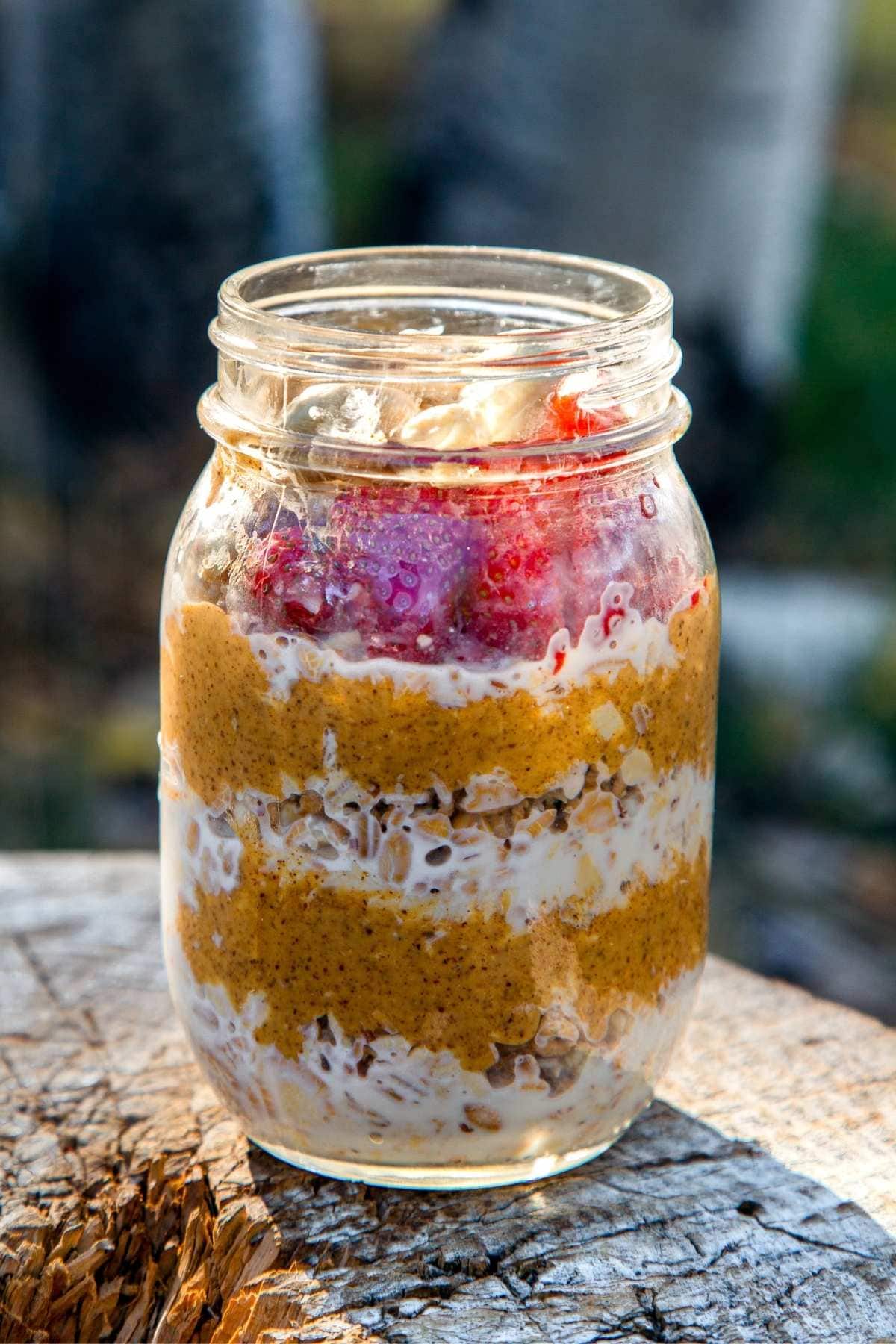
Overnight Oats in a Jar
No stove? No problem. Mix rolled oats with milk, chia seeds, honey, and dried fruit in a mason jar. Seal and chill overnight, or pack it frozen. By morning, it’s creamy and ready to eat.
Variations to try:
- Peanut butter banana with nut butter and banana chips
- Apple cinnamon with diced apples and ground cinnamon
- Berry blast with freeze-dried strawberries or blueberries
This approach requires no cooking, no cleanup, and packs in fiber and energy.
Campfire Breakfast Burritos
Cook scrambled eggs, hash browns, cheese, and bacon or sausage at home. Wrap in tortillas, then foil. Freeze flat for easy packing.
At camp, warm on a grill, in a skillet, or directly in hot coals for 3 to 5 minutes per side. Unwrap and enjoy.
Pro tip: Add hot sauce or salsa in a small leak-proof container for extra flavor.
Pancakes from Mix or DIY
Pancake mix is lightweight and only needs water. For a homemade version, combine flour, baking powder, sugar, and salt in a bag. At camp, mix with water, cook on a greased skillet, and serve with maple syrup or jam.
Upgrade idea: Add chocolate chips, blueberries, or banana slices to the batter.
Lunch: Quick & Filling
Wraps with Long-Lasting Fillings
Tortillas hold up better than bread. Fill them with:
- Peanut butter and banana
- Tuna from pouches with mayo
- Hummus, cucumber, and shredded carrots
- Turkey, cheese, and mustard
Roll tightly in foil or wax paper. Eat within a few hours to avoid sogginess.
No-Cook Box Lunches
Pack a lunch box with:
- Crackers or rice cakes
- Block cheese, which lasts longer than slices
- Jerky or canned meat
- Nuts, dried fruit, or trail mix
- Pickles or olives in small containers
Combine everything in a bowl or eat as finger food. Cleanup is simple: just toss the container.
Bonus: Add a small cold pack to keep cheese fresh for 1 to 2 days.
Instant Noodles with a Boost
Instant ramen is a camping staple, but you can upgrade it. Add:
- Freeze-dried vegetables
- Canned beans or tuna
- A pre-cooked boiled egg
- Hot sauce or soy sauce
Use less seasoning for better health. Boil water on a camp stove or over the fire.
Warning: Avoid glass containers. Use plastic or metal bowls instead.
Dinner: Hot, Hearty & Simple
One-Pot Pasta Meals
Cook pasta, sauce, and protein in one pot to save fuel and cleanup. Try:
- Spaghetti with marinara and pre-cooked meatballs
- Mac and cheese with added broccoli and ham
- Pesto pasta with sun-dried tomatoes and feta
Use dehydrated sauce packets or jarred sauce in resealable containers. Cook over medium heat to avoid burning.
Time saver: Pre-cook pasta slightly at home to reduce cooking time at camp.
Foil Packet Dinners
No pots? No problem. Layer ingredients in heavy-duty foil and cook over coals or a grill.
Beef and veggie pack:
- Pre-cooked ground beef
- Diced potatoes, carrots, onions
- Garlic, salt, and pepper
- A splash of Worcestershire sauce
Veggie quesadilla pack:
- Black beans, corn, and bell peppers
- Shredded cheese
- Tortilla pieces
- Salsa in a separate pouch
Seal tightly, poke a few steam holes, and cook 15 to 20 minutes, flipping once. The foil should be puffed and hot to touch, so use gloves.
Campfire Quesadillas
Heat a skillet or grill grate. Place a tortilla down, sprinkle with cheese, add beans or chicken, and top with another tortilla. Cook 2 to 3 minutes per side until golden.
Serve with sour cream or salsa on the side.
Pro tip: Use pre-shredded cheese in a ziplock. It melts fast and resists moisture.
Snacks & Sides: Fuel Between Meals
Trail Mix Variations
Make your own trail mix to avoid excess sugar. Combine:
- Almonds, cashews, or peanuts
- Pumpkin or sunflower seeds
- Dried cranberries, apricots, or raisins
- Dark chocolate chips or coconut flakes
Portion into small bags for easy access. Skip peanuts if allergies are a concern.
Fresh Fruit That Lasts
Apples, oranges, and bananas travel well. Grapes and pears can work if packed carefully. For longer trips, bring dried fruit instead.
Storage tip: Keep fruit in a mesh bag for airflow and easy access.
Energy Bars or Homemade Bites
Buy store-bought bars or make your own. No-bake energy bites are easy:
- Mix oats, peanut butter, honey, chia seeds, and mini chocolate chips
- Roll into balls
- Chill and pack in a container
They don’t melt easily and provide quick energy.
Cooking Gear That Makes It Easy

Portable Stove vs. Campfire
Stove advantages:
- Faster cooking
- Controlled heat
- Works in rain or wind with shelter
Campfire advantages:
- No fuel to carry
- Great for foil packets or skewers
- Adds smoky flavor
Best practice: Bring a small propane stove as backup, even if you plan to cook over fire.
Essential Cookware
Pack only what you need:
- One medium pot with lid
- One non-stick skillet
- Collapsible bowl or two
- Spatula and long-handled spoon
- Biodegradable soap and sponge
Use mugs for drinking and measuring.
Pro tip: Line pots with foil for zero cleanup.
Keep Food Safe in the Wild
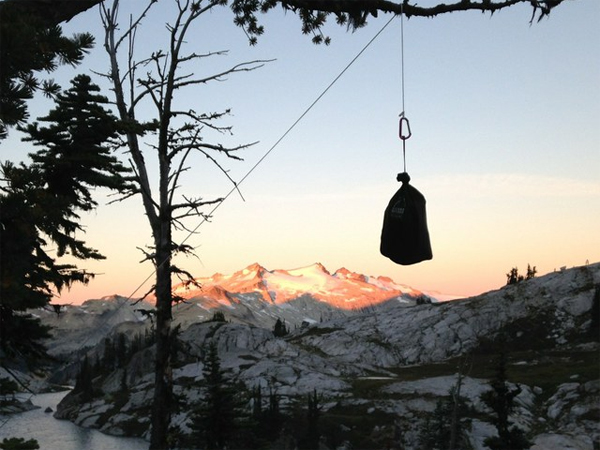
Store Food Away from Tents
Use a bear-proof container or hang food in a bear bag at least 200 feet from your tent. This protects you and wildlife. Hang all food, trash, toiletries, and scented items, including toothpaste.
Coolers: Maximize Cold Life
- Pre-chill the cooler and food before packing
- Use block ice or frozen water bottles, which last longer than cubed ice
- Keep the cooler closed and in the shade
- Organize so you don’t need to dig
Rule of thumb: A well-packed cooler stays cold 2 to 3 days.
Clean Up Fast
Wash dishes within 30 minutes of eating to avoid attracting bugs. Use hot water and a small amount of biodegradable soap at least 200 feet from water sources. For messy meals, use disposable plates or foil as a no-wash option.
Vegetarian & Special Diet Options
Plant-Powered Meals
Vegetarian tent camping meal ideas can be hearty and satisfying:
- Lentil soup, dehydrated or canned
- Chickpea curry with rice
- Grilled veggie and hummus wraps
- Tofu scramble with potatoes
Bring canned beans or dehydrated lentils. They’re lightweight and protein-rich.
Gluten-Free Choices
- Corn tortillas instead of flour
- Rice or quinoa instead of pasta
- Gluten-free oats or pancake mix
- Check labels on sauces and seasonings
Warning: Avoid cross-contamination by using separate cooking tools if needed.
High-Protein for Hikers
Boost energy with:
- Beef, turkey, or plant-based jerky
- Canned tuna or salmon
- Pre-peeled hard-boiled eggs
- Protein bars or powder added to oatmeal
Cleanup & Leave No Trace
Minimize Waste
Bring reusable containers, utensils, and cloth napkins. Avoid single-use plastics when possible. Pack out all trash, including food scraps, since they don’t decompose fast and attract animals.
Wash Dishes Properly
- Scrape food into a trash bag
- Boil water for washing
- Use a small amount of soap
- Scatter rinse water 200+ feet from water sources
Alternative: Wipe greasy pans with a paper towel and pack it out.
Final Campsite Check
Before leaving, do a sweep:
- Pick up all trash
- Knock down the fire completely
- Restore the natural appearance by moving rocks back and filling holes
Leave the site better than you found it.
Frequently Asked Questions About Tent Camping Meals
What are the easiest meals to make while tent camping?
Overnight oats, foil packet dinners, and no-cook wraps are among the easiest. They require minimal gear, short prep time, and little to no heat, making them perfect for beginners.
How do I keep food cold without a fancy cooler?
Pre-freeze meals and use frozen water bottles as ice packs. Block ice lasts longer than cubed ice. Keep the cooler in the shade and avoid opening it frequently.
Can I meal prep camping food ahead of time?
Yes. Pre-chop vegetables, vacuum-seal proteins, and assemble meals in labeled bags at home. You can even freeze entire meals like burritos or chili to thaw and reheat at camp.
What are good vegetarian options for camping?
Lentil soup, chickpea curry, hummus wraps, and tofu scrambles all work well. Canned beans and dehydrated lentils are lightweight and shelf-stable.
How far should I store food from my tent?
At least 200 feet. Use a bear-proof container or hang a bear bag to keep food, trash, and scented items away from your sleeping area.
How do I clean dishes without harming the environment?
Use biodegradable soap and hot water at least 200 feet from lakes or streams. Strain food scraps into a trash bag and scatter rinse water broadly to filter through soil.
Key Takeaways for Planning Tent Camping Meals
Great tent camping meal ideas focus on smart planning, simple ingredients, and easy cooking methods. Start with make-ahead prep like overnight oats or foil packets, pack gear that serves multiple purposes, and follow Leave No Trace principles to protect the wilderness. Whether you feed a family or backpack solo, these strategies ensure every meal is delicious, safe, and low-effort. Your next step: pick three recipes from this guide, build a shopping list, and prep your ingredients this weekend. Then hit the trail and enjoy a hot meal under the stars.