
Your Black Diamond trekking poles might feel loose or slip during a steep descent if the Flick Lock Pro mechanism is not engaged correctly. Many hikers struggle with this specific issue because they miss the subtle tension adjustments required for a perfect seal.
This guide explains exactly how to lock Black Diamond trekking poles using the Flick Lock Pro system found on models like the Trail Pro Shock. You will learn to adjust tension, troubleshoot slippage, and use the Smash Lock method to keep your gear secure on every hike.
How the Flick Lock Pro Mechanism Secures Your Poles
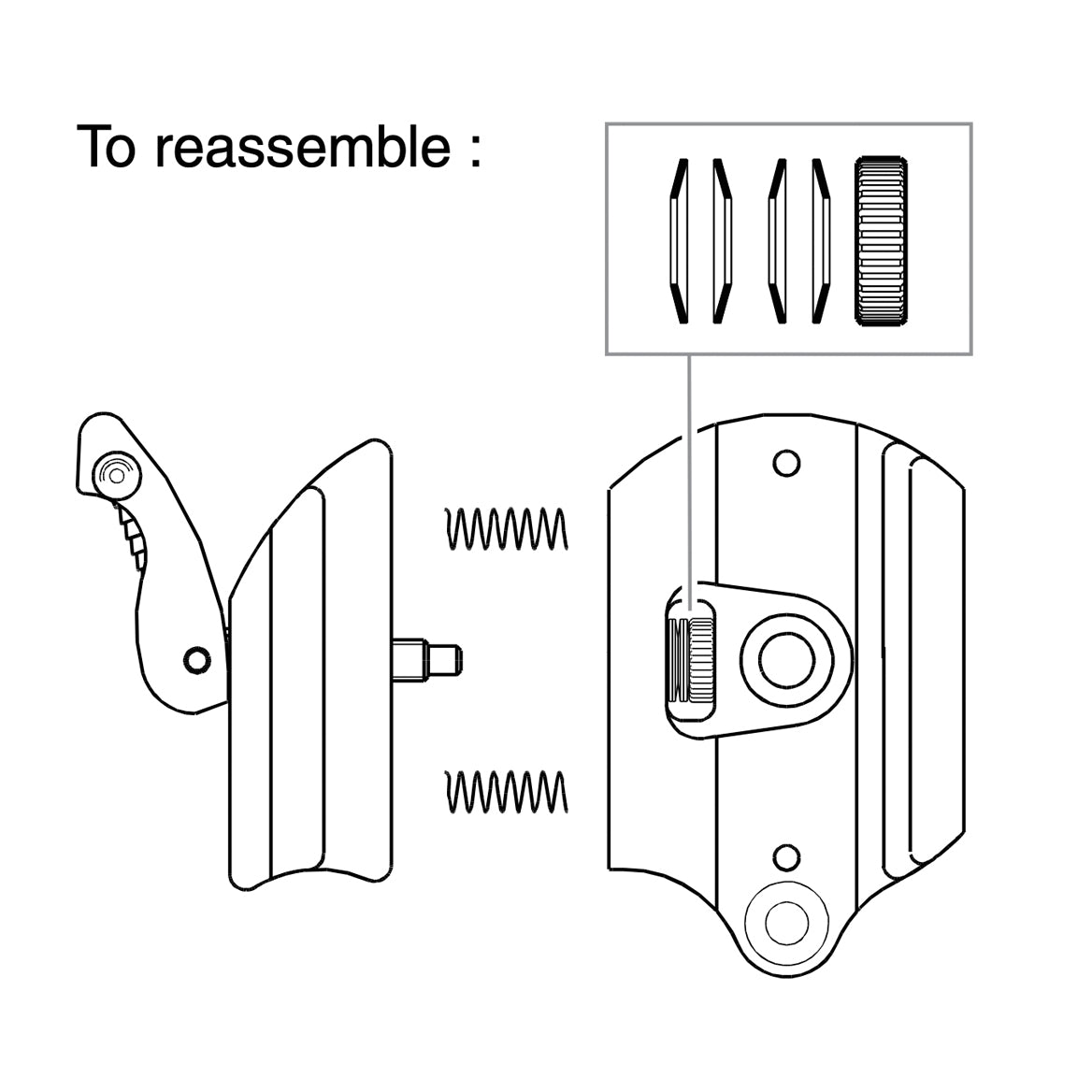
The Flick Lock Pro system uses a forged aluminum lever to clamp the pole sections together tightly. Unlike twist locks that rely on friction from rotating parts, this lever pulls a cam mechanism to grip the shaft instantly.
When you flip the lever down, it creates a mechanical bind that holds the pole at your desired length. This design offers superior durability and requires less force to operate than older locking styles.
Flip the Lever to Release or Engage
You must move the lever fully to change the state of the lock. The system relies on the full range of motion to function properly.
- Flip the lever upward completely to release the clamp for adjustments.
- Push the lever down firmly until it lies flat against the pole shaft.
- Ensure the lever stops only when it is parallel to the pole body.
If the lever does not sit flush against the shaft, the lock is not fully engaged and will likely slip under weight.
Listen for the Internal Click
Proper extension requires the inner shaft to seat correctly before you lock it. You need to pull the lower section out until the internal mechanism engages.
- Extend the pole until you hear a faint click or feel a snap.
- Verify the shaft is straight and fully extended before closing the lever.
- Close the lever immediately after hearing the click to secure the length.
Skipping this step can result in the pole collapsing unexpectedly when you lean on it during a hike.
Adjust Flick Lock Tension to Stop Slippage
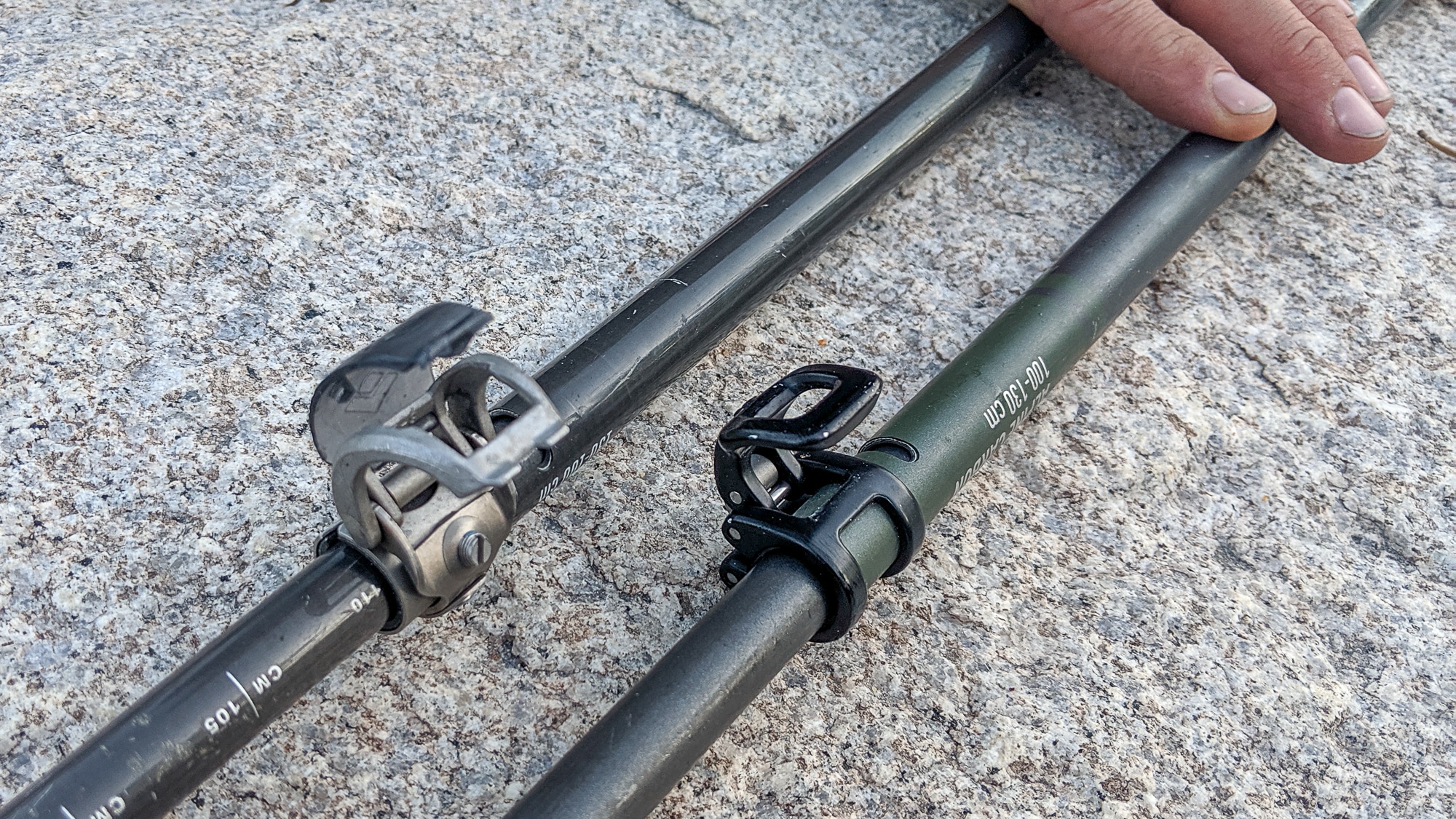
Factory settings work for most conditions, but dirt and wear can loosen the grip over time. You can easily retighten the mechanism to ensure it holds firm against your body weight.
Test Lock Strength Before Hiking
Always verify your tension settings before hitting the trail to avoid mid-hike failures. A quick test saves you from potential injury or embarrassment on the path.
- Extend the pole to your standard hiking height.
- Close the Flick Lock lever completely.
- Try to twist or push the sections together with your hands.
If the shaft moves or slides, the tension is too low and requires immediate adjustment.
Tighten the Screw with a Hex Wrench
You need a simple tool to increase the clamping force of the lock. Black Diamond includes a hex wrench with your poles, though a Phillips screwdriver also works.
- Open the Flick Lock lever to the upright position.
- Locate the adjustment screw on the side of the aluminum housing.
- Turn the screw clockwise in quarter-turn increments.
- Close the lever and test the grip again.
Expert Note: Never adjust the screw while the lever is closed. Doing so can strip the threads or damage the internal cam mechanism.
Prevent Pole Slippage on Rugged Terrain
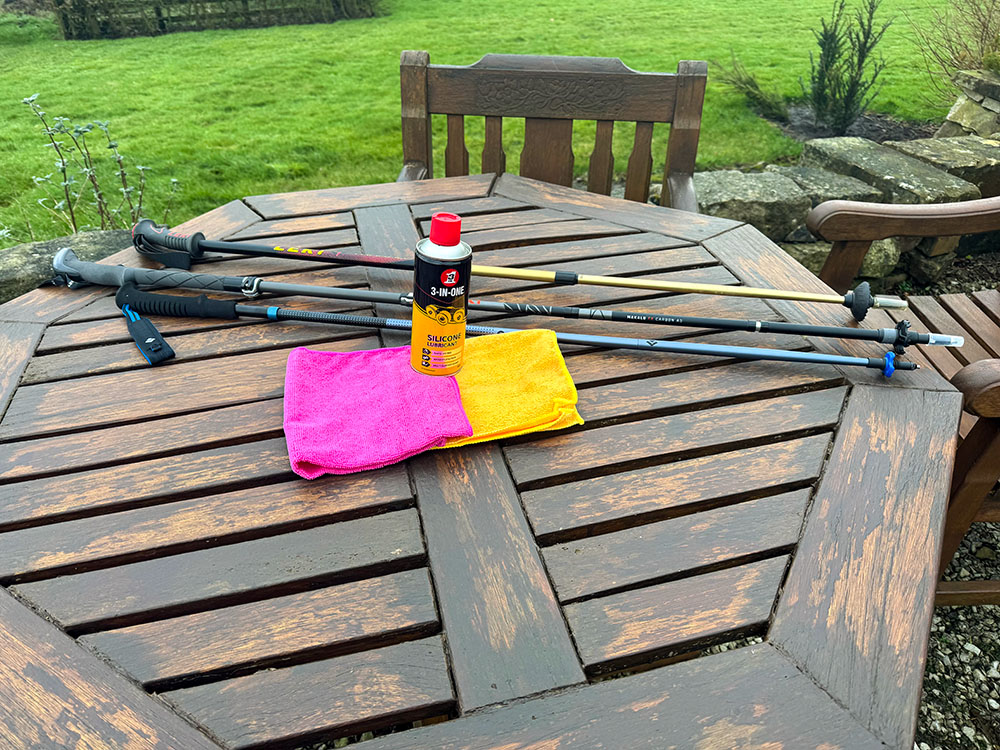
Even a perfectly tuned lock can fail if debris interferes with the connection point. Dirt, sand, and mud are the primary enemies of a secure lock.
Clean the Shaft Before Locking
Grit on the pole shaft acts like ball bearings, reducing friction and causing the pole to slide. You must ensure the contact surface is clean before every adjustment.
- Wipe the upper shaft with a dry cloth to remove dust.
- Use a damp rag to clear mud or salt after wet hikes.
- Inspect the area where the clamp sits for embedded sand.
A clean shaft allows the aluminum clamp to bite directly into the metal for maximum holding power.
Avoid Weight During Adjustment
Applying pressure before the lever is fully closed can deform the shaft or damage the clamp. This is a common mistake that leads to permanent pole damage.
- Keep your full weight off the pole while flipping the lever.
- Ensure the lever is flat against the shaft before leaning on it.
- Do not force the pole into the ground if the lock feels loose.
Forcing a partially locked pole can bend the internal shaft, which often requires replacing the entire section.
Collapse Poles Using the Smash Lock Method
Black Diamond designs these poles with a Smash Lock feature for rapid collapse. This one-step method uses momentum rather than brute force to retract the shaft.
Execute the One-Step Collapse
You can collapse your poles quickly between steps without stopping your hiking rhythm. This technique protects the lock mechanism from impact damage.
- Flip the Flick Lock lever to the open position.
- Hold the upper grip and drive the pole tip down into the ground.
- Let the impact drive the lower section upward into the handle.
- Close the lever once the pole is fully collapsed.
This method prevents the sections from jamming and keeps the internal components aligned for the next use.
Avoid Twisting to Retract
Never twist the sections to collapse the pole, as this action misaligns the internal locking components. The Smash Lock system does not require rotation.
- Do not rotate the lower shaft to shorten the pole.
- Avoid yanking the sections apart by hand.
- Rely on the downward impact to retract the shaft smoothly.
Twisting can scratch the shaft surface, creating rough spots that prevent the lock from sealing tightly later.
Troubleshoot Common Flick Lock Problems
Issues with locking usually stem from simple causes like debris or minor misadjustments. You can fix most problems in the field with basic tools.
Fix a Lever That Won’t Close
If the lever stops before lying flat, something is blocking the mechanism or the tension is too high. You must identify the obstruction to restore function.
- Check for rocks or mud trapped inside the clamp housing.
- Inspect the shaft for deep scratches or dents.
- Loosen the tension screw slightly if the lever feels stiff.
Clearing the debris usually allows the lever to close fully and lock securely.
Resolve Persistent Shaft Slipping
If the pole collapses while you walk, the lock may need cleaning or retightening. Moisture and wax buildup can also reduce grip significantly.
- Re-tighten the adjustment screw in small increments.
- Clean the shaft with rubbing alcohol to remove oils.
- Dry the components thoroughly before re-engaging the lock.
Persistent slipping after these steps may indicate a worn clamp pad that needs replacement.
Set Correct Pole Length for Lock Stability
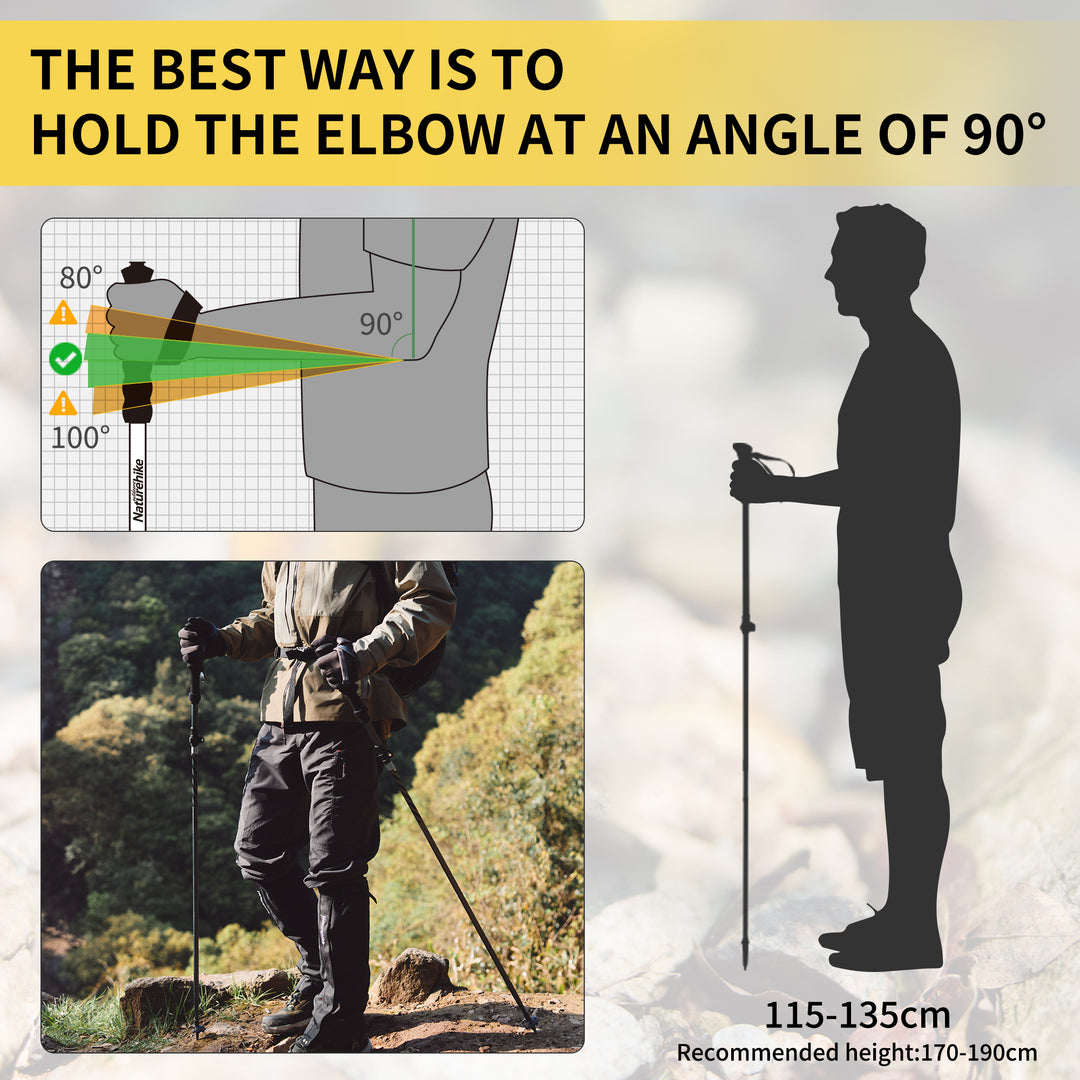
Setting your pole to the wrong length can put excessive stress on the locking mechanism. Proper sizing ensures the lock operates within its intended range.
Determine Your Ideal Hiking Height
Correct length reduces strain on the lock and improves your hiking efficiency. You want the pole to support you without over-extending the shaft.
- Stand on flat ground wearing your hiking boots.
- Grip the handle and bend your elbow to a 90-degree angle.
- Adjust the pole so the shaft is vertical and comfortable.
Marking this spot with tape helps you return to the correct length quickly after collapsing the pole.
Maintain Your Flick Lock System Long Term
Regular maintenance extends the life of your trekking poles and ensures reliable performance season after season. Simple care routines prevent major mechanical failures.
Clean After Every Outdoor Adventure
Remove all external contaminants to prevent them from working their way into the lock mechanism. This is crucial after hiking in mud, sand, or salt water.
- Wipe down shafts and locks with a damp cloth.
- Remove all visible dirt before storing the poles.
- Allow components to air dry completely before closing them up.
Avoid submerging the poles in water, as this can damage the internal shock absorption system.
Inspect Components Monthly
Check your gear regularly for signs of wear that could lead to failure. Early detection saves you from being stranded with broken equipment.
- Look for thinning on the internal clamp pad.
- Check screws for looseness or corrosion.
- Test for wobble in the locked position.
Black Diamond offers replacement parts for locks and grips if you notice significant wear.
Replace Worn Flick Lock Components
Eventually, mechanical parts wear out despite careful maintenance. Knowing when to replace parts keeps your hiking experience safe and enjoyable.
Identify Signs of Lock Failure
You should replace the lock mechanism if it no longer holds tension or shows physical damage. Continuing to use failed locks is dangerous.
- The pole slips even after maximum tension adjustment.
- The aluminum housing shows cracks or deformation.
- The lever will not stay in the open or closed position.
Contact Black Diamond support for warranty service or replacement kits if you observe these issues.
Frequently Asked Questions About Locking Black Diamond Poles
Can I use oil or grease on the Flick Lock mechanism?
No, you should never use oil or grease on the locking mechanism. These lubricants attract dirt and dust, which creates a grinding paste that damages the shaft and reduces grip.
What tool do I need to adjust the Flick Lock tension?
You can use the small hex wrench included with your poles or a standard Phillips head screwdriver. Both tools fit the adjustment screw located on the side of the lock housing.
Why does my pole slip even when the lever is closed?
Slippage usually occurs because the tension screw is too loose or dirt is preventing a tight seal. Clean the shaft thoroughly and tighten the screw clockwise while the lever is open.
How do I know if my Flick Lock is damaged beyond repair?
If the lever cannot close flat against the shaft after cleaning and adjusting, or if the housing is cracked, the lock is likely damaged. Persistent slipping after all adjustments also indicates failure.
Is it normal for the lever to feel stiff when new?
Yes, new Flick Lock mechanisms often feel stiff out of the box. They will break in slightly with use, but they should still close fully without excessive force.
Key Takeaways for Locking Black Diamond Trekking Poles

Mastering how to lock Black Diamond trekking poles ensures your gear remains stable and safe on any terrain. Remember to always clean the shaft, listen for the internal click, and adjust the tension screw whenever slippage occurs.
Proper maintenance of the Flick Lock Pro system prevents accidents and extends the life of your investment. Take a moment to check your tension and clean your shafts before your next hike for a confident stride.